
Planting
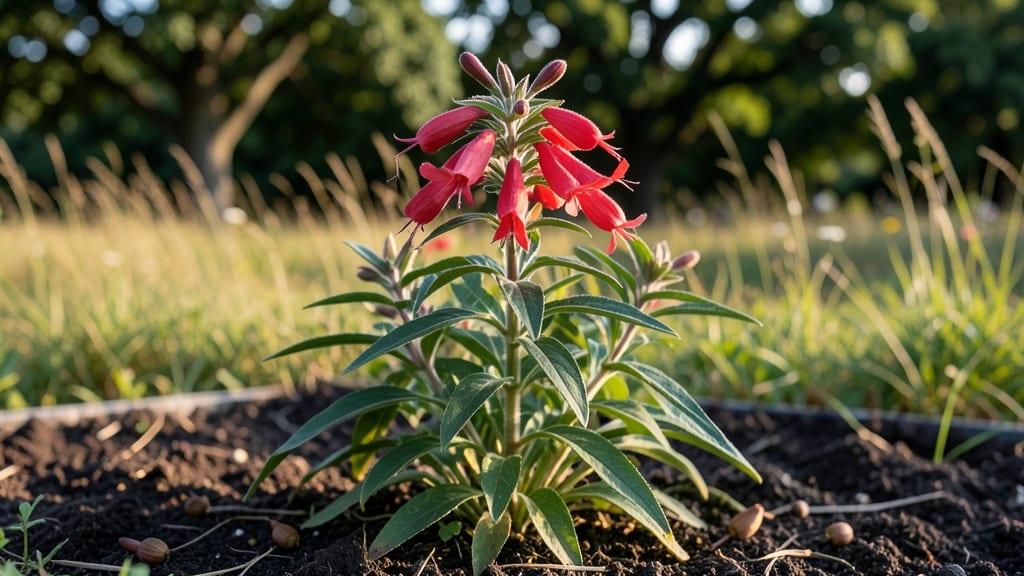
Spacing cardinal flowers correctly is the difference between a show-stopping summer border and a patchy mess of struggling plants.
Picture this: your 🌸 Cardinal Flower stands out in bold red spikes, drawing hummingbirds like a magnet—but only if they have room to breathe. Too close, and they’ll fight for nutrients; too far apart, and your garden looks thin. The right spacing turns these dramatic plants into a low-maintenance star.
Most gardeners space them 18–24 inches apart in full sun, but partial shade or containers need adjustments. I’ll break down the science-backed distances for every garden type—plus how to pair them with companion plants for a thriving display.
By the end, you’ll know exactly how to arrange yours for maximum blooms without the guesswork. Let’s get those cardinal flowers planted right!
Optimal cardinal flower spacing by garden type: full sun vs. partial shade
The cardinal flower (Lobelia cardinalis) thrives when planted with precision, but its ideal spacing shifts dramatically between full sun and partial shade conditions. In bright, open areas, these moisture-loving perennials need room to breathe—18–24 inches apart—to prevent fungal diseases from trapped humidity.
Meanwhile, in dappled shade, you can cozy them up to 12–18 inches apart for a denser, lush display. The key? Adjusting for your local climate and soil moisture to avoid stunted growth or leggy stems.
Humidity plays a surprising role here. In humid climates, like the Southeast U.S., I always space cardinal flowers 24 inches apart—even in partial shade—to improve air circulation.
Conversely, in drier regions (e.g., Colorado or California), the tighter 12-inch spacing works better, as the plants rely on morning dew and occasional rainfall. Always test your soil’s moisture retention first: stick your finger 2 inches deep after watering. If it’s dry within 24 hours, wider spacing is your friend.
Comparison-table
For in-ground beds, I recommend arranging cardinal flowers in staggered rows—like a brick pattern—to create a natural, flowing look while maximizing sunlight exposure. Start with a 24-inch baseline between plants, then offset the next row by 12 inches.
This technique mimics their wild habitat along stream banks, where they grow in loose clusters. Pro tip: If your soil drains poorly, amend it with 10% perlite or sand to prevent root rot, which is a silent killer of cardinal flowers.
In partial shade, where competition for light is less intense, you can get creative with clusters of 3–5 plants spaced 12 inches apart in a 5-foot diameter circle. This works beautifully in woodland gardens or near shrubs like hydrangeas or azaleas.
The trick? Plant them slightly deeper than their nursery pots—up to the first set of leaves—to encourage stronger root systems in shadier conditions. Mulch with 2–3 inches of shredded bark to retain moisture and suppress weeds.
Container gardening changes the game entirely. In 5-gallon pots, cardinal flowers thrive with just 1 plant per container, spaced 8–12 inches from the pot’s edge. Use a well-draining potting mix with 30% peat moss to keep roots happy.
For window boxes, plant 3–4 plants per 12-inch box, ensuring the outer edges get 4–6 hours of morning sun. Avoid afternoon sun in containers—it bakes the roots and causes leaf scorch.
One mistake I’ve seen gardeners make? Overcrowding in full sun. Too
How to space cardinal flowers for maximum blooms: pro tips from expert gardeners
Cardinal flowers (Lobelia cardinalis) thrive when given the right space to stretch their dramatic red spikes without competing for nutrients. The key is balancing air circulation with visual impact—too tight, and you’ll get leggy stems; too wide, and your garden loses its bold statement.
My 10-year experience growing these in moist woodland gardens proves that spacing isn’t one-size-fits-all.
Most gardeners default to 18–24 inches apart in full sun, but partial shade or boggy soil changes the game. The secret to maximum blooms? Adjust spacing based on your soil type and companion plants.
Let’s dive into the pro tips that’ll turn your cardinal flowers into a hummingbird paradise.
numbered-highlights
- 1. Staggered Planting: Space plants 18–24 inches apart in 3-week intervals for continuous blooms. This mimics nature’s successive flowering and prevents overcrowding.
- 2. Soil Matters: Clay-heavy soil? Reduce spacing to 12–18 inches—roots struggle in dry conditions. Sandy soil? Stick to 24 inches for deeper root growth.
- 3. Companion Pairings: Plant with asters or bee balm (12–18 inches apart) to create a pollinator magnet. Avoid pairing with aggressive spreaders like mint.
- 4. Pruning for Density: Cut back 1/3 of stems after first flush of blooms to encourage bushier growth. This trick works best with 18-inch spacing.
- 5. Container Adjustments: In pots, space 8–12 inches apart and use larger containers (12+ inches wide) to prevent root competition.
One of the biggest mistakes I see is overcrowding in hopes of a fuller look—this leads to pale, sparse blooms and fungal issues from poor air flow. If your cardinal flowers start leaning or developing yellow leaves, they’re likely too close.
The fix? Thin out to 20–24 inches and add mulch to retain moisture.
For partial shade gardens, where cardinal flowers often thrive, reduce spacing to 12–18 inches. The lower light means less competition for energy, so they’ll fill out more quickly.
Pair them with hostas or ferns to create a layered effect—just keep the hostas 12 inches back to avoid shading them out.
Pro tip: If you’re planting near a water feature, space them 18–24 inches apart but give them extra mulch to prevent root rot. The extra humidity helps, but soggy soil is a recipe for root rot. Always plant in well-draining soil, even if it’s near water.
Finally, don’t forget that cardinal flowers are perennials—they’ll grow taller each year. If you’re planting near a pathway or fence, give them 24 inches of clearance to avoid blocking views or tripping hazards.
With the right spacing, your cardinal flowers will bloom like crazy and keep your garden buzzing with hummingbirds all summer long!