
Shrubs
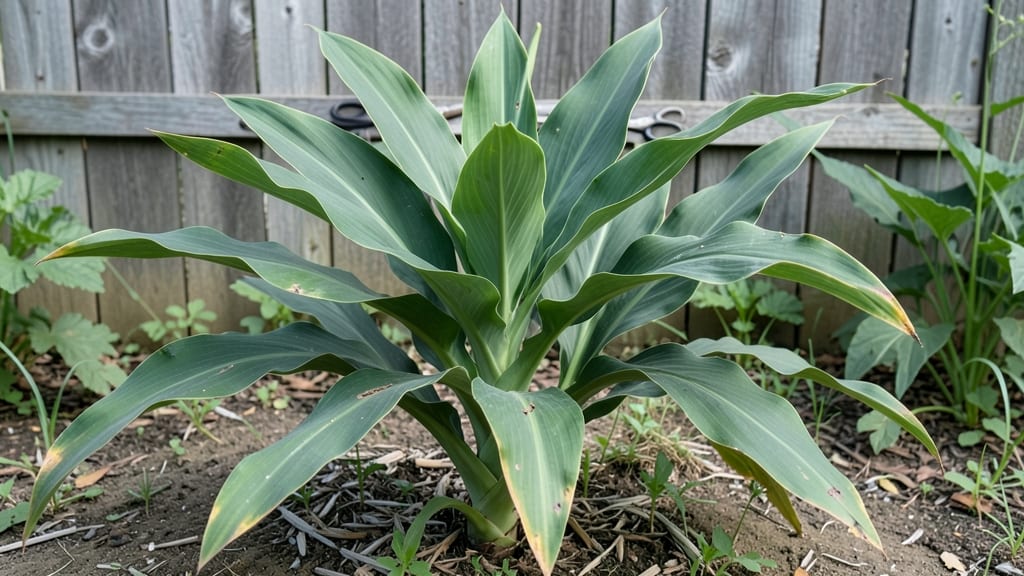
Canna plants not flowering?
That’s the moment you realize all that lush foliage might just be hiding a bigger problem—your plants are starving for the right conditions. 🌿 I’ve watched cannas go from vibrant green giants to stubborn leaf factories, and the fix always comes down to sunlight, food, and space. The good news?
You don’t need a degree in botany to turn those leaves into blooms.
Most gardeners overlook the basics: cannas need 6+ hours of direct sun daily, balanced fertilizer (not just nitrogen), and room to stretch their roots. I once had a canna patch that refused to flower until I thinned the crowding and switched to a 10-10-10 fertilizer in early summer.
The difference? Towering stalks with bright red blooms by August.
Here’s the game-changer: prune back dead leaves in early spring, feed when you see new shoots, and move plants to sunnier spots if they’re stretching. Within 4-6 weeks, you’ll spot those familiar flower buds pushing through.
The key is consistency—cannas don’t bloom on a whim, but they will respond to the right care.
Works for container cannas too—just ensure pots are 12+ inches deep and use well-draining soil. Whether you’re fixing an established patch or troubleshooting new plants, these steps cut through the guesswork. Let’s get those blooms back!
The Hidden Reasons Flowers Skip Canna Plants
Canna lilies are prized for their bold foliage and vibrant blooms, but when those flowers refuse to appear, it can be frustrating. The good news? Most of the time, it’s fixable.
Below, we break down the real culprits behind cannas not flowering—from environmental oversights to botanical quirks—and why they leave your plants looking lush but flowerless.
Canna lilies are sun-worshippers, but too little light triggers a survival response: they prioritize leaf growth over energy-intensive blooms. Here’s the science:
- Photosynthesis vs. flowering: Cannas need at least 6–8 hours of direct sunlight daily to produce enough glucose for flower buds. Without it, they channel energy into foliage instead.
- Light intensity matters: Partial shade (e.g., dappled sunlight under trees) can fool cannas into thinking it’s low-light season, delaying or preventing flowering.
- Latitudinal limits: In cooler climates (zones 7–9), cannas may not get enough summer sun to trigger blooming. Even in warmer zones, west-facing gardens often outperform east-facing ones due to stronger afternoon light.
Pro tip: 🌡️ If your cannas are in a container, move them to a sunnier spot before the growing season starts. A south- or west-facing location is ideal.
Cannas are tropical escapees, and they need temperature swings to bloom. Too much consistency—whether too hot or too mild—can stall flower production.
- Heat shock trigger: Cannas often bloom in response to daytime temps above 80°F (27°C) paired with cooler nights (60–70°F / 15–21°C). Without this contrast, they stay in a vegetative state.
- Overwintering missteps: If you dig up tubers in fall and store them in consistently warm conditions (e.g., a garage at 70°F / 21°C), they won’t enter dormancy properly, leading to weak or no flowers the next season.
- Early spring planting: Planting tubers too early (before soil temps hit 60°F / 15°C) slows growth. Cold soil stresses roots, diverting energy away from flower buds.
Pro tip: ✨ For container growers, use a heat mat in early spring to warm soil faster, or plant tubers in black pots (they absorb heat better than white).
Too much or too little of the wrong things can send cannas into flower-failure mode. Here’s how:
| Issue | Why It Stops Flowers | Fix It |
|---|---|---|
| Overwatering | Root rot or waterlogged soil strangles nutrient uptake, especially phosphorus (critical for blooms). | Let top 2–3 inches of soil dry between waterings. Use well-draining soil + raised beds if needed. |
| Underwatering | Stress from drought triggers survival mode, delaying reproduction until conditions improve. | Water deeply 1–2x weekly (more in containers). Mulch to retain moisture. |
| Nitrogen-heavy fertilizer | Excess nitrogen = leafy monsters. Cannas need a balanced NPK ratio (e.g., 10-10-10 or 5-10-10) with a phosphorus boost for flowers. | Switch to a phosphorus-rich fertilizer (like 5-10-5) when buds form. Avoid "green-up" fertilizers in summer. |
| Potassium deficiency | Potassium helps flower development. Yellowing leaf edges = a red flag. | Add wood ash or banana peel tea (high in potassium) or use a balanced fertilizer. |
Pro tip: 💡 For container cannas, flush soil with water every 4–6 weeks to prevent salt buildup from fertilizers, which can block nutrient absorption.
Canna tubers have a lifespan, and crowded roots can’t support blooms. Here’s the breakdown:
- Root-bound stress: Tubers left in the ground for 3+ years or overcrowded in containers compete for resources, prioritizing survival over flowers.
- Dormant tuber decline: Stored tubers lose vigor after 2–3 years. Older tubers may sprout leaves but lack the energy for blooms.
- Division timing: If you divide tubers too late in the season (after June), new growth won’t establish roots before winter, weakening next year’s flowers.
Pro tip: 🔪 Divide tubers every 2–3 years in early spring. Cut with a clean knife, ensuring each section has at least one "eye" (growth node) and a chunk of root.
Hidden threats like canna leaf rollers, aphids, or fungal infections can sap energy meant for flowers. Watch for:
- Leaf damage: Chewed leaves or holes reduce the plant’s ability to photosynthesize efficiently, leaving less energy for blooms.
- Root rot: Fungal infections (e.g., Phytophthora) block nutrient uptake, starving the plant.
- Viral infections: Symptoms like stunted growth or mosaic patterns on leaves signal viruses (e.g., canna mosaic virus), which suppress flowering.
Pro tip: 🛡️ Inspect leaves weekly for pests. Use neem oil for aphids or copper fungicide for fungal issues. Remove and destroy infected foliage immediately.
Revive Your Cannas: Quick Fixes
Now that you know why your cannas are playing hide-and-seek with their blooms, let’s roll up our sleeves and get them back on track! The good news? Most of these fixes are simple, cost-effective, and can make a world of difference in just a few weeks.
Below, we’ve mapped out practical solutions tailored to each common cause—plus pro tips to keep your cannas thriving long-term.
If your cannas are basking in partial shade but dreaming of full sun, it’s time to give them a brighter stage.
How to Fix It:
- 🔥 Relocate your cannas to a spot that gets 6+ hours of direct sunlight daily. Morning sun is ideal—it’s gentler than harsh afternoon rays.
- 🍳 Use reflective surfaces (like white walls, mirrors, or even a light-colored garden bed) to bounce extra light onto shaded areas.
- 👨🍳 For container growers: Move pots to sunnier spots or place them on a south-facing patio or elevated stand for better light exposure.
Prevention Tips: ✨ 💡 Choose the right spot from Day 1—cannas are sun-worshippers! Avoid planting them under tall trees or structures that cast long shadows. ✨ 🌡️ Monitor leaf color: If leaves turn pale yellow or stretch toward the light (etiolation), they’re begging for more sun.
Cannas hate soggy feet! Too much water (or the wrong soil) can stunt growth and delay blooms.
How to Fix It:
- 🔪 Check your soil: Stick your finger 2–3 inches deep—if it’s damp, hold off on watering. Cannas prefer moist but well-drained soil.
- ⏰ Water deeply but less often: Aim for 1–1.5 inches of water per week (including rain). Let the top inch of soil dry out between waterings.
- 🥘 Improve drainage: Amend heavy clay soil with compost or perlite (mix in a 50/50 ratio). For containers, ensure pots have drainage holes and use a fast-draining potting mix.
Prevention Tips: 🔥 🌡️ Mulch like a pro: Apply 2–3 inches of organic mulch (straw, wood chips) around the base to retain moisture without suffocating roots. 🎯 💡 Avoid watering at night—wet foliage can invite fungal diseases, which stress plants and delay blooms.
Cannas are heavy feeders, and skipping nutrients is like skipping meals—eventually, they just won’t perform.
How to Fix It:
- 📊 Fertilize with a balanced formula: Use a 10-10-10 or 20-20-20 fertilizer (or a slow-release granular) every 4–6 weeks during the growing season (spring to fall).
- 🥗 Boost phosphorus for blooms: Switch to a high-phosphorus fertilizer (like 5-10-5 or 10-20-10) 4–6 weeks before you expect flowers.
- 🍎 Top-dress with compost: Spread a 1-inch layer of compost around the base in early spring to replenish nutrients naturally.
Prevention Tips: ✨ 💡 Don’t overdo nitrogen—too much = lush leaves, zero flowers. Stick to balanced or bloom-boosting formulas. ✨ 🌡️ Test your soil every 2–3 years to check pH and nutrient levels. Cannas thrive in slightly acidic to neutral soil (pH 6.0–7.0).
Cutting back cannas too early or too aggressively can shock them and delay flowering.
How to Fix It:
- 🔥 Wait until spring or early summer to prune—never cut back after the first frost or when new growth is still tender.
- 🍳 Trim strategically: Remove only dead or yellow leaves in early spring. Save heavy pruning for late winter (before new shoots emerge).
- 👨🍳 Deadhead spent blooms: Snip off faded flowers (but leave the lower leaves) to encourage more blooms and redirect energy.
Prevention Tips: 🔥 🌡️ Never prune cannas in fall—they need their foliage to store energy for next year’s growth. 🎯 💡 Mark your calendar: Prune in early March (or when you see new growth) for best results.
Cannas are tropical divas—they hate sudden temperature swings, drought stress, or transplant shock.
How to Fix It:
- 🔥 Harden off new transplants: If you’re moving cannas from pots to the ground (or vice versa), acclimate them gradually over 7–10 days by exposing them to outdoor conditions for increasing lengths of time.
- ⏰ Protect from late frosts: In cooler climates, cover cannas with frost cloth if night temps dip below 30°F (–1°C).
- 🥘 Mulch heavily in winter: Add 4–6 inches of straw or leaves over the crown to insulate roots and prevent freeze-thaw stress.
Prevention Tips: ✨ 💡 Avoid moving cannas mid-season—transplant shock can set back blooming for weeks. ✨ 🌡️ Group cannas with other heat-loving plants (like hibiscus or crocosmia) to create a microclimate that retains warmth.
Need a fast fix?
Try these no-fuss tweaks: - 💡 Shock them with sunlight: Move a struggling canna to the sunniest spot in your yard for 2–3 days—sometimes they just need a light wake-up call. - 🥗 Feed with Epsom salt: Mix 1 tablespoon of Epsom salt per gallon of water and water the soil to boost magnesium and sulfur (helps with flower production). - 🌱 Divide overcrowded clumps: If your canna’s roots are tangled, dig up, split, and replant in spring for a bloom boost (they flower better when not overcrowded).
Final Thought: Cannas are forgiving—most issues are reversible with a little TLC. Start with one or two fixes (like sunlight + fertilizer), monitor progress for 4–6 weeks, and adjust as needed. Before you know it, your garden will be bursting with fiery blooms! 🌺🔥
Frequently asked questions
Why are my cannas putting out leaves but no flowers?
Your cannas are likely prioritizing leaf growth over blooms due to insufficient sunlight (they need 6-8 hours daily) or an imbalance in nutrients. Too much nitrogen creates leafy monsters, while phosphorus deficiency starves flower buds. Check your fertilizer ratio—switch to a 10-20-10 formula when buds form.
Can I force cannas to bloom if they're not getting enough sun?
Yes! Move them to the sunniest spot in your garden immediately—even 2-3 extra hours of light can trigger blooming. For containers, place them on a south-facing patio or use reflective surfaces (like white walls) to bounce light. If relocating isn't possible, try a grow light for 4-6 hours daily during summer.
How often should I fertilize cannas for blooms?
Feed cannas every 4-6 weeks during the growing season (spring to fall) with a balanced fertilizer (10-10-10). For a bloom boost, switch to a high-phosphorus formula (5-10-5) when you see new shoots in early summer. Avoid "green-up" fertilizers—they prioritize leaves over flowers. Flush soil with water every 4-6 weeks to prevent salt buildup.
Will dividing my canna tubers help them flower better?
Overcrowded tubers compete for resources, starving flower buds. Divide clumps every 2-3 years in early spring, ensuring each section has 1+ growth nodes. Replant in well-draining soil with 2-3 inches of compost mixed in. Younger tubers (1-2 years old) bloom more vigorously than older ones.
What should I do if my cannas bloomed last year but not this year?
Last year's blooms suggest your cannas can flower—but this year's failure likely stems from stress factors. Check for root-bound tubers (dig up and divide if needed), poor drainage (amend soil with perlite), or pest damage (inspect leaves for aphids or fungal spots). A phosphorus-rich fertilizer applied in early summer often jumpstarts dormant blooms.