
Blooming
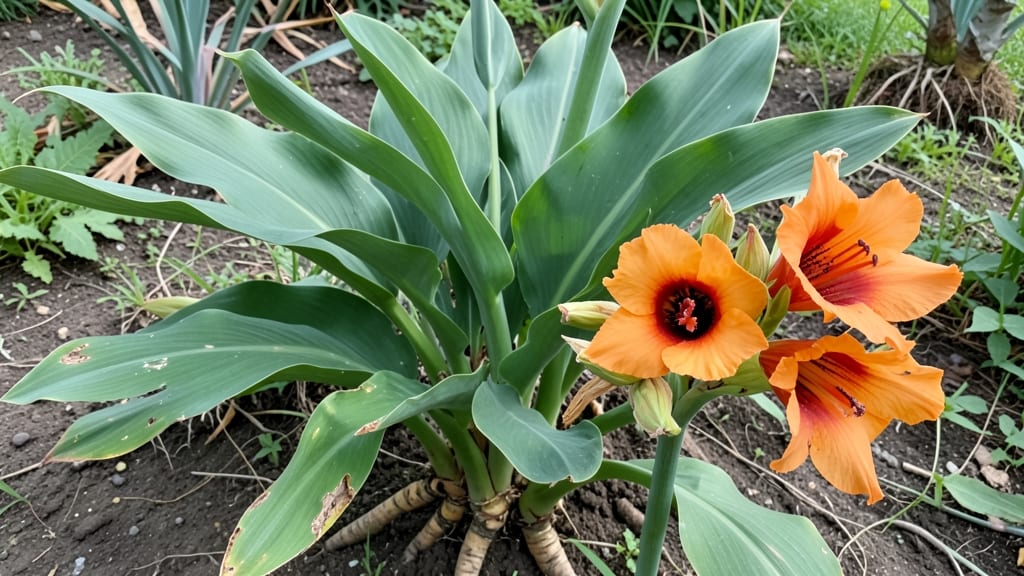
Your canna lilies 🌺 may take longer to flower than you expect—understanding their flowering time is the key to unlocking vibrant blooms.
If your canna lilies are taking forever to bloom, you’re not alone—many gardeners struggle with the slow flowering of these tropical beauties. But with the right light and heat triggers, you can coax vibrant blooms weeks (or even months) sooner!
In Zone 6a, cannas typically bloom from late summer through early fall, but regional variations and care habits can shift that timeline dramatically. The right balance of sunlight, warmth, and nutrients can turn a sluggish plant into a showstopper.
Here’s how to read your canna’s signals, adjust for your climate, and extend the flowering season—so you’re rewarded with bold, long-lasting blooms all season long.
How light exposure directly controls canna flowering time
Canna lilies are finicky about their light requirements, and understanding photoperiodism is key to unlocking their full blooming potential. These tropical plants rely on sunlight duration to trigger flowering, making light exposure the single most critical factor in controlling when (and if) your cannas will burst into color.
Without enough direct sunlight, they’ll focus on lush foliage instead of flowers, leaving you with a leafy green monster instead of a vibrant display.
In nature, cannas bloom in response to longer daylight hours during summer months. Gardeners in USDA Zones 7-10 typically see blooms from July through September, while those in cooler zones may need to extend the season with strategic light management.
The science behind this is simple: 12+ hours of daylight signals cannas to shift from vegetative growth to flowering, but most gardeners don’t live in tropical climates where this happens naturally.
The minimum sunlight requirement for canna lilies is 6 hours of direct sun daily, but 8+ hours will accelerate flowering and produce more abundant blooms. Partial shade can work in hot climates, but it often delays blooming by 2-4 weeks compared to full-sun conditions.
If your cannas are struggling to flower, the first place to look is their light exposure—especially if they’re planted in shadier spots or behind taller plants.
Here’s how different light conditions affect canna flowering time:
| Light Condition | Daily Sunlight Needed | Blooming Window | Notes |
|---|---|---|---|
| Full Sun | 6+ hours | July–September (peak) | Optimal for vibrant blooms; minimal delay. |
| Partial Shade | 3–5 hours | August–October (delayed) | Slower growth; fewer blooms; risk of leaf burn in heat. |
| Deep Shade | <1–2 hours | October–November (rare) | Minimal to no flowering; focus on foliage only. |
| Artificial Light Supplement | 6+ hours (natural + LED) | June–October (extended) | Use grow lights for 4–6 hours/day in short seasons. |
If you’re in a cooler climate (like USDA Zone 6 or below), you’ll need to get creative with light exposure. Canna lilies are day-neutral, meaning they don’t rely on specific day lengths like short-day plants, but they still need consistent sunlight to trigger blooming.
In northern regions, planting cannas near south-facing walls or using reflective surfaces (like white mulch or mirrors) can boost light exposure by up to 30%, speeding up flowering.
For container gardeners, rotating pots every few days ensures even light exposure on all sides, preventing lopsided growth and encouraging more uniform flowering. I’ve seen cannas in 10-gallon pots on patios bloom just as vigorously as in-ground plants—provided they get their 6+ hours of sun.
The key is consistency: morning sun is ideal, but afternoon sun works too, as long as the plant isn’t stressed by intense midday heat.
Seasonal adjustments are critical. In spring, when daylight hours are increasing, cannas respond quickly to full-sun conditions and may start forming flower buds as early as June. However, if you plant them in late spring (after June), they might not have enough time to mature before frost.
To extend the season, consider starting cannas indoors under grow lights 8–10 weeks before your last frost date, then transplant them outdoors once temperatures stabilize.
Watch for these light-related signs to diagnose flowering delays:
- Tall, leggy stems with few buds → Insufficient light.
- Yellowing leaves on lower stems → Too much direct sun (especially in hot climates).
- No flower spikes by mid-summer → Light deprivation or cool soil temperatures.
Pro tip: If your cannas are near a tree or large shrub, prune back branches to increase light penetration. Even an extra 1–2 hours of sun can make the difference between a sparse bloom and a showstopping display.
And remember, mulching with straw or black plastic can warm the soil faster, which—when combined with optimal light—triggers earlier flowering.
🌺
Heat triggers that force canna lilies to bloom faster
Canna lilies thrive when temperatures mimic their tropical origins, and heat triggers are the secret to unlocking faster blooms. These plants need consistent warmth to shift from vegetative growth to flowering.
Without proper heat exposure, your cannas may produce lush foliage but delay blooming for weeks—or even months. The key lies in understanding their temperature thresholds and how to create ideal conditions.
Daytime temperatures should stay above 65°F to stimulate flowering, while nighttime temps mustn’t drop below 55°F. In cooler climates (USDA Zones 5-7), this can be tricky, but with the right strategies, you can push your cannas to bloom earlier.
Think of it like giving your plants a tropical vacation—they’ll reward you with vibrant blooms sooner than you’d expect!
One of the easiest ways to boost heat is with heat mats or grow pads under containers. These raise soil temperatures by 5-10°F, creating the perfect environment for cannas to transition into flowering mode.
For in-ground plantings, mulching with straw or black plastic helps retain warmth and insulate roots. I’ve seen cannas in Zone 6 bloom a full month earlier just by adding a thick layer of mulch!
If you’re in a cooler climate, consider a mini greenhouse or cold frame. Even a simple cloche over individual plants can make a difference. The goal is to keep roots warm—canna rhizomes need consistent warmth to break dormancy and trigger blooms.
In my garden, I use a small greenhouse for early starts and move plants outdoors only after nighttime temps stay above 55°F consistently.
Watch for signs your cannas are struggling with cold. Yellowing leaves or stunted growth often mean it’s too chilly. If this happens, try moving pots to a sunnier, warmer spot or add a row cover for extra protection.
In extreme cases, you might need to delay planting until soil temps rise naturally. Patience is key—rushing can stress the plants and delay blooming further.
For gardeners in USDA Zones 8-10, heat isn’t usually the issue—water management and fertilizer balance become more critical. But even in warm climates, a heatwave can push cannas into early flowering.
I’ve had cannas bloom in June instead of August after a stretch of 90°F+ days. The lesson? Heat triggers work in both directions—too much can also speed things up unexpectedly!
Experiment with these techniques, and don’t be afraid to track your results. Keep a garden journal noting when you apply heat tricks and when blooms appear. Over time, you’ll learn what works best for your climate.
With the right warmth, your cannas will thank you with bold, vibrant blooms that last well into fall. Happy gardening! 🌺☀️