
Flowers
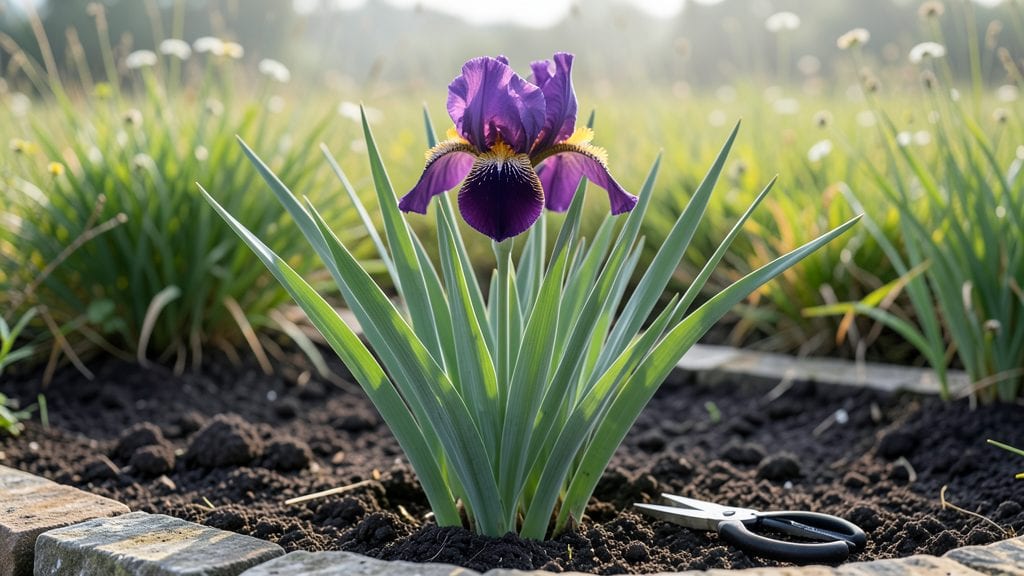
Brown iris flowers shouldn’t be a mystery—especially when they’re supposed to be bold and vibrant. 🌿 I’ve wrestled with brown iris leaves and blooms for years, and the culprit is almost never what you’d expect.
Whether it’s sneaky fungal infections, overzealous watering, or hidden nutrient starvation, the fix is simpler than you think.
The first step is diagnosing the problem: Are the brown spots fuzzy (fungus), crispy (drought), or spreading from the center (root rot)? I’ll walk you through visual clues and quick tests to pinpoint the issue before it spreads.
Once you know what’s wrong, the solutions are straightforward—organic sprays, soil adjustments, or just cutting back dead growth to reset the plant.
By the end, your irises will bounce back with fresh foliage and those signature purple blooms you love. The key is acting fast—before the brown spreads to the roots. Think of it as a reset button for your plants, and soon you’ll have pollinator-friendly blooms all season long.
Works for both garden beds and containers, and the fixes adapt to your climate. Let’s get those irises thriving again—no more guessing games.
Root Causes Of Discoloration
When your iris blooms lose their vibrant hues and turn brown, it’s often a cry for help from the plant itself. Understanding the why behind this shift is key to restoring its health and beauty.
Below, we break down the most common culprits—backed by science—and what they mean for your garden.
Brown spots or patches on iris leaves or petals are often a red flag for fungal diseases, particularly iris leaf spot (caused by Didymellina iridis) or root rot (from Rhizoctonia or Phytophthora).
- How it happens: Fungal spores thrive in humid, stagnant conditions, especially after prolonged rain or overhead watering. They enter through wounds (like insect bites or damaged foliage) and feast on plant tissues, causing:
- Dark brown, circular lesions on leaves
- Yellowing or wilting foliage
- Mushy, discolored roots (in severe cases)
- Science behind it: Fungi release enzymes that break down cell walls, leading to necrosis (dead tissue). High humidity (above 70%) and temperatures between 60–80°F (15–27°C) create the perfect breeding ground.
- Actionable fix:
- Remove and dispose of infected plant parts (do not compost!).
- Apply copper fungicide (like Bordeaux mixture) or neem oil as a preventive spray every 2–3 weeks during rainy seasons.
- Improve airflow by spacing plants 12–18 inches apart and avoiding mulch that stays soggy.
Irises are sun-lovers, but extreme conditions—whether scorching heat or harsh winter—can bleach or brown their blooms and leaves.
| Cause | Signs to Watch For | Scientific Explanation |
|---|---|---|
| Overexposure to UV rays |
|
UV radiation oxidizes chlorophyll and damages cell membranes, leading to photoinhibition—where the plant can’t photosynthesize efficiently. |
| Winter freeze damage |
|
Cold snaps (below 20°F/-7°C) cause ice crystal formation in cells, rupturing them. Irises are hardy but struggle with prolonged frost without mulch. |
Actionable fix:
- Provide morning sun + afternoon shade in hot climates (e.g., use a 30% shade cloth in peak summer).
- Mulch with 2–3 inches of straw or pine needles in winter to insulate rhizomes.
- Water deeply before the first frost to hydrate plants for winter.
Irises are drought-tolerant but despise waterlogged soil. Both over- and under-watering can trigger browning.
- Overwatering/Root Rot:
- Leaves turn mushy and brown at the base.
- Rhizomes smell rotten and feel soft.
Why it happens: Soggy soil deprives roots of oxygen, leading to anaerobic respiration. Roots suffocate, and Phytophthora fungi move in, causing rot.
- Underwatering/Browning Edges:
- Petals and leaf tips crisp and brown.
- Soil pulls away from rhizomes.
Why it happens: Cells lose turgor pressure (water content), leading to desiccation. Irises need 1–1.5 inches of water weekly (more in clay soil).
Actionable fix:
- Ensure well-draining soil: Mix in sand or perlite if your soil is heavy clay.
- Water at the base (avoid wetting foliage) and only when the top 2 inches of soil are dry.
- For underwatering: Soak the soil until water drains freely from the bottom of the pot (if potted).
Insects like iris borers (larvae of Macronoctua onusta) and thrips can silently damage irises, causing brown streaks or stunted growth.
- Iris Borers:
- Brown, sawdust-like frass (insect poop) on leaves.
- Hollow stems or chewed rhizomes.
Why it happens: Female moths lay eggs on leaves; larvae burrow into stems/rhizomes, disrupting nutrient flow.
- Thrips:
- Petals silver or brown with tiny black specks (feces).
- Leaves curl or distort.
Why it happens: Thrips pierce cells to feed on sap, injecting toxins that cause necrotic spots.
Actionable fix:
- Handpick large larvae or use soapy water spray (1 tsp mild soap per quart of water).
- Apply neem oil or insecticidal soap every 5–7 days during outbreaks.
- Plant traps like marigolds nearby to deter pests.
- For borers: Cut open stems in early spring to remove larvae.
Pro Tip: 🔍 Diagnose early! Scrape a brown spot: if it’s powdery
Reviving Your Iris Blooms Naturally
When your irises develop brown patches or fail to thrive, the good news is most issues have simple, effective fixes. Below, we’ve mapped common problems to practical solutions—plus prevention tips to keep your pollinator-friendly flowers vibrant year-round.
🍂 Brown spots on leaves or falls
Cause: Fungal diseases (like leaf spot) or bacterial rot from overwatering or poor drainage. Solution: 1. Prune affected areas 🔪 with sterilized shears, cutting ½ inch below the brown spot to prevent spread.
- Apply fungicide (copper-based or neem oil spray) every 7–10 days for 3 weeks. For organic gardens, mix 1 tsp baking soda + 1 quart water + a few drops of dish soap as a DIY spray.
- Improve airflow by spacing plants 12–18 inches apart and trimming nearby foliage.
💡 Prevention Tip:
- Water early in the morning (avoid evening moisture) and at the base (never overhead).
- Plant irises in well-draining soil (amend clay soil with sand or perlite).
🌸 Blooms turning brown prematurely
Cause: Overripe flowers left on the stem, heat stress, or dehydration. Solution: 1. Deadhead spent blooms 🌸 immediately (snip stems 2–3 inches above the base) to redirect energy to new growth.
- Mulch with organic matter (2–3 inches of straw or shredded leaves) to retain moisture and regulate soil temperature.
- Provide afternoon shade in hot climates (use shade cloth or plant near taller perennials).
💡 Prevention Tip:
- Water deeply 1–2 times per week (1 inch total) during dry spells—irises hate soggy roots but need consistent moisture.
🍄 Yellowing or stunted growth
Cause: Nutrient deficiencies (especially nitrogen or iron) or compacted soil. Solution: 1. Test your soil 📊 (use a DIY kit or send a sample to a local extension office). Irises prefer slightly acidic to neutral pH (6.0–7.0).
- Fertilize in early spring with a balanced, low-phosphorus fertilizer (e.g., 10-10-10 or a bulb-specific formula). Avoid high-nitrogen fertilizers in summer—they encourage leafy growth over blooms.
- Aerate the soil 🌡️ by gently loosening the top 6 inches with a fork or tiller (best done in fall or early spring).
💡 Prevention Tip:
- Divide clumps every 3–4 years (spring or fall) to prevent overcrowding, which starves roots of nutrients.
🐞 Pest damage (chewed leaves or rhizomes)
Cause: Iris borers (larvae), slugs, or deer browsing. Solution: 1. Handpick slugs 🐌 at night (use a flashlight) or set out beer traps (bury a shallow dish filled with beer).
- Treat for borers with Bt (Bacillus thuringiensis) spray in early summer when larvae emerge. For severe infestations, apply beneficial nematodes to the soil.
- Protect young shoots with deer repellent sprays (like Rotten Egg or commercial formulas) or install a chicken wire barrier around beds.
💡 Prevention Tip:
- Plant irises in groups—they’re less appealing to pests when clustered.
- Interplant with pest-repelling companions like garlic, chives, or marigolds.
- 🌞 Full sun is non-negotiable—irises need 6+ hours of direct sunlight daily to bloom their best.
- 💧 Drainage > everything—amend heavy soil with coarse sand or gravel if water pools after rain.
- 🌿 Let foliage die back naturally in fall—it stores energy for next year’s blooms (only trim after it turns brown).
- 🔄 Rotate blooms by planting early-, mid-, and late-season varieties to extend your color show.
🎯 Pro Tip: Keep a garden journal to track what works! Note when you fertilize, divide clumps, or spot pests—patterns will reveal your iris’s unique needs.
With these fixes, your irises will bounce back stronger—and reward you with bold, pollinator-loved blooms for seasons to come. 🐝💐
Frequently asked questions about brown iris flowers
Why do my iris petals turn brown before fully blooming?
Brown petals often signal heat stress or dehydration. Irises need consistent moisture—water deeply 1–2 times per week during dry spells, and provide afternoon shade in hot climates. Deadhead spent blooms immediately to redirect energy to new growth.
Can I save an iris plant with brown, mushy leaves?
Yes, but act fast! Trim affected leaves ½ inch below the brown spot with sterilized shears, then check for root rot. If rhizomes smell rotten, replant healthy sections in well-draining soil with added perlite. Apply copper fungicide to prevent spread.
Are brown spots on iris leaves always a fungal issue?
Not always—brown spots can also mean nutrient deficiency (like iron chlorosis) or pest damage (e.g., iris borers). Scrape a spot: if it’s powdery, it’s likely fungus. If the spot is crispy, check watering habits. For pests, look for sawdust-like frass on leaves.
How do I prevent brown iris blooms next season?
Focus on soil health and seasonal care: fertilize in early spring with a balanced 10-10-10 formula, mulch with straw, and divide overcrowded clumps every 3–4 years. Plant in full sun with well-draining soil to avoid waterlogged roots.
Will brown iris flowers come back next year?
If the rhizomes are healthy, yes! Cut back dead foliage in fall, but leave green leaves until they yellow naturally—they store energy for next year’s blooms. Brown blooms this year won’t repeat if you fix drainage, pests, or nutrient issues.