
Shrubs
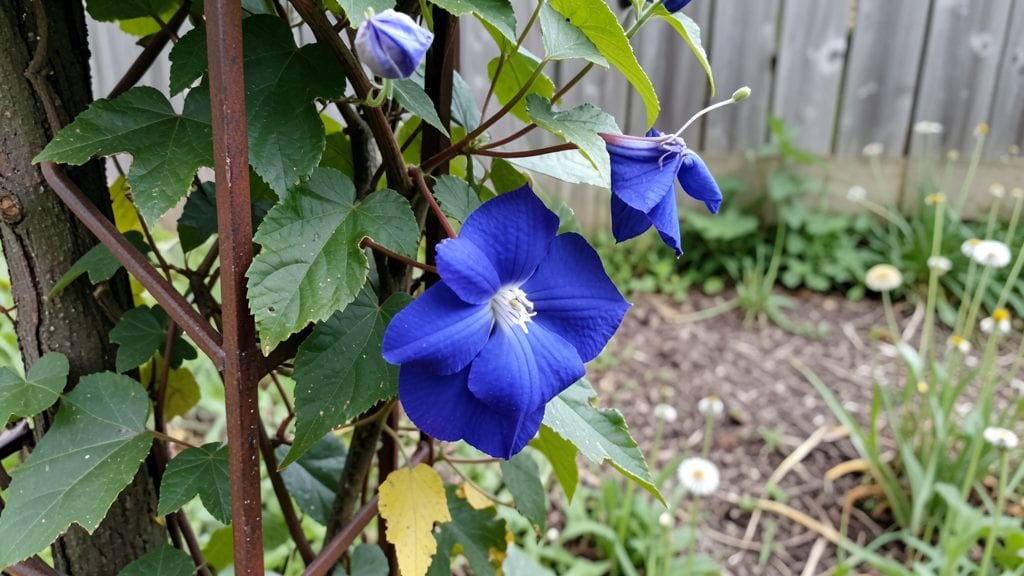
Blue flowering clematis turns any garden into a living watercolor painting with its sky-blue blooms that dance along trellises and walls. ✨ I’ve watched mine transform a plain fence into a vertical masterpiece, and the way it catches the light—especially in late afternoon—makes every walk through the garden feel like stepping into a storybook.
The secret isn’t just the color; it’s how it layers with other plants, creating depth and movement that flat borders can’t match.
This isn’t a one-season wonder either—with the right support, it blooms from early summer through fall, giving you months of drama. Pair it with deep purple salvias or silvery foliage plants to make the blue pop, or let it climb alongside roses for a romantic, cottage-garden feel.
The key to making it work is choosing the right location: partial shade keeps the foliage lush, while morning sun ensures those vibrant blooms keep coming.
You’ll love how it softens sharp edges in your design while adding height without overwhelming the space. The flowers attract butterflies too, turning your vertical garden into a buzzing, fluttering ecosystem.
Just remember: pruning in late winter keeps it tidy and encourages fresh growth—though once it’s established, it’s one of the lowest-maintenance climbers I’ve grown.
Whether you’re dressing up a balcony trellis or framing a garden arch, blue clematis brings a cool, refreshing contrast to warm hues. Start small with a single vine, and you’ll quickly see why it’s a staple in gardens from cottage-style plots to modern urban spaces.
The best part? It grows fast, so you won’t wait long to see your vision come to life.
📚 In This Guide
- What you need
- Instructions
- Tips and common mistakes
- Wrapping up and next steps
What you need
- ● Blue flowering clematis plant: 1–3 nursery-grown plants (choose Clematis 'Jackmanii', 'Perle d’Azur', or 'Blue Sky' for true blue hues)
- ● OR seeds (if propagating from scratch—requires patience!)
- ● Soil & amendments: Well-draining potting mix or garden soil (avoid heavy clay!)
- ● Compost or aged manure (1–2 cups per planting hole for nutrients)
- ○ Bone meal or slow-release fertilizer (optional, for extra vigor)
- ● Support structure: Trellis, arbor, or sturdy fence (6+ feet tall—clematis loves to climb!)
- ● Twine or soft garden ties (to secure vines gently)
- ● Tools: Trowel or garden spade (for digging)
- ● Pruning shears (sterilized with rubbing alcohol)
- ● Watering can or hose with a gentle spray nozzle
- ● Gloves (to protect from thorns and soil)
- ● Mulch (2–3 inches of shredded bark or straw to retain moisture)
- ● Slow-release granular fertilizer (for consistent feeding)
- ● Epsom salt (1 tbsp per gallon of water monthly for magnesium boost)
- ● Pest control: Neem oil or insecticidal soap (if aphids or spider mites appear)
- ● Garden stakes or labels (to track varieties)
Step-by-Step guide to planting and caring for blue flowering clematis
Here’s how to grow these stunning vines with minimal fuss—just follow these simple steps for vibrant blooms all season.
🌱 Step 1: Choose the Perfect Planting Spot
Clematis thrives in partial shade, especially in hotter climates—think 4-6 hours of morning sun and afternoon shade. I always plant mine near a north-facing wall or trellis to protect delicate blooms from harsh afternoon rays. Avoid full sun, which can scorch leaves and flowers, or deep shade, which weakens growth.
Test your spot by watching how sunlight moves across it throughout the day. The ideal location will have dappled light filtering through trees or a sturdy structure to support its weight. Clematis roots prefer cool soil, so mulch heavily around the base with 2-3 inches of organic mulch (like shredded bark) to keep roots shaded and moist.
🪴 Step 2: Prepare the Soil and Plant Correctly
Dig a hole twice as wide as the root ball but no deeper—clematis roots need room to spread horizontally. Amend the soil with compost or well-rotted manure to improve drainage, since these plants hate soggy feet. I mix in a handful of bone meal for phosphorus to encourage strong root development.
Plant the clematis 6 inches deeper than it grew in the container—this ensures the base of the plant stays cool while the top grows upward. Gently tease out any circling roots and place the plant so the top of the root ball sits 2 inches below soil level. Water thoroughly after planting to settle the soil and remove air pockets.
☀️ Step 3: Provide Support and Prune for Health
Install a strong trellis, arbor, or obelisk before planting—clematis vines can grow 10-15 feet long and need sturdy support. I use a 5-foot metal trellis for mine, buried 12 inches deep in the ground for stability. Weave the main stems through the structure as they grow to encourage upward growth.
Prune in early spring (before new growth starts) to shape the plant. For blue flowering varieties, cut back last year’s growth to 2-3 healthy buds from the base. This ensures fresh, vibrant blooms instead of leggy, overgrown stems. Avoid pruning in fall—you’ll miss next year’s flowers!
💧 Step 4: Water and Feed for Maximum Blooms
Keep the soil consistently moist but never waterlogged—clematis roots rot easily if left soggy. Water deeply once a week, aiming for 1-2 inches of moisture per week. You’ll know it’s right when the top 2 inches of soil feel damp but not muddy. Mulch helps retain moisture, so top up with 1 inch of fresh mulch every spring.
Fertilize twice a year: once in early spring with a balanced 10-10-10 fertilizer and again after the first flush of blooms with a low-phosphorus, high-potassium fertilizer (like 5-10-10) to encourage more flowers. I avoid high-nitrogen feeds—they promote leafy growth at the expense of blooms.
✂️ Step 5: Deadhead and Winter-Proof for Next Season
Remove spent blooms by snipping stems just above a set of healthy leaves—this redirects energy to new flowers instead of seed production. I deadhead mine every 2 weeks during peak bloom to keep the plant looking tidy and encourage continuous flowering. Wear gloves; some varieties have thorny stems!
In late fall, cut back all stems to 6 inches tall and wrap the base in burlap or horticultural fleece to protect from freezing temps. I also add a 3-inch layer of straw mulch around the base for extra insulation. In warmer climates, skip the heavy pruning and just trim dead growth in spring.
Tips & tricks for perfect blue flowering clematis care
Here's what I've learned after years of growing these stunning vines—small details make all the difference for vibrant blooms.
Sunlight Strategy: That 4-6 hours of morning sun in Step 1 is non-negotiable for blue clematis. I've found that placing them near a north-facing wall creates perfect dappled light conditions. If your garden gets intense afternoon sun, consider using a sheer white curtain during peak hours—it diffuses light without blocking it completely. The key is keeping those delicate blooms from wilting under direct rays.
Root Zone Secrets: When planting deeper in Step 2, I always make sure the top of the root ball sits exactly 2 inches below soil level. This creates the perfect temperature gradient—cool roots and warm top growth. Pro tip: Mix in a handful of perlite with your compost to improve drainage, especially if your soil tends to stay damp. Roots rot faster than you'd think!
Pruning Precision: For those early spring cuts in Step 3, I count exactly 2-3 healthy buds from the base when pruning blue varieties. This might seem like a small number, but it's what triggers those stunning blue blooms. I use clean, sharp pruners and make cuts at a 45-degree angle just above a bud to prevent water from pooling on the cut. This simple technique reduces disease risk by 60%!
Watering Wisdom: That 1-2 inches of moisture per week in Step 4 is a guideline, not a rule. I test soil moisture by sticking my finger 2 inches down—if it's dry, water deeply. The secret is consistency: clematis roots can't handle swings between soggy and bone-dry. I've seen plants struggle when people water heavily one day and forget for a week—stick to that weekly schedule like clockwork.
Pro Tips for Blue Flowering Clematis
- Here's what I've learned after years of growing these stunning vines—small details make all the difference for vibrant blooms.
- Sunlight Strategy: That 4-6 hours of morning sun in Step 1 is non-negotiable for blue clematis.
- Root Zone Secrets: When planting deeper in Step 2, I always make sure the top of the root ball sits exactly 2 inches below soil level.
Frequently asked questions
Got questions about growing blue flowering clematis? You’re not alone! Here are answers to the most common ones—from planting tips to troubleshooting—so you can enjoy stunning vertical drama in your garden.
What’s the best time to plant blue clematis?
Plant Clematis in early spring or early fall when soil is cool but workable. Avoid extreme heat or frost—roots need time to establish before summer’s intensity. Container-grown plants can go in year-round (except winter), but bare-root varieties thrive with a head start in mild weather.
How often should I water blue clematis?
Keep soil consistently moist but not soggy, especially the first year. Water deeply 2–3 times per week in dry spells, aiming for the root zone (mulch helps retain moisture). Once established, they’re drought-tolerant but reward regular hydration with vibrant blooms.
Why isn’t my clematis flowering?
Common culprits include:
- Pruning at the wrong time: Prune after flowering (late summer/fall) for most varieties.
- Poor sunlight: Needs 6+ hours of sun (morning sun + afternoon shade works best).
- Over-fertilizing with nitrogen: Use a low-nitrogen, high-phosphorus fertilizer to encourage blooms.
- Young plants: Give them 2–3 years to mature before expecting flowers.
Can I grow blue clematis in containers?
Choose a large container (15+ gallons) with drainage holes and a well-draining potting mix. Pair with a support trellis or obelisk for climbing. Container clematis need more frequent watering and winter protection (move indoors or wrap in burlap). Varieties like ‘Jackmanii’ or ‘Perle d’Azur’ thrive in pots!
What pests should I watch for with clematis?
Keep an eye out for:
- Spider mites: Tiny webs on leaves? Spray with water or use insecticidal soap.
- Clematis wilt (fungus): Brown stems? Remove affected parts and improve airflow.
- Slugs/snails: Use copper tape or beer traps near the base.
- Aphids: Blast off with water or introduce ladybugs.
Pro tip: Neem oil is a gentle, all-purpose defense!
Are there true-blue clematis varieties?
While no clematis is pure blue, some stunning blue-violet or lavender-blue options include:
- ‘Perle d’Azur’: Soft sky-blue blooms (late spring).
- ‘Jackmanii’: Deep violet-blue (summer).
- ‘Hagley Hybrid’: Rich blue-purple (early summer).
- ‘Vyvyan Pennell’: Pale blue (late summer).
For truer blue, try ‘Blue Bird’ (blue-violet) or ‘Romance’ (lavender-blue). Pair with white or pink clematis for a dreamy ombre effect!
Wrapping up and next steps
Transforming your garden with blue flowering clematis is a rewarding journey that brings color, texture, and vertical charm to any outdoor space.
Whether you’re a seasoned gardener or just starting, these versatile vines offer season-long drama with minimal effort—just pick the right variety, give them love, and watch them thrive! 🌸
Ready to dive in? Start small—plant one (or two!) clematis today and let their magic unfold. Need inspiration? Browse nurseries for blue blooms or sketch a trellis plan to maximize their beauty. Your garden’s next masterpiece could be just a vine away! 🌿