
Shrubs
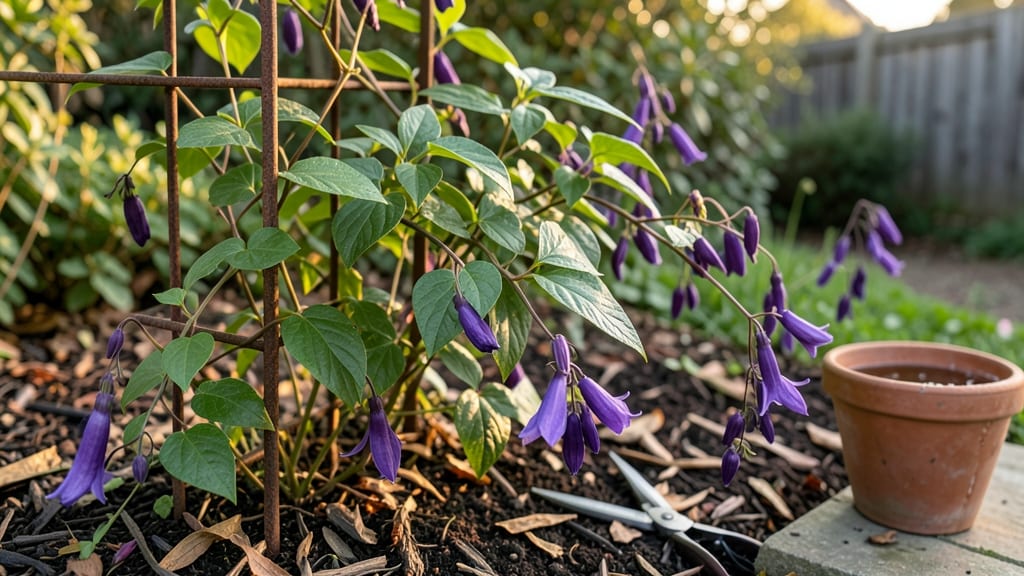
Summer flowering vines turn blank walls into living tapestries of color. 🌿 I’ve seen them transform dull spaces into showstoppers—clematis spilling over arbors in purple cascades, morning glories climbing trellises in electric blue, and wisteria draping pergolas in fragrant lavender.
The key isn’t just picking pretty flowers; it’s strategically placing them where they’ll steal the show all season long.
These vines thrive on sunlit walls, but they’re not one-size-fits-all. Clematis needs sturdy support and partial shade in hot afternoons, while morning glories will grow anywhere with at least six hours of sun.
Wisteria, the showstopper, demands more space and patience—its blooms arrive later but reward you with clusters thick enough to hide a bird’s nest. The trick is matching the vine’s habits to your garden’s layout.
Imagine your patio awash in color by June, with blooms that last until frost. You’ll create privacy where there was none, frame windows with living curtains, and turn a boring fence into a vertical garden that neighbors envy.
The best part? These vines attract pollinators like crazy, turning your design into an ecosystem that hums with life. Let’s make your walls unforgettable.
Whether you’re working with a small balcony or a sprawling backyard, there’s a vine that fits. Start with morning glories for instant impact, then layer in clematis for height, and save wisteria for the grand finale. The possibilities are endless—and your garden will thank you for the lift.
📚 In This Guide
- What you need
- Instructions
- Tips and common mistakes
- Wrapping up and next steps
What you need
- ● Summer flowering vines (3–5 plants per section, depending on desired coverage): Clematis (e.g., Clematis montana or Clematis viticella)
- ● Wisteria (e.g., Wisteria sinensis or Wisteria floribunda)
- ● Honeysuckle (e.g., Lonicera periclymenum)
- ● Passionflower (e.g., Passiflora caerulea)
- ● Support structure (choose one): Trellis (6–8 ft tall, metal or wooden)
- ● Arbor or pergola (for larger spaces)
- ● Obelisk or decorative post (for smaller vines)
- ● Potting soil: 1–2 bags (10–15 lbs each) of well-draining potting mix (add perlite or compost for aeration)
- ● Containers or in-ground space: Large pots (15–20 gallons, with drainage holes) or a prepared garden bed
- ● Fertilizer: Balanced 10-10-10 or organic compost (mix into soil at planting)
- ○ Slow-release granules (optional, for ongoing nutrition)
- ● Mulch (2–3 inches of shredded bark or straw to retain moisture)
- ● Drip irrigation kit or soaker hose (for consistent watering)
- ● Pruning shears (sharp, for shaping and maintenance)
- ● Tie-down clips or soft plant ties (to secure vines to supports)
- ● Decorative accents (e.g., solar lights, hanging planters, or lattice panels)
How to plant and care for summer flowering vines
Here’s my go-to method for transforming bare walls into vibrant vertical gardens.
🌱 Step 1: Choose the Right Vine and Planting Location
Pick a vine suited to your climate—clematis, morning glories, or black-eyed Susans thrive in full sun, while wisteria and passionflower prefer partial shade. I always check the mature height (some reach 20+ feet) to ensure it fits your space. Plant near a sturdy trellis, fence, or pergola—vines need something to grip as they grow.
Dig a hole twice as wide as the root ball but only as deep. Loosen the roots gently if they’re circling, then place the vine in so the top of the root ball sits 1-2 inches below soil level. This prevents stem rot while encouraging strong root growth. Water deeply right after planting to settle the soil around the roots.
🪴 Step 2: Install Support Structures and Prune Strategically
Before planting, install your trellis or lattice at least 6 inches away from the wall to allow airflow and prevent mold. Use galvanized wire or twine to loosely tie the vine stems to the structure—don’t pull too tight, or you’ll snap tender new growth. I like to weave the vines through the lattice as they grow for a natural look.
Prune immediately after planting to shape the vine. Cut back any dead or damaged stems, then trim the remaining ones by ⅓ to encourage bushier growth. For climbing vines like clematis, leave 2-3 strong buds near the base for new shoots. This step is critical—skipping it leads to leggy, weak vines that flop over.
☀️ Step 3: Water and Fertilize for Vibrant Blooms
Water deeply once a week during the first month, letting the soil dry slightly between waterings. After that, aim for 1-1.5 inches of water per week, either from rain or irrigation. Mulch around the base with 2-3 inches of organic mulch to retain moisture and suppress weeds. You’ll know you’re doing it right when the soil stays damp but not soggy.
Feed with a balanced, slow-release fertilizer (10-10-10) in early spring and again after the first flush of blooms. For extra drama, side-dress with compost or worm castings in late summer to boost next year’s growth. Avoid high-nitrogen fertilizers—they produce lush foliage but fewer flowers.
✂️ Step 4: Prune and Train Throughout the Season
As the vine grows, gently guide new shoots along the trellis, tying them loosely every 6-12 inches to prevent tangling. Prune regularly to remove spent blooms—this encourages more flowers and keeps the vine tidy. For annuals like morning glories, deadhead daily to prolong blooming. For perennials like clematis, prune after flowering to maintain shape.
Watch for signs of overgrowth—if the vine looks crowded or flowers are sparse, it’s time to thin out some stems. I usually remove 1-2 of the oldest stems each year to make room for newer, more vigorous growth. This keeps the vine healthy and ensures a full, lush display every summer.
🌿 Step 5: Prepare for Winter and Next Year’s Growth
In late fall, cut back perennials like clematis and wisteria to 6-12 inches above the ground. Annuals can be removed entirely. Wrap tender vines with burlap or frost cloth if your winters dip below 20°F, and mulch heavily around the base. This protects the roots and gives the vine a strong start in spring.
Mark the planting location with a stake or garden marker so you don’t accidentally disturb the roots when prepping for next year. I always jot down notes—like which varieties bloomed best and when—so I can repeat success. With proper care, your summer flowering vines will return even more dramatic each season.
Tips & tricks for perfect summer flowering vines
Transforming your outdoor space with summer flowering vines is easier than you think—here are my go-to tricks for vibrant, thriving plants that keep coming back year after year.
Vine Selection Matters: Don't just grab the first vine you see! Morning glories and black-eyed Susans are perfect for sunny spots, while wisteria and passionflower love partial shade. I always check the mature height—some varieties like clematis can reach 20+ feet, so make sure your trellis or fence is tall enough to support them. Pro tip: Look for healthy, established plants with multiple stems at the nursery, as they'll establish faster in your garden.
Root Placement is Critical: When planting, remember that proper root placement prevents stem rot and encourages strong growth. The top of the root ball should sit just 1-2 inches below soil level—this is often where beginners go wrong. If you bury it too deep, the stem may rot; if too shallow, roots won't anchor properly. After planting, give it a deep watering to settle the soil around those roots.
Pruning Strategy for Bushier Growth: That initial ⅓ trim after planting isn't just about shaping—it's about encouraging bushier growth. For climbing vines like clematis, leaving 2-3 strong buds near the base gives you more starting points for new shoots. I've seen so many people skip this step and end up with leggy, weak vines that flop over. Trust me, those first pruning cuts pay off big time in summer!
Winter Protection Secrets: If your winters dip below 20°F, don't skip the frost protection. Wrap tender vines with burlap or frost cloth and add extra mulch around the base. I've had vines survive harsh winters just by taking this extra step. Mark your planting location with a stake so you don't accidentally disturb those protected roots when spring arrives.
Pro Tips for Summer Flowering Vines
- Transforming your outdoor space with summer flowering vines is easier than you think—here are my go-to tricks for vibrant, thriving plants that keep coming back year after year.
- Vine Selection Matters: Don't just grab the first vine you see!
- Root Placement is Critical: When planting, remember that proper root placement prevents stem rot and encourages strong growth.
Frequently asked questions
Got questions about summer flowering vines? You’re not alone!
Whether you’re a first-time gardener or a seasoned pro, these common queries will help you pick, plant, and maintain show-stopping vertical blooms.
What are the fastest-growing summer flowering vines for quick results?
For rapid vertical drama, opt for Morning Glory (3–4 feet per season!) or Sweet Pea (up to 10 feet in one year). Honeysuckle and Clematis also climb fast but may need trellis support. Pro tip: Prune regularly to encourage bushier growth and more blooms!
When is the best time to plant summer flowering vines?
Plant after the last frost (spring) for established vines, or late summer for seeds (like morning glories). Young plants thrive in warm soil, so avoid freezing temps. Bonus: Container-grown vines can go in anytime the ground isn’t frozen!
How do I keep summer flowering vines from taking over my garden?
Most vines spread aggressively—contain them with deep-root barriers or regular pruning. For invasive types (e.g., Wisteria), train them on a strong trellis and trim back after flowering. Warning: Some, like English Ivy, can damage structures—choose wisely!
Why aren’t my summer flowering vines blooming this year?
Common culprits: too much shade, over-fertilizing (focus on phosphorus for blooms), or poor pruning. Deadhead spent flowers and ensure 6+ hours of sun. Clematis lovers: Prune in stages—early, mid, and late summer—to encourage new growth!
Are there low-maintenance summer flowering vines for busy gardeners?
Try Passionflower (drought-tolerant), Star Jasmine (fragrant and hardy), or Campsis (Trumpet Vine)—it’s aggressive but thrives with minimal care. Hot tip: Mulch to retain moisture and reduce weeds. Even busy bees (and gardeners!) will love these.
Wrapping up and next steps
Transforming your sunlit walls into a vibrant vertical garden is easier—and more rewarding—than you might think! Summer flowering vines like clematis, morning glories, or wisteria bring bold color, texture, and life to any space, while requiring minimal upkeep once established.
Whether you’re a seasoned gardener or just starting out, these plants offer a low-maintenance, high-impact way to elevate your outdoor aesthetic.
Ready to turn your vision into reality? Start small: Pick one vine variety, gather your materials, and plant with confidence! Before you know it, your walls will be a lush, blooming masterpiece. 🌿✨