
Size
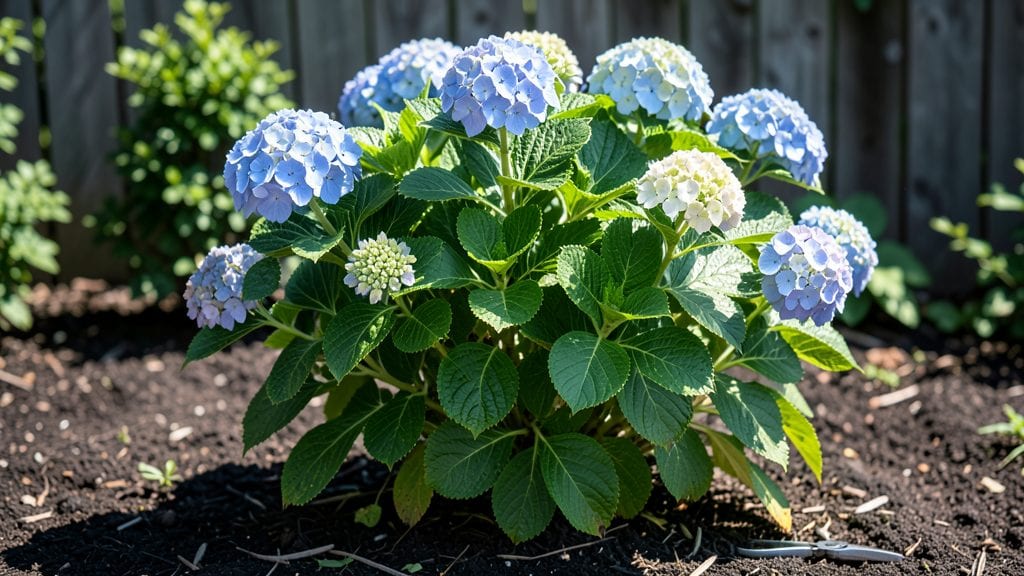
Tall flowering bushes transform blank walls into lush, fragrant backdrops that steal the show all year. ✨ I learned this the hard way when my bare fence became a canvas for ivy—until I swapped it for hydrangeas and abelia, which now spill over with color from spring through frost.
The right tall shrubs add height, texture, and seasonal drama without overwhelming small spaces.
Think of these plants as vertical layers: place 6-foot beauties like butterfly bush or lilac at the back, then tuck 4-foot companions like weigela or daphne in front. They’ll create depth while keeping your garden looking intentional, not crowded.
Most thrive in full sun to partial shade, so even tricky spots get a second chance at curb appeal.
By mixing blooms—think creamy abelia paired with deep purple hydrangeas—you get year-round interest, from spring’s first flush of color to winter’s persistent berries. The scent alone makes it worth it: abelia’s jasmine-like fragrance lingers at dusk, while lilac’s perfume draws bees by the hundreds.
Even my neighbors stopped asking when I’d "fix" the fence.
Pro tip: Prune after blooming to encourage next year’s flowers, and mulch heavily to keep roots cool. These shrubs are the unsung heroes of low-maintenance gardens—once planted, they just grow, bloom, and impress. Ready to turn that blank wall into a showstopper?
📚 In This Guide
- What you need
- Instructions
- Tips and common mistakes
- Wrapping up and next steps
What you need
- ● Flowering Tall Bushes: Choose 3–5 mature bushes (6–10 ft tall) like hydrangeas, abelia, or butterfly bush. Pro tip: Opt for varieties suited to your climate zone!
- ● High-Quality Soil: 5–10 bags (20 lbs each) of well-draining potting mix or native soil amended with compost.
- ● Organic Fertilizer: 1–2 bags of slow-release granular fertilizer (10-10-10 or rose-specific blend).
- ● Mulch: 2–3 bags of wood chips or shredded bark to retain moisture.
- ● Garden Gloves: 1–2 pairs (heavy-duty for thorny bushes).
- ● Trowel & Spade: 1 each (for planting and soil prep).
- ● Pruning Shears: 1 pair (bypass pruners for clean cuts).
- ● Watering Can or Hose: With a gentle spray nozzle for new plants.
- ● Measuring Tape: To ensure proper spacing (3–6 ft apart for most bushes).
- ○ Stakes & Twine (Optional): For young, top-heavy plants.
- ● Sunlight Assessment: Confirm your wall/garden area gets at least 6 hours of sunlight daily (adjust bush selection for shade-tolerant varieties if needed).
- ● Drainage Check: Ensure the planting area isn’t prone to waterlogging.
- ● Local Regulations: Verify HOA or city guidelines for tall plantings near walls/fences.
How to plant and maintain flowering tall bushes for year-round beauty
Here's my foolproof method for transforming your garden walls into lush, vertical displays that bloom from spring to fall.
🌱 Step 1: Choose the Right Location and Prepare the Soil
Flowering tall bushes thrive in full sun to partial shade—aim for at least 6 hours of sunlight daily. I always test the spot by observing how sunlight moves across the area throughout the day. Avoid low-lying areas where cold air settles, as this can damage tender roots in winter.
Before planting, loosen the soil to a depth of 12-18 inches using a garden fork. This helps roots spread easily. Mix in 3-4 inches of compost into the top 12 inches of soil to improve drainage and fertility. Tall bushes like hydrangeas and lilacs need well-draining soil to prevent root rot—if your soil is heavy clay, add a handful of perlite to the planting hole.
🪴 Step 2: Dig Holes and Plant at the Right Depth
Dig holes twice as wide as the root ball but only as deep as the container the bush came in. This ensures the plant sits at the same depth it grew in, preventing stem rot or exposure. Gently remove the bush from its container and tease the roots outward if they're circling—this encourages outward growth instead of a tangled root ball.
Place the bush in the hole and backfill with soil, pressing lightly to remove air pockets. Water deeply to settle the soil around the roots. I like to create a 2-inch-high berm around the base to help direct water straight to the roots during irrigation. Mulch with 2-3 inches of shredded bark (keeping it 3 inches away from the stem) to retain moisture and regulate soil temperature.
☀️ Step 3: Water Deeply and Establish a Routine
Water your new bushes deeply once a week for the first month, ensuring the soil is moist 6-8 inches down. You'll know it's enough when water drains out the bottom of the hole. Overwatering is a common mistake—always check by sticking your finger 2 inches into the soil. If it feels dry, water again; if it's damp, wait a few more days.
After the first month, reduce watering to every 10-14 days, depending on rainfall. Tall bushes like hydrangeas and abelia are drought-tolerant once established, but they still need consistent moisture during their first growing season. Avoid wetting the leaves when watering, as this can promote fungal diseases. Use a soaker hose or drip irrigation for targeted root watering.
✂️ Step 4: Prune for Shape and Encourage Blooms
Prune your tall bushes right after flowering (late summer to early fall) to shape them and promote next year's blooms. Remove any dead, diseased, or crossing branches first—this improves airflow and reduces pests. For flowering bushes like weigela or butterfly bush, cut back 1/3 of the oldest stems to encourage new growth and more flowers.
Use clean, sharp pruners to make cuts at a 45-degree angle just above a leaf node or bud. Avoid leaving stubs, as they can rot and invite disease. If your bush blooms on old wood (like lilacs), prune immediately after flowering to avoid cutting off next year's buds. Watch for new growth in spring—this is your signal that the pruning worked!
🌿 Step 5: Fertilize and Protect for Long-Term Growth
Apply a balanced, slow-release fertilizer (like 10-10-10) in early spring before new growth appears. Follow the package instructions, but I usually use half the recommended dose to avoid overfeeding. Over-fertilizing can lead to weak stems and fewer flowers. Water the area thoroughly after applying to help the granules settle into the soil.
Protect young bushes from late spring frosts by covering them with frost cloth if temperatures drop below 28°F. Mature bushes are hardier, but a thick layer of mulch (renewed every spring) helps insulate roots in winter. Monitor for pests like aphids or spider mites—a strong spray of water usually removes them, but severe infestations may need neem oil treatment.
Tips & tricks for perfect flowering tall bushes
Creating stunning vertical gardens with flowering tall bushes takes more than just planting—the little details make all the difference. Here's what I've learned after years of transforming garden walls into vibrant displays.
Sunlight Strategy: That 6 hours of sunlight requirement is non-negotiable for most flowering bushes, but here's the thing: morning sun is gentler than afternoon heat. If you're in a hot climate, position bushes to get morning sun and afternoon shade—this prevents leaf scorch while still giving them enough light to thrive. I've seen hydrangeas go from wilted to lush just by adjusting their sun exposure this way.
Root Ball Rescue: When teasing those circling roots in Step 2, don't just pull them apart—make small cuts with your fingers or a clean knife to break up tight root balls. This encourages outward growth rather than a tangled mess. I've had bushes struggle for years because I skipped this step, thinking they'd sort themselves out. They won't! Also, if your bush comes in a plastic pot, score the bottom to help roots establish faster.
Watering Wisdom: The 6-8 inch deep watering in Step 3 is about more than just moisture—it's about encouraging deep root growth. Use a soil probe or long screwdriver to check moisture levels. If you're using a soaker hose, run it for 20-30 minutes to ensure water penetrates that deeply. I've seen many gardeners water lightly every day, which creates shallow roots that can't support tall bushes properly.
Pruning Precision: That 45-degree angle cut in Step 4 isn't just for looks—it helps water run off the cut and prevents disease. When pruning weigela or butterfly bush, look for the innermost buds when making your cuts. These will grow into the strongest new stems. I always sanitize my pruners with rubbing alcohol between cuts to prevent spreading any potential diseases from dead branches to healthy ones.
Pro Tips for Flowering Tall Bushes
- Creating stunning vertical gardens with flowering tall bushes takes more than just planting—the little details make all the difference.
- Sunlight Strategy: That 6 hours of sunlight requirement is non-negotiable for most flowering bushes, but here's the thing: morning sun is gentler than afternoon heat.
- Root Ball Rescue: When teasing those circling roots in Step 2, don't just pull them apart—make small cuts with your fingers or a clean knife to break up tight root balls.
Frequently asked questions
Got questions about adding flowering tall bushes to your garden?
You’re not alone! Here are answers to the most common concerns—from planting to upkeep—so you can confidently transform your space with vertical beauty.
What’s the best time of year to plant flowering tall bushes?
For most regions, early spring or fall are ideal—when soil is workable but not freezing. This gives roots time to establish before extreme heat or cold. Avoid planting in summer’s peak heat or winter’s frost, as stress can stunt growth. Pro tip: Check your local frost dates for precision!
How do I prevent my tall bushes from leaning or falling over?
Leaners often result from poor support or uneven growth. Stake young bushes at planting (use 3–4 stakes per plant) and tie them loosely with soft fabric strips. Prune for a balanced shape, and mulch the base to stabilize roots. Heavy blooms? Add trellises or cages for extra support.
Can I grow flowering tall bushes in containers or small spaces?
Dwarf varieties like Hydrangea ‘Limelight’ or Abelia ‘Kaleidoscope’ thrive in large pots (15+ gallons). Use well-draining soil and fertilize regularly to compensate for limited root space. For walls, choose compact climbers like Clematis or Star Jasmine—they add height without bulk!
Why aren’t my tall bushes flowering this year?
Common culprits: over-fertilizing with nitrogen (promotes leaves, not blooms), poor sunlight (most need 6+ hours daily), or pruning at the wrong time. For spring bloomers (like lilacs), prune after flowering; for summer bloomers (like hydrangeas), prune in late winter. Check soil pH too—some, like azaleas, need acidic conditions!
What are some low-maintenance flowering tall bush alternatives?
If upkeep feels overwhelming, try these hardy, fuss-free options:
- Butterfly Bush (Buddleia) – Drought-tolerant and attracts pollinators.
- Spirea (Spiraea japonica) – Blooms repeatedly with minimal pruning.
- Weigela – Fast-growing with vibrant spring flowers.
- Potentilla – Thrives in poor soil and resists pests.
Wrapping up and next steps
Flowering tall bushes are the perfect way to add vertical beauty, privacy, and year-round charm to your garden walls—without sacrificing space! 🌸 Whether you’re drawn to fragrant roses, bold hydrangeas, or delicate wisteria, these plants offer low-maintenance elegance and a stunning backdrop for any outdoor space.
Ready to transform your garden? Start small: pick one variety that suits your climate and style, gather your tools, and dive in! With the right care, your flowering bushes will thrive, creating a lush, living canvas that brings joy for seasons to come. Happy planting! 🌿