
Flowers
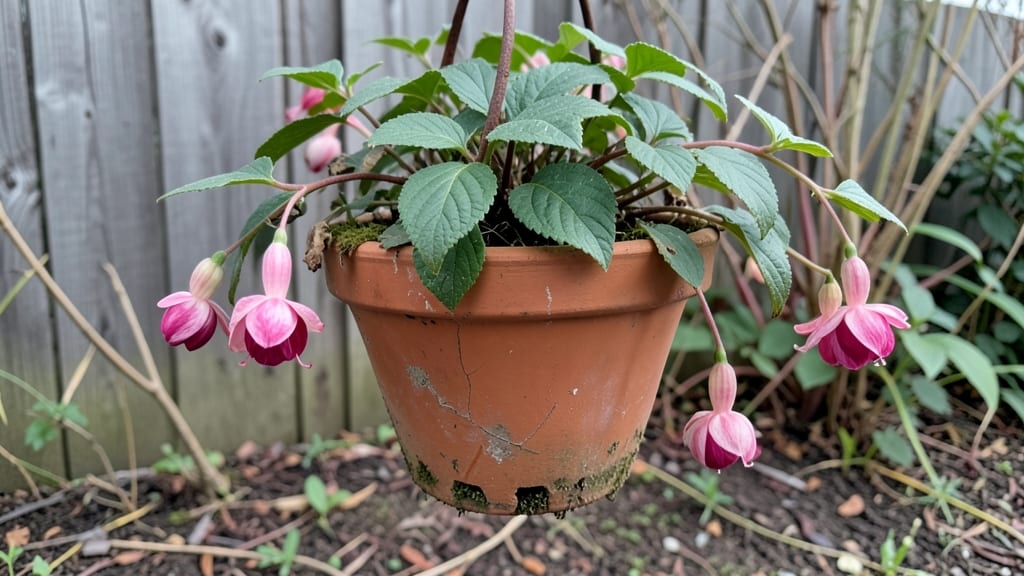
The best hanging flowers transform any space into a fragrant, cascading paradise—no green thumb required. 🌸 I’ve filled my porch with these showstoppers, and they’ve earned their spot as my go-to for effortless beauty.
The secret lies in their resilience: petunias that bloom until frost, fuchsias that thrive in shade, and trailing ivy that spills like a waterfall.
You’ll need 3-5 gallon baskets, a lightweight potting mix, and slow-release fertilizer to keep them thriving. Most varieties handle morning sun but need afternoon shade, especially in hot climates. My rule of thumb?
Pick 3-5 plants per basket—one for color, one for fragrance, and one for trailing habit. The payoff? Baskets that look like they cost hundreds but cost less than $20 each.
Imagine velvety petunias in pink and purple, their scent lingering in the evening air, or fuchsias dripping like jewels in deep reds and magentas. These aren’t just pretty—they’re season-long performers, with some even reblooming if you deadhead regularly.
Pair them with sweet alyssum for texture, and you’ve got a display that turns heads every time someone walks by.
Works for porches, balconies, or even trellises—just adjust watering based on your climate. The key? Consistency. Once you master the basics, you’ll be swapping out varieties for every season, creating displays that make neighbors ask, "What’s your secret?" Let’s get those baskets blooming!
📚 In This Guide
- What you need
- Instructions
- Tips and common mistakes
- Wrapping up and next steps
What you need
- ● Hanging planters: 3–5 10–14-inch diameter macramé, ceramic, or woven baskets (ensure they have drainage holes or add a saucer).
- ● Potting mix: 1–2 bags of well-draining, peat-free mix (e.g., 50/50 blend of coconut coir and perlite).
- ● Hanging flowers: 3–5 trailing or cascading varieties (e.g., Petunia ‘Wave,’ Fuchsia ‘Giant Marble,’ or Lobularia ‘Sweet Alyssum’).
- ● Slow-release fertilizer: 1 packet of balanced 10-10-10 or organic bloom booster (follow package instructions).
- ● Watering can: 1 spray nozzle or drip-style (to avoid overwatering delicate roots).
- ● Scissors or pruners: 1 pair (sterilized with rubbing alcohol).
- ● Gloves: 1 pair (to protect hands from thorns or soil).
- ○ Support stakes: 2–3 bamboo or decorative stakes (optional, for extra-height varieties like Nasturtium).
- ● Mulch or moss: 1 small bag (e.g., orchid bark or sphagnum moss) to retain moisture in baskets.
- ● Hanging hardware: S-hooks, chains, or decorative cords (match your planter style!).
- ● Liquid feed: 1 bottle of fish emulsion or seaweed extract (for a mid-season nutrient boost).
Step-by-Step guide to creating a fragrant hanging flower display
Here’s how to craft a lush, fragrant hanging garden that thrives year after year.
🪴 Step 1: Select the Right Containers and Drainage
Choose macramé hangers or woven baskets that are at least 12-15 inches deep to accommodate root growth and cascading stems. Ensure they have multiple drainage holes—poor drainage is the fastest way to kill delicate hanging plants. I always reinforce the bottom with a plastic nursery pot liner to prevent soil from spilling out while still allowing water to escape.
For best results, opt for terra cotta or fiberglass containers—they’re lightweight, durable, and breathe better than plastic. If using a pre-made hanger, check the weight limit; some lightweight designs can’t support heavy blooms like petunias or fuchsias once they mature.
🌱 Step 2: Prepare Soil and Planting Mix
Fill your containers with a lightweight, well-draining potting mix—never garden soil, which compacts and suffocates roots. I blend 2 parts potting mix with 1 part perlite or vermiculite to improve aeration. Add a slow-release fertilizer (like 5-10-5) to the mix for a steady nutrient boost over the growing season.
Moisten the soil before planting until it’s evenly damp but not soggy. Press it gently into the container to eliminate air pockets, then make a small planting hole—just deep enough to bury the plant’s root ball up to its lowest leaves. This ensures stability while allowing stems to cascade freely.
🌿 Step 3: Choose and Plant Fragrant Varieties
For long-lasting fragrance, I recommend petunias, fuchsias, or sweet alyssum—all thrive in hanging displays. Plant 3-5 mature plants per container, spacing them 4-6 inches apart to allow airflow and prevent overcrowding. Dig a hole twice as wide as the root ball to encourage root spread.
Gently remove the plant from its nursery pot and loosen any circling roots with your fingers. Place it in the hole, then backfill with soil, pressing lightly to secure it. Water immediately after planting to settle the roots—this prevents air pockets that can strangle new growth.
☀️ Step 4: Position for Optimal Light and Airflow
Hang your containers where they’ll receive 6-8 hours of sunlight daily, ideally in a south- or west-facing location. Most fragrant flowers need bright, indirect light—direct midday sun can scorch petals and fade fragrance. If your space is shady, opt for sweet alyssum or impatiens, which tolerate lower light better.
Ensure 3-4 inches of clearance between containers to promote airflow, which reduces humidity-related diseases like powdery mildew. Rotate the hangers every 2-3 weeks so all sides get even light exposure. You’ll notice stems growing straighter and blooms lasting longer when light is balanced.
💧 Step 5: Water and Maintain for Continuous Blooms
Water every 2-3 days, checking that the top inch of soil feels dry before adding more. Hanging plants dry out faster than ground-level ones, so I use a gentle spray nozzle to avoid displacing soil or damaging blooms. Always water at the base of the plant—never from above, as this can wash away soil and drown roots.
Deadhead spent blooms weekly to encourage new flowers and prolong the season. I also fertilize every 4-6 weeks with a balanced liquid fertilizer (like 10-10-10) diluted to half strength. This keeps the fragrance strong and the growth vigorous—no weak, leggy stems here.
Tips & tricks for perfect hanging flower displays
Creating a fragrant hanging garden that thrives requires attention to detail—here’s how to elevate your display from good to spectacular.
Container Weight Matters: In Step 1, when selecting containers, I can’t stress enough how important it is to verify weight limits—especially for heavy bloomers like petunias. Some lightweight macramé hangers can’t support mature plants, and you’ll end up with snapped stems and frustrated plants. Test your hanger by filling it with water first to see how it handles weight before planting. This simple step prevents heartbreak later in the season.
Soil Science for Hanging Plants: The 2:1 ratio of potting mix to perlite/vermiculite in Step 2 isn’t just arbitrary—it’s about creating the perfect balance. Too much perlite makes the soil too loose, while too little means poor drainage. I like to add a handful of coconut coir to the mix for extra moisture retention without compacting the soil. This blend gives your fragrant varieties like fuchsias the ideal environment to thrive and cascade beautifully.
Planting Technique for Maximum Fragrance: When planting your 3-5 mature plants in Step 3, dig holes twice as wide as the root ball—but here’s the secret: gently tease the roots apart before placing them in the hole. This encourages faster root spread and better nutrient uptake. After planting, give the soil a firm press around the base to eliminate air pockets, then water immediately. This settling step ensures stability and prevents the plants from toppling over as they grow.
Light Rotation Strategy: The 2-3 week rotation schedule in Step 4 isn’t just about even growth—it’s about creating a balanced, fuller display. I mark my hangers with a small piece of masking tape on the side that faces the window to track which direction they’re currently facing. This simple system helps me remember to rotate them consistently, preventing lopsided growth and ensuring all sides get equal light exposure for those fragrant blooms.
Pro Tips for Best Hanging Flowers
- Creating a fragrant hanging garden that thrives requires attention to detail—here’s how to elevate your display from good to spectacular.
- Container Weight Matters: In Step 1, when selecting containers, I can’t stress enough how important it is to verify weight limits—especially for heavy bloomers like petunias.
- Soil Science for Hanging Plants: The 2:1 ratio of potting mix to perlite/vermiculite in Step 2 isn’t just arbitrary—it’s about creating the perfect balance.
Frequently asked questions
What are the easiest hanging flowers for beginners?
Start with petunias, begonias, or impatiens—they’re low-maintenance, vibrant, and thrive in hanging baskets. Trailing lobelia also loves shade and stays blooming for months. Just ensure they get 4–6 hours of sunlight (adjust based on variety) and consistent watering!
How often should I water hanging flowers?
Water daily in hot weather—hanging baskets dry out faster than ground pots. Check soil moisture by sticking your finger in; if the top inch feels dry, it’s time. Pro tip: Use a self-watering basket or add sphagnum moss to retain moisture. Morning watering prevents evaporation and fungal issues.
Can I mix different flowers in one hanging basket?
Pair fast-growing fillers (like bacopa) with trailing vines (e.g., nasturtiums) and bold blooms (e.g., geraniums). Just match their sunlight needs and watering habits. Avoid overcrowding—aim for 3–5 plants per 12-inch basket.
Why aren’t my hanging flowers blooming as much as I expected?
Bloom shortages often stem from over-fertilizing (too much nitrogen = leafy growth, not flowers), lack of sunlight, or root-bound roots. Try deadheading spent blooms, switching to a bloom-boosting fertilizer (high phosphorus), and rotating baskets for even light exposure.
How do I protect hanging flowers from harsh weather?
Move baskets to sheltered spots (like porches or under eaves) during heavy rain or wind, which can drown roots or snap stems. In freezing temps, wrap baskets in burlap or bring them indoors. Pro tip: Choose hardy varieties like fuchsias or helichrysum for year-round resilience.
Wrapping up and next steps
Transforming your space with best hanging flowers is easier—and more rewarding—than you think! Whether you crave fragrant blooms like petunias or vibrant cascades from fuchsias, the right plants will bring color and life to patios, balconies, or windowsills year after year.
Start small, experiment with care tips, and watch your garden flourish—one hanging basket at a time. 🌸
Ready to dive in? Pick your favorite flowers, grab your supplies, and let your creativity bloom! 🌱 Check out our step-by-step guide to turn your vision into a lush, fragrant reality.