
Flowers
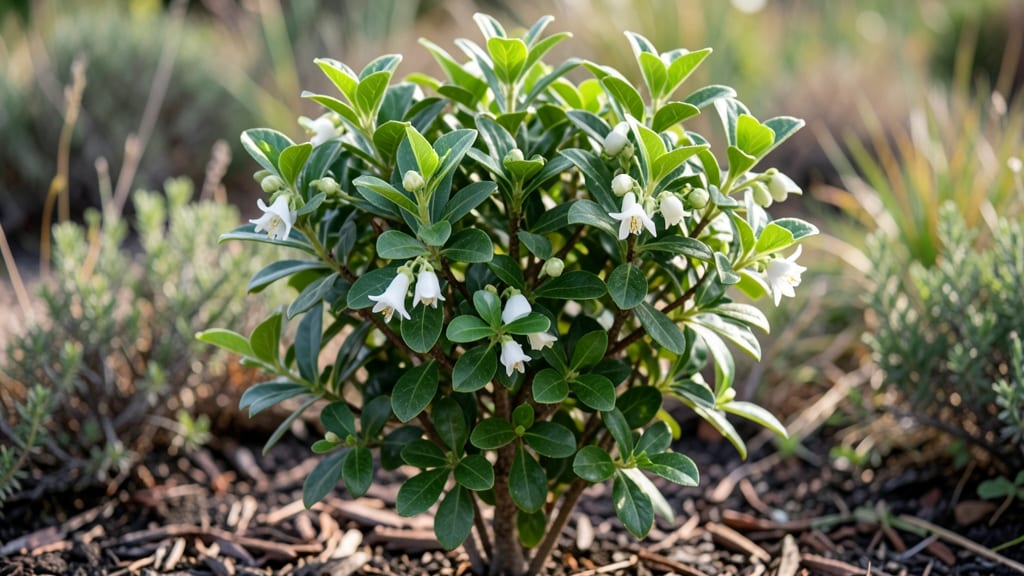
Blueberry flower buds are the secret to a bountiful harvest, and I’ve learned the dormant-season tricks that turn fragile buds into clusters of vibrant blooms. 🌿 Those tiny red or green specks on last year’s wood are where next year’s fruit begins—if you protect and nurture them now, you’ll see a garden bursting with white blossoms by spring.
The key is timing and temperature. Too much frost can blacken buds, while inconsistent moisture stresses them. I’ve found that wrapping young bushes in burlap during hard freezes and mulching heavily with straw keeps them safe through winter’s worst.
Even a simple layer of leaves around the base helps retain moisture when spring rains stall.
By late winter, you’ll spot plump buds ready to burst. A light pruning of dead wood opens airflow, while avoiding heavy cuts prevents stress. The payoff?
Bushes that flower earlier, set more fruit, and produce berries for weeks instead of just a few days. Your patience now means summer snacks later.
Works for rabbiteye, highbush, and lowbush varieties alike—just adjust timing for your zone. Here’s how to keep those buds thriving until bloom day arrives.
📚 In This Guide
- What you need
- Instructions
- Tips and common mistakes
- Wrapping up and next steps
What you need
- ● Pruning shears or loppers – Sharp, clean, and sterilized (alcohol wipes or bleach solution). Quantity: 1 pair (or 1 set per 5 bushes).
- ● Disinfectant solution – 70% isopropyl alcohol or 10% bleach-water mix (1:9 ratio). Quantity: Small spray bottle or bowl.
- ● Gloves – Garden or nitrile gloves (to protect from thorns and sap). Quantity: 1 pair.
- ○ Pruning sealant (optional but helpful) – Wound dressing or beeswax-based sealant (for large cuts). Quantity: Small jar.
- ● Mulch – Pine straw, wood chips, or shredded leaves (2–3 inches deep). Quantity: Enough to cover the base of 1–2 bushes.
- ● Dormant oil or horticultural spray – For pest/disease prevention (e.g., neem oil or copper fungicide). Quantity: 1–2 sprays per bush.
- ● Watering can or hose with nozzle – For post-pruning hydration (gentle spray setting).
- ● Pruning saw – For thick, woody stems (if your bushes are mature).
- ● Label markers – To tag pruned branches or varieties.
- ● Reflective mulch or frost cloth – For late-winter protection in cold climates.
- ● Compost or fertilizer – Balanced 10-10-10 or acidic fertilizer (apply post-pruning in early spring).
- ● Hand lens or magnifying glass – To inspect buds for pests/diseases up close.
Step-by-Step instructions for encouraging blueberry flower buds
Here's how to coax vibrant spring blooms from your bushes—dormant season is the secret weapon.
🌱 Step 1: Prune for Next Year's Flowers
Start by removing dead, diseased, or crossing branches—these steal energy from bud formation. I use clean, sharp pruners to make 45-degree cuts just above outward-facing buds. This opens the plant's center to sunlight, which blueberries crave for bud development.
Focus on last year's growth—anything older than two years won't produce well. You'll know you're on track when the bush has an open, vase-like shape with no crowded stems. Prune on a dry day to prevent fungal spread, and sterilize your tools with rubbing alcohol between cuts.
✂️ Step 2: Thin Out Overcrowded Bud Clusters
Blueberry flower buds form in tight clusters, but too many compete for resources. Gently examine each cluster and remove every other bud, leaving the largest, healthiest ones. This might seem harsh, but it guarantees stronger blooms that actually fruit.
Use your fingers to pluck buds—no need for pruners. You're aiming for spaced-out clusters with 3-5 buds per stem. If your bush has more than 10 buds per stem, thin aggressively. This step prevents weak, sparse blooms and ensures each flower gets proper nutrients.
💧 Step 3: Apply a Winter Mulch Layer
Spread 3-4 inches of organic mulch (like shredded bark or pine needles) around the base, keeping it 6 inches away from the trunk. This insulates roots from freezing temperatures while allowing moisture to penetrate. Blueberries need consistent soil moisture during dormancy to set next year's buds.
Water the bush deeply before mulching—soil should be damp 6 inches down. Avoid synthetic mulches; they don't break down and can suffocate roots. Check mulch depth annually—it decomposes over time. This winter prep is what triggers bud formation in spring.
☀️ Step 4: Fertilize for Bud Formation
In early spring, when buds swell but haven't opened, apply a balanced 10-10-10 fertilizer (using the amount recommended for your bush size). Blueberries need phosphorus to develop strong flower buds. Scatter granules evenly under the drip line and water deeply to activate them.
I avoid high-nitrogen fertilizers now—they promote leaf growth at the expense of blooms. Look for buds that are plump and reddish (a sign of healthy development). If your soil is acidic (pH 4.5-5.5), add sulfur or peat moss to maintain optimal conditions. This is the make-or-break step for bud success.
⏰ Step 5: Protect Buds from Late Frost
Cover bushes with frost cloth when nighttime temps drop below 28°F. Secure edges with bricks or stakes to prevent wind damage. Blueberry buds are extremely frost-sensitive—even a light freeze can kill them before they bloom.
Remove covers by 10 AM once temps rise above freezing. Monitor weather forecasts and act quickly—buds can go from safe to damaged in hours. If you see blackened or shriveled buds, prune them off immediately to redirect energy to healthy growth. Patience here pays off with a bush full of blooms by spring.
Tips & tricks for encouraging blueberry flower buds
Here's what nobody tells you about dormant season prep that makes all the difference between a few sad blooms and a bush bursting with flowers.
Pruning Precision: When making those 45-degree cuts in Step 1, aim for the "bud eye" facing outward—this is where next year's growth will emerge. I learned this the hard way after ruining three bushes by cutting too close to buds. The outward-facing angle ensures sunlight reaches the center, which blueberries absolutely crave for bud development. Use a sharp pair of pruners and make clean cuts to prevent tearing the bark, which can introduce diseases.
Bud Thinning Strategy: In Step 2, don't be afraid to get aggressive with thinning—if you see more than 10 buds on a single stem, you're better off removing half of them. The goal is to leave the largest, healthiest buds spaced about 3-5 inches apart. I think this works because it forces the plant to concentrate its energy on fewer, stronger buds rather than spreading itself too thin. This is where you'll see the biggest payoff in spring blooms.
Mulch Depth Matters: That 3-4 inch mulch layer in Step 3 isn't just for looks—it's insulation for your blueberry roots. I recommend checking mulch depth annually because organic materials decompose over time. If you notice your mulch has settled below 2 inches, add more before winter sets in. The key is maintaining that consistent soil moisture while protecting roots from freezing temperatures.
Frost Protection Hack: For Step 5, I've found that securing frost cloth with bricks or heavy rocks works better than staples—it prevents wind from tearing the fabric. The critical temperature to watch is 28°F, but I start covering when forecasts predict overnight lows below 32°F to be extra safe. Remove covers by 10 AM to prevent overheating, and always check buds after frost events—blackened buds won't bloom, so prune them off immediately to redirect the plant's energy.
Pro Tips for Blueberry Flower Buds
- Here's what nobody tells you about dormant season prep that makes all the difference between a few sad blooms and a b...
- Pruning Precision: When making those 45-degree cuts in Step 1, aim for the "bud eye" facing outward—this is where nex...
- Bud Thinning Strategy: In Step 2, don't be afraid to get aggressive with thinning—if you see more than 10 buds on a s...
Frequently asked questions
Got questions about nurturing those precious blueberry flower buds? You’re not alone! Here are some of the most common queries—and the answers to help you set your bushes up for a showstopping spring bloom.
When should I prune blueberry bushes to protect flower buds?
Prune blueberry flower buds in late winter or early spring before buds break dormancy (usually 4–6 weeks before last frost). Focus on removing dead wood, crossing branches, and thinning out crowded stems to improve airflow. Avoid heavy pruning now—you’ll risk cutting off next year’s blooms! Pro tip: Use sharp, clean shears and sterilize them with rubbing alcohol to prevent disease.
How do I protect blueberry flower buds from late frosts?
Late frosts can kill emerging buds, but you can shield them with frost cloths or row covers. Install them at dusk and remove them by 10 AM to avoid overheating. For severe frost risks, use overhead sprinklers—water releases heat as it freezes, creating a protective ice layer. Pro tip: Monitor local frost forecasts and act fast!
Can I still get blueberries if I accidentally prune off flower buds?
Don’t panic! Blueberries are perennial, meaning new buds form on last year’s wood and current season’s growth. While you’ll lose some yield, healthy bushes bounce back. Focus on post-pruning care: water deeply, fertilize with acidic soil amendments (like peat moss), and avoid stressing the plant. Pro tip: If >50% of buds are gone, prioritize fruit-bearing branches next year.
What’s the best way to encourage more flower buds next season?
Healthy, well-fed bushes produce more buds! Ensure your blueberries get:
- Full sun (6+ hours daily)
- Acidic soil (pH 4.5–5.5; test with a kit)
- Balanced fertilizer (high in nitrogen early in the season, then switch to phosphorus/potassium for blooms)
- Consistent moisture (1–1.5 inches/week)
Why are my blueberry flower buds drying out or turning brown?
Brown, dried buds often signal fungal diseases (like mummy berry) or environmental stress (drought, extreme heat). Improve airflow by pruning, water deeply but infrequently, and apply copper fungicide preventatively in early spring. If buds are mummified (shriveled), remove them immediately to stop spread. Pro tip: Inspect bushes in fall for overwintering pathogens and clean up debris.
Wrapping up and next steps
Blueberry flower buds are the promise of a bountiful harvest, and with the right dormant-season care, you can set your plants up for stunning spring blooms and juicy berries.
From pruning to mulching and winter protection, these small steps make a big difference—so roll up your sleeves and give your bushes the TLC they deserve! 🌱
Ready to take action? Start by inspecting your bushes this fall—identify any dead wood, plan your pruning schedule, and gather your supplies. The earlier you begin, the more vibrant your blueberry blooms will be next spring. Happy gardening! 🌸