Blooming
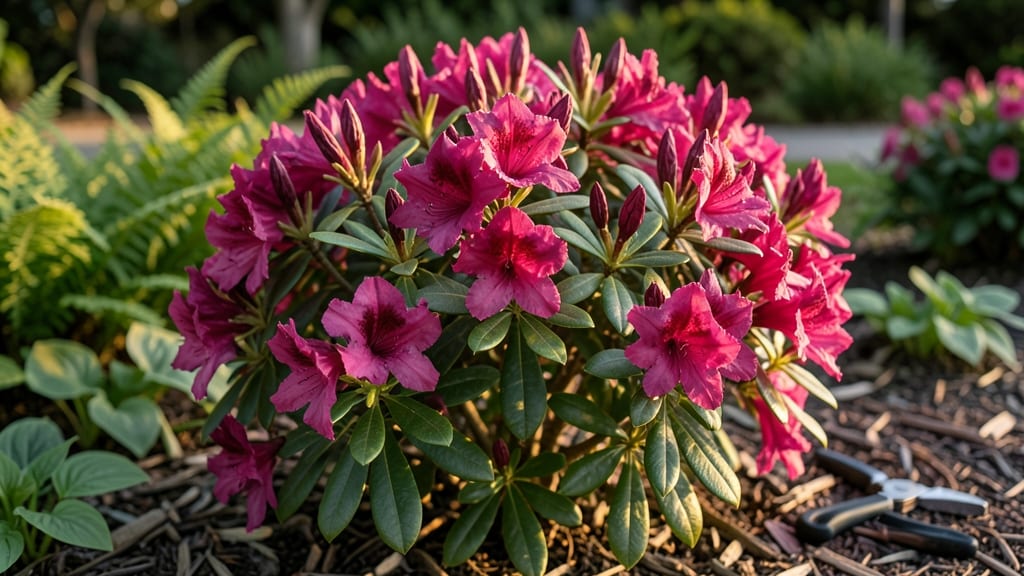
Azalea flowering time depends on variety and climate, but most bloom in late spring—think April through early June—when the air hums with color 🌸.
Ever stared at your azaleas in March, willing them to wake up? You’re not alone. The truth is, these shrubs need a little patience—and the right conditions—to burst into their showstopping display. Some varieties even bloom earlier or later, depending on where you live.
From early spring bloomers in warmer zones to late-season varieties that wait until June, knowing your azalea’s schedule means you’ll never miss the magic. Below, I’ll break down the exact months for each type, plus the care secrets to keep them blooming year after year.
Ready to turn your yard into a springtime spectacle? Here’s how to time everything—from planting to pruning—for the most stunning azalea blooms possible.
Azalea flowering time by variety: exact months for peak blooms
Timing your azalea care around their peak bloom windows makes all the difference. Different varieties burst into color at specific times, often shifting by 2-4 weeks depending on your USDA zone.
Early bloomers like 'Girard's Pink' might reward you with late March flowers, while late-season varieties like 'Broughton Star' wait until late May. Knowing these exact windows helps you plan pruning, fertilizing, and even seasonal color displays.
Your local climate plays a huge role—warmer southern zones (7-9) see blooms 2-3 weeks earlier than cooler northern zones (6). For example, 'Hino Crimson' blooms in mid-April in Zone 7 but may wait until early May in Zone 6.
Even microclimates (like urban heat islands) can shift bloom times by 10 days. Use these variety-specific timelines as your gardening compass.
🌸
| Variety | Peak Bloom Window (Zone 6) | Peak Bloom Window (Zone 7-9) | Notes |
|---|---|---|---|
| Rhododendron 'Girard's Pink' | Late March - Early April | Early March - Mid-March | Early bloomer; needs winter chill |
| Rhododendron 'Hino Crimson' | Mid-April - Early May | Late March - Early April | Classic spring bloomer; loves humidity |
| Rhododendron 'Broughton Star' | Late May - Early June | Mid-May - Late May | Late-season; thrives in heat |
| Rhododendron 'George L. Taber' | Early April - Mid-April | Late March - Early April | Dwarf variety; great for containers |
| Rhododendron 'Nancy Evans' | Mid-May - Early June | Late April - Mid-May | Late bloomer; loves afternoon shade |
| Rhododendron 'Pink Pearl' | Late April - Early May | Early April - Mid-April | Compact; great for borders |
If you're in Zone 6, mark your calendar for late March through June—this is when most azaleas put on their best floral show.
In warmer zones (7-9), the bloom season stretches from early March to late May, giving you a longer window to enjoy their vibrant colors. For example, 'Girard's Pink' might bloom in mid-March in Zone 8 but wait until late March in Zone 7.
Pro tip: Plant early, mid, and late-season varieties together to create a continuous bloom display from March through June. Pair 'Girard's Pink' (early) with 'Hino Crimson' (mid) and 'Broughton Star' (late) for a non-stop color parade.
This sequential blooming strategy works especially well in landscape designs where you want year-round interest.
Your local microclimate can shift bloom times by 1-2 weeks. Urban areas with heat islands often see earlier blooms, while cooler mountain valleys may delay flowers until late April or May.
Pay attention to last frost dates—azaleas hate late spring frosts, which can damage delicate buds. In Zone 6, protect late bloomers like 'Nancy Evans' with frost cloth if temperatures dip below 28°F.
🌿
For container-grown azaleas, bloom times can shift by 10 days or more compared to in-ground plants. Containers dry out faster and heat up more quickly, which can advance blooming by 1-2 weeks.
If your potted azalea blooms earlier than expected, it might be a sign of overheating roots. Move containers to shadier spots in summer and water more frequently to maintain consistent moisture levels.
One common mistake is assuming all azaleas bloom at the same time. Even within the same variety, individual plants may bloom 2-
How to extend azalea flowering season: pruning, fertilizing, and care tips
Azaleas are stunning spring stars, but their blooming season doesn’t have to be short-lived. With the right care, you can encourage longer-lasting blooms and even coax a second flush of flowers. The secret lies in understanding when to prune, how to fertilize, and adjusting their environment for continuous growth.
Let’s dive into the proven techniques that will keep your azaleas looking their best from early spring into summer.
Most azaleas bloom for 4-6 weeks naturally, but with strategic care, you can stretch that to 8-12 weeks or more. The key is balancing pruning timing, nutrient supply, and light exposure.
For example, late-season varieties like ‘George L. Taber’ often produce a second bloom if given the right conditions. Start by mastering these foundational steps to maximize your azalea’s potential.
- 1. Prune after flowering – Always wait until after blooms fade (late spring) to prune. This ensures next year’s flower buds form properly on old wood.
- 2. Feed with acid-loving fertilizer – Use a 10-10-10 or 8-3-9 formula in early spring and again after blooming to support bud formation.
- 3. Water deeply but infrequently – Aim for 1-2 gallons per plant weekly during dry spells, but avoid soggy soil to prevent root rot.
- 4. Provide morning sun, afternoon shade – Too much direct sun can scorch blooms, while too little light weakens growth. A 50% shade cloth helps in hot climates.
- 5. Mulch with pine needles or bark – This keeps roots cool, retains moisture, and slowly releases nutrients. Avoid thick layers that suffocate roots.
Timing your pruning correctly is critical. If you prune in early spring (before buds form), you risk removing next year’s flowers. Instead, prune right after blooming (May-June) to shape the shrub and encourage new growth.
For late-season varieties, a light pruning in early fall can stimulate a second flush of buds, especially in warmer climates.
Fertilizing plays a huge role in extending blooms. Azaleas thrive on acidic fertilizers with balanced NPK ratios. Apply a slow-release granular fertilizer in early spring (March) and again after flowering (July) to fuel bud development.
Avoid high-nitrogen fertilizers, which promote leafy growth at the expense of blooms. A 1 tbsp per plant is plenty—more won’t speed up flowering but can harm roots.
Light exposure is often overlooked but makes a world of difference. Azaleas need morning sunlight for energy but afternoon shade to prevent wilting. If your azaleas are in a hot, sunny spot, consider dappled shade or a light shade cloth during peak afternoon heat.
This small adjustment can preserve blooms for weeks longer. For container-grown azaleas, move them to a sheltered spot during heatwaves to protect delicate petals.
Finally, don’t forget about mulching. A 3-inch layer of pine bark or needles around the base keeps roots cool, retains moisture, and mimics their natural woodland habitat. This simple step reduces stress on the plant, allowing it to focus energy on producing more flowers.
Just be sure to keep mulch 2-3 inches away from the trunk to prevent rot.