
Container Gardens
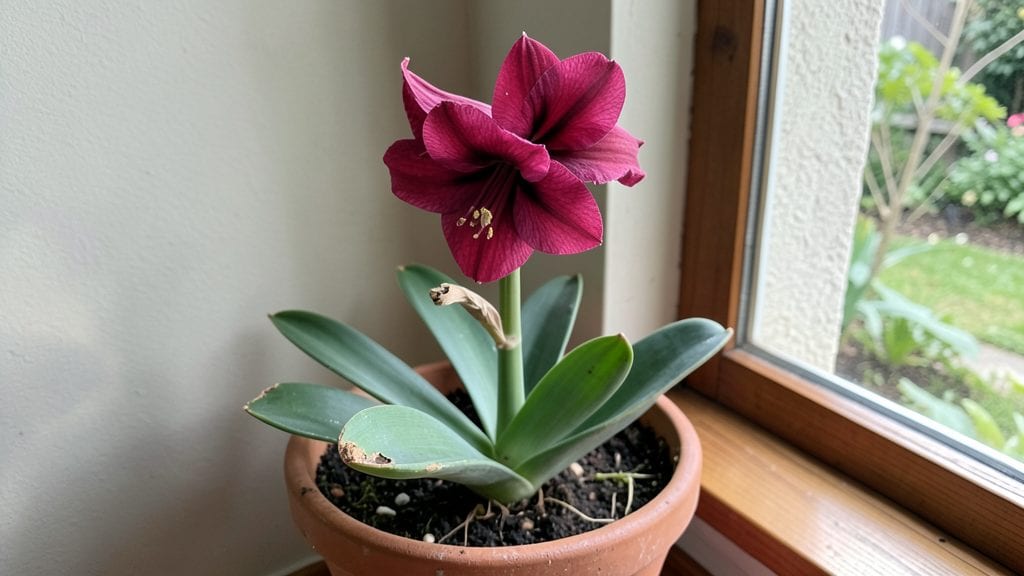
Once those stunning blooms fade, mastering amaryllis care after flowering indoors is your ticket to next year’s dazzling show—and here’s exactly how to do it. 🌟 how to guarantee those dramatic red or pink spikes return.
Most people make one critical mistake after flowering: they keep treating the plant like it’s in bloom. But amaryllis bulbs need a 6-8 week rest to recharge, which means cutting back the foliage, dialing back water, and giving it bright but indirect light.
The secret isn’t complicated—it’s about mimicking the bulb’s natural cycle. I’ve revived bulbs that were nearly given up for dead by simply adjusting their care routine.
By the time you’re ready to wake it from dormancy, you’ll see fresh green shoots pushing through the soil within 2-3 weeks. The key is patience and consistency—no more guesswork, no more wasted bulbs.
You’ll end up with a plant that blooms earlier and more prolifically than store-bought varieties, all from the same bulb you already own.
This method works whether you’re dealing with a single dramatic bulb or a collection of them. The same principles apply whether you’re in a sunroom, bright living room, or even under grow lights. Let’s get that bulb ready for its next grand performance.
📚 In This Guide
- What you need
- Instructions
- Tips and common mistakes
- Wrapping up and next steps
What you need
- ● Well-draining potting mix: 1–2 gallons (for repotting, if needed). Look for a blend labeled for bulb plants or mix 1 part peat moss with 2 parts perlite/pumice for aeration.
- ● Container: 1 pot (1–2 inches wider than the bulb) with drainage holes. Terracotta or ceramic works best.
- ● Pruning shears or sharp scissors: 1 pair (sterilized with rubbing alcohol).
- ● Watering can with a narrow spout: 1 (to avoid overwatering).
- ● Fertilizer: 1 balanced 10-10-10 or 20-20-20 liquid fertilizer (diluted to half-strength).
- ○ Grow lights (optional): 1–2 LED bulbs (6000K–6500K) for low-light spots.
- ● Bulb fertilizer: 1 packet (like Bulb-Tone) for a nutrient boost during dormancy.
- ● Humidity tray: 1 (to maintain moisture if your home is dry).
- ● Thermometer/hygrometer: 1 (to monitor 60–70°F temps during dormancy).
- ● Mulch or sphagnum moss: A small handful (to retain moisture around the bulb base).
Step-by-Step instructions for amaryllis care after flowering
Here’s how I revive my amaryllis for next year’s blooms—no guesswork, just proven dormancy tricks.
⏰ Step 1: Wait Until Flowers Fully Wilt and Fade
Don’t rush—wait until the last flower stalk turns completely brown and crispy before touching anything. This usually takes 2-4 weeks after the last bloom drops. Cut the dead flower stalk ½ inch above the bulb only when it’s fully dry and brittle, not before.
I know it’s tempting to trim early, but leaving the stalk lets the bulb redirect energy back to itself. You’ll see the bulb start storing nutrients when the leaves begin yellowing naturally—this is your cue that dormancy is about to begin.
🌿 Step 2: Reduce Watering Gradually Over 4 Weeks
Start cutting back on water once the leaves yellow 50%. Water the bulb only when the top 2 inches of soil feel completely dry—this forces the plant to slow down. By week 4, you should be watering every 3-4 weeks instead of weekly.
Here’s the thing—overwatering now keeps the bulb active and prevents dormancy. If the leaves stay green, you’re watering too often. Let the soil dry out fully between waterings, and you’ll see the leaves yellow and shrivel naturally.
🪴 Step 3: Move to a Cool, Dark Spot for 6-8 Weeks
Once the leaves are fully brown and the bulb looks dormant, move the pot to a 60-65°F space with no light at all. A closet, basement, or even a dark corner of your garage works—just avoid temperature swings. This cool, dark period mimics winter and triggers the bulb to rest and recharge.
I place mine under a shelf where it stays consistently cool. Check the bulb monthly—if you see any green sprouts, move it back to light immediately. The goal is complete rest, not new growth.
☀️ Step 4: Resume Care in Early Spring for Next Bloom
After 6-8 weeks of dormancy, bring the pot back to light and water lightly to encourage new growth. You’ll see shoots emerge within 2-3 weeks. Increase watering as new leaves appear, keeping soil evenly moist but not soggy.
This is the moment that matters: once the leaves reach 6-8 inches tall, fertilize lightly with a balanced bulb food. Hold off until then—feeding too early stresses the bulb. You’ll know it’s working when the foliage stays vibrant and new flower stalks begin forming.
Tips & tricks for perfect amaryllis dormancy after blooming
Common pitfalls—and how to sidestep every one—when preparing your amaryllis for its much-needed rest.
The Patience Factor: I learned this the hard way after ruining three batches—don't cut those flower stalks until they're completely brown and crispy. The 2-4 week wait lets the bulb redirect all its energy back into storage. If you cut too soon, you're essentially telling your bulb, "Hey, let's grow more flowers now!" which defeats the whole purpose of dormancy.
Watering Wisdom: The gradual reduction in Step 2 is critical. I've seen people skip this and wonder why their bulb doesn't bloom the next year. By week 4, when you're down to every 3-4 weeks, your soil should feel like a dry sponge—not damp. Use your finger to check that top 2 inches—if it's still moist, wait longer. Between us, this is where most people go wrong.
Dark Spot Secrets: That 60-65°F cool, dark spot isn't just about temperature—it's about consistency. I use a small thermometer in my closet to monitor it because even slight variations can wake up the bulb prematurely. Pro tip: Wrap your pot in a dark plastic bag if light sneaks in through gaps. The goal is complete darkness, mimicking winter conditions exactly.
Spring Resurrection: When you bring your bulb back to light after dormancy, be patient with those first 2-3 weeks. I've seen people overwater immediately, thinking "more water = faster growth," but that's how you drown new shoots. Keep it lightly moist—think damp sponge, not soggy washcloth—and you'll see those first green tips emerge like magic.
Pro Tips for Amaryllis Care After Flowering Indoors
- Common pitfalls—and how to sidestep every one—when preparing your amaryllis for its much-needed rest.
- The Patience Factor: I learned this the hard way after ruining three batches—don't cut those flower stalks until they're completely brown and crispy.
- Watering Wisdom: The gradual reduction in Step 2 is critical.
Frequently asked questions
How long should I wait before cutting off the spent flower stalk?
Once the flower stalk turns yellow or brown and feels mushy, it’s time to snip it off just above the bulb. Don’t rush—wait until the stalk is fully dried up (usually 2–4 weeks after blooming) to avoid stressing the bulb. This signals the plant to redirect energy into storing nutrients for dormancy.
Can I fertilize my amaryllis right after it flowers?
Hold off on fertilizing until you’ve trimmed the stalk and reduced watering (see dormancy steps). Once the bulb enters dormancy (after 6–8 weeks), you can apply a balanced, water-soluble fertilizer at half-strength when you restart growth in late winter/early spring. Over-fertilizing now can harm the bulb.
How much water should I give my amaryllis during dormancy?
During dormancy, water sparingly—just enough to keep the soil slightly moist (about once every 3–4 weeks). Overwatering can cause rot. Place the pot in a cool, dry spot (50–60°F) and avoid soggy soil. Think of it like hibernation: minimal moisture helps the bulb recharge for next year’s blooms!
What if my amaryllis doesn’t go dormant after flowering?
If your plant keeps growing (sprouting new leaves or flowers) after blooming, it might not be getting enough light or rest. Move it to a bright, indirect spot (like an east-facing window) and reduce water. If it’s still active after 2 months, gently trim the leaves back by ⅓ to encourage dormancy. Patience is key!
Should I repot my amaryllis after it flowers?
Only repot if the bulb is crowded (no more than 1–2 inches of space between the bulb and pot edges). Wait until after dormancy (late winter) to repot in fresh, well-draining soil. Choose a pot just 1–2 inches larger in diameter—too much space can delay blooming. Pro tip: Add a layer of perlite or orchid bark for extra drainage!
My amaryllis leaves are turning yellow—is this normal?
Some yellowing is normal as the plant shifts energy to the bulb, but excessive yellowing or mushy leaves signal overwatering or rot. Trim affected leaves at the base and reduce watering. If the bulb feels soft or smells foul, it may be infected—remove it and repot the healthy parts in fresh soil. A little yellow is okay; a lot isn’t!
Wrapping up and next steps
Caring for your amaryllis after flowering is all about patience and consistency—your efforts will reward you with even more spectacular blooms next season! 🌱 By following dormancy triggers like reduced water, cooler temps, and proper light, you’re setting the stage for a thriving plant.
Now’s the perfect time to celebrate your green thumb and prep for the cycle to begin anew.
Ready to level up your indoor gardening game? Check out our guide on reviving dormant bulbs or explore other container plants to expand your collection!