
Blooming
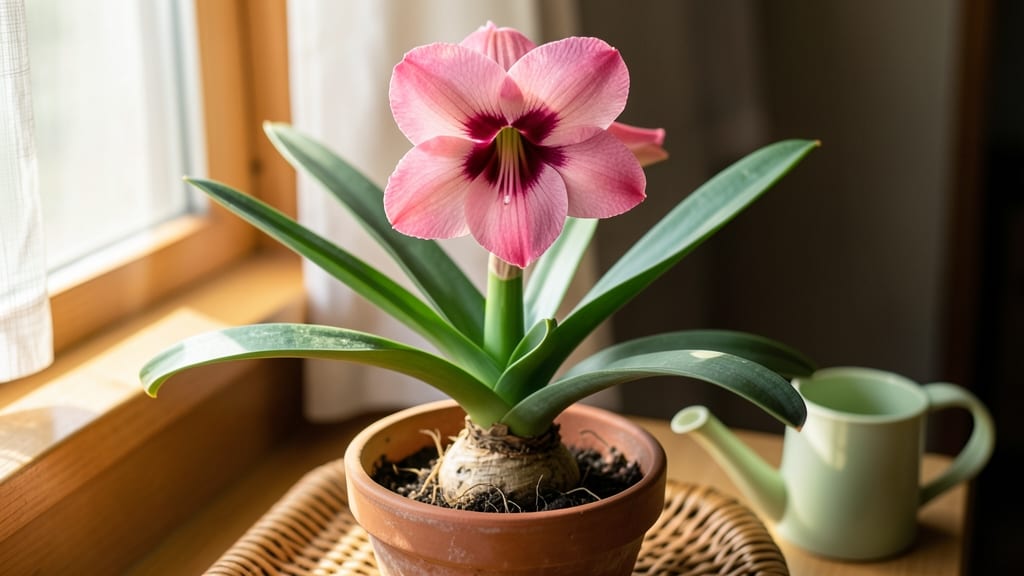
Timing your amaryllis flowering time indoors 🌸 means Christmas blooms that steal the show—and it all starts with a 6-8 week forcing window.
Imagine unwrapping a stunning amaryllis bloom—right in time for Christmas! With the right timing and care, you can force these dramatic flowers to bloom indoors, transforming your home into a festive display. But when exactly will your amaryllis flower, and how can you control its schedule?
Most amaryllis bulbs bloom naturally in late winter or early spring, but forcing them for Christmas requires strategic planting between August and October.
The key lies in balancing light, temperature, and dormancy—too much heat or darkness delays blooms, while precise conditions trigger vibrant 6-inch stems topped with 6-inch flowers.
Below, I’ll break down how to calculate your bloom date, adjust care for seasonal shifts, and troubleshoot common delays—so you’re not left with a bare bulb in December.
Understanding amaryllis flowering time: natural vs forced blooming cycles
Amaryllis bulbs follow a natural blooming cycle that typically occurs in late spring to summer if planted outdoors in warmer climates. However, gardeners often force these bulbs indoors to bloom during the holidays, particularly Christmas.
The key difference lies in timing and environmental control, which allows you to override the plant's natural rhythm.
When grown outdoors in USDA zones 9-11, amaryllis naturally blooms between March and May. But with indoor forcing techniques, you can trick the bulb into flowering during winter holidays.
This process requires precise temperature control, light exposure, and planting timing to achieve the desired results.
The 6-8 week forcing period is critical for achieving Christmas blooms. To calculate your planting date, simply count backward from your desired bloom date.
For example, if you want blooms by December 15th, plant your bulb around October 15th to allow sufficient time for root development and flower stalk formation.
During the forcing process, amaryllis bulbs require bright indirect light for 12-14 hours daily. Place your potted bulb near a south-facing window or under grow lights to prevent elongated stems. Insufficient light causes leggy stems and smaller blooms, while too much direct sun can scorch the leaves.
Temperature plays a crucial role in forcing amaryllis. Maintain 65-70°F daytime temperatures and allow 10-15°F cooler nights to stimulate blooming. Avoid placing bulbs near heating vents or drafty windows, as temperature fluctuations can delay flowering or cause buds to drop.
One common misconception is that amaryllis bulbs will bloom immediately after planting. In reality, they need 6-8 weeks of consistent care before producing flower stalks.
The first visible sign of success is a 2-3 inch tall stem emerging from the bulb, followed by the rapid growth of the flower bud.
After blooming, your amaryllis enters a dormancy period where the leaves yellow and die back. This is normal! To encourage a second bloom in spring, reduce watering and place the bulb in a cool, dark location for 8-10 weeks.
Then, resume watering and move it to bright light to stimulate new growth.
For gardeners in cooler climates (zones 3-8), amaryllis must be grown as houseplants year-round. The same forcing techniques apply, but you'll need to use grow lights during winter months when natural light is limited.
This ensures your amaryllis receives the 12+ hours of light it needs for optimal blooming.
Remember that each amaryllis bulb typically produces 2-6 flowers per stalk, with each bloom lasting 5-7 days. With proper care, your forced amaryllis can provide indoor color for 2-3 weeks, making it a worthwhile holiday centerpiece that continues to thrive long after the decorations come down.
Step-by-step guide to force amaryllis for Christmas flowering
Forcing amaryllis bulbs to bloom by Christmas is all about timing and environmental control. These stunning flowers need 8-10 weeks of careful nurturing to transform from dormant bulbs into vibrant Christmas centerpieces.
The key is starting your bulbs in late October or early November—just enough time to see those dramatic blooms by December 25th.
Once you’ve chosen healthy bulbs, the process involves strategic planting, precise light exposure, and consistent watering habits. Unlike outdoor planting, forcing amaryllis indoors requires mimicking their natural growing conditions in a controlled setting.
Let’s break it down into simple steps to guarantee your amaryllis will bloom right when you need them.
Choose Your Bulbs
Select healthy, firm bulbs with no soft spots or mold. Smaller bulbs (6-8 inches tall) are ideal for forcing—larger ones may produce fewer blooms or require deeper pots.
Plant in Well-Draining Soil
Fill a pot with 1-2 inches of moist potting mix, place the bulb with its neck above soil, and fill the rest with mix, leaving the top third exposed. Use a pot 2-3 inches wider than the bulb.
Place in Bright, Indirect Light
Position your pot near a south-facing window or under grow lights for 6-8 hours of light daily. Avoid direct sun, which can scorch leaves. Rotate the pot weekly for even growth.
Water Consistently
Keep soil moist but not soggy. Water when the top 1 inch feels dry, using room-temperature water. Empty saucers after watering to prevent root rot.
Maintain Humidity
Boost humidity by placing the pot on a pebble tray with water or using a humidifier nearby. Aim for 40-50% humidity—dry air can cause bud drop.
Troubleshoot Common Issues
If leaves yellow, reduce watering. For no blooms, ensure 12+ hours of darkness daily (cover with a box at night). Drooping buds mean too little water or light.
Once your amaryllis blooms, enjoy its beauty for 7-10 days before the flowers fade. To encourage future blooms, continue caring for the foliage by placing the pot in bright light and watering regularly until leaves yellow naturally.
Afterward, let the bulb rest in dry soil for 8-10 weeks before forcing again.
With this method, you’ll have reliable Christmas blooms year after year, turning your home into a festive haven. The secret? Patience and attention to light, water, and timing—just like nature intended! 🌸