Planting
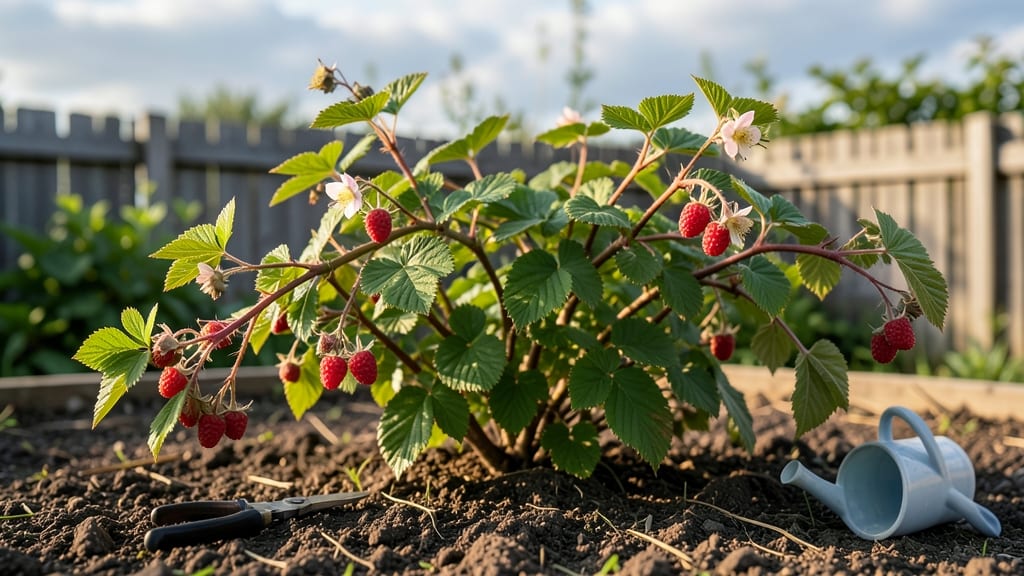
Raspberry plant flowers are the secret to your harvest—without them, no berries. 🌸 I’ve watched my raspberry canes go from scraggly to productive just by understanding when and how to prune those delicate clusters, and I’m sharing exactly what works.
The difference between a handful of berries and bushels comes down to timing, light, and a few strategic cuts.
Most gardeners miss the mark by pruning at the wrong time or cutting too aggressively. Raspberries bloom on new wood, so last year’s growth is key—you’ll need to identify last season’s canes (they’re thicker) and this year’s (thinner, more flexible).
A sharp pair of pruners and a sunny spot with at least 6 hours of light are all you truly need to get started. Fertilizer helps, but the real magic happens in the pruning schedule.
When done right, you’ll see pink flower clusters appear in early spring, followed by berries in 6-8 weeks. The plants reward careful pruning with heavier yields and fewer diseased canes.
Even in colder zones, you can extend the season by protecting new growth. The first flush of berries is the sweetest payoff for a little winter prep.
Here’s the catch: summer-bearing varieties need one final pruning after harvest to encourage next year’s flowers. Ever-bearing types are more forgiving but still benefit from deadheading spent blooms. Whether you’re dealing with floppy canes or stubborn non-flowering growth, I’ve got the fixes that actually work—no guesswork involved.
📚 In This Guide
- What you need
- Instructions
- Tips and common mistakes
- Wrapping up and next steps
What you need
- ● Raspberry canes: 3–5 healthy, dormant canes (bare-root or potted) of your preferred variety (e.g., Heritage, Boyne, or Caroline). Check for firm stems and plump buds!
- ● Well-draining soil: 2–3 cubic yards of a mix of 60% topsoil, 30% compost, and 10% perlite or coarse sand (for drainage). Aim for a pH of 5.5–6.5.
- ● Fertilizer: Balanced 10-10-10 fertilizer (1–2 lbs per 100 sq ft) for planting.
- ● Slow-release organic fertilizer (e.g., fish emulsion or composted manure) for ongoing feeding.
- ● Pruning tools: Bypass pruners (for clean cuts).
- ● Loppers (for thicker canes).
- ● Disinfectant (rubbing alcohol or bleach solution) to sterilize tools between cuts.
- ● Support system: 6–8 ft tall T-posts or stakes (4–6 inches in diameter) + jute twine or wire (for trellising).
- ● Mulch: 2–3 inches of straw or wood chips to retain moisture and suppress weeds.
- ● Watering supplies: Drip irrigation system or soaker hose (1–2 gallons per plant, 2–3 times per week).
- ● Epsom salt: 1 tbsp per gallon of water (monthly spray for magnesium boost during flowering).
- ● Plant growth regulators: (e.g., Paclobutrazol) to encourage bushier growth (follow label instructions!).
- ● Row cover or frost cloth: For extending the growing season in cooler climates.
- ● pH test kit: To monitor soil acidity and adjust as needed.
- ● Garden journal: To track pruning dates, blooms, and fruit production!
Step-by-Step guide to encouraging year-round raspberry blooms
Here’s how to coax abundant raspberry flowers through every season—no matter your climate.
🌱 Step 1: Prune for Light and Airflow
Start by removing any dead, diseased, or crossing canes—these block sunlight and invite fungal growth. I cut back to the ground anything that looks weak or blackened, using sharp pruners to avoid tearing bark. For established plants, keep only the 6-8 strongest canes per plant, spacing them evenly around the center. This ensures each cane gets 6+ hours of direct sun daily, which is critical for flower production.
Watch for canes growing toward the center—they’ll never get enough light to bloom. Thin these out first. You’ll see a dramatic difference in flower density within a few weeks of proper pruning. The goal is to mimic a natural forest understory, where sunlight filters through the canopy.
☀️ Step 2: Adjust Light Exposure Strategically
Raspberries need full sun to set flowers, but in hot climates, afternoon shade prevents scorching. If your plants are in a hotter zone (USDA 8+), move them to dappled shade after 2 PM. In cooler regions, supplement winter light with a grow light positioned 12 inches above the plant for 14 hours daily.
You’ll know the light is right when new growth emerges with deep green leaves and no yellowing. If leaves turn pale or stretch toward the light, you’re not providing enough intensity. Adjust the grow light height weekly as the plant grows—too close causes leaf burn, too far makes stems leggy.
💧 Step 3: Water Deeply at Key Times
Water raspberries deeply 1-2 times per week, targeting the root zone rather than the foliage. I use a soaker hose to deliver 1-2 gallons per plant, ensuring moisture reaches 12 inches deep. The soil should feel damp but not soggy—think of a wrung-out sponge. Overwatering in winter causes root rot, while drought stress in summer halts flowering.
Watch for wilting leaves in the afternoon—that’s your cue to water immediately. Mulch with 3-4 inches of straw to retain moisture and regulate soil temperature. In containers, check soil moisture daily, as potted plants dry out faster. The key is consistency: raspberries flower best when their roots stay evenly moist.
✂️ Step 4: Fertilize for Flower Production
Apply a balanced 10-10-10 fertilizer in early spring, then switch to a low-nitrogen, high-phosphorus formula (5-10-10) when buds form. I scatter granules around the drip line and water them in immediately. Phosphorus is the secret to strong flower development—it’s what builds those energy-rich blooms. Avoid high-nitrogen fertilizers now, or you’ll get leafy growth at the expense of flowers.
You’ll notice buds swell and turn pinkish within 4-6 weeks*. If flowers drop off before fruiting, it’s usually a calcium deficiency. Add 1 tablespoon of crushed eggshells per plant monthly to prevent blossom end rot. The goal is to feed the plant just enough to support continuous blooming without overloading it.
🌿 Step 5: Protect Flowers from Pests and Stress
Cover plants with fine netting as buds open to block raspberry cane borers and birds. I also spray with neem oil weekly during bloom to deter aphids, which suck sap and weaken flowers. Avoid chemical sprays—raspberries are sensitive to residues that can distort new growth. Instead, use a strong stream of water to dislodge pests in the morning.
Watch for curled leaves or sticky residue on buds—these are early signs of infestation. If you see wilting flowers, check for mites on the undersides of leaves. Stress from pests or extreme temperatures causes buds to abort. Keep the area around the plant weed-free to reduce hiding spots for insects. A healthy raspberry plant under minimal stress will reward you with flowers year-round.
Tips & tricks for perfect year-round raspberry blooms
These pruning secrets will transform your raspberry bushes into nonstop flowering powerhouses—no matter the season.
Pruning Precision: In Step 1, when thinning to 6-8 strongest canes, look for canes that are at least pencil-thick and show no signs of disease. Thin aggressively in early spring before new growth begins—this gives your plant time to recover and redirect energy to flower production. I've seen plants go from sparse blooms to lush canopies within a single season after this step. Remember, the goal is air circulation, not just quantity.
Light Management: For Step 2, if you're in a cooler climate and using grow lights, position them so they're just above the tallest leaves—this mimics natural sunlight patterns. I adjust mine weekly as the plant grows, keeping them 12 inches above the foliage. Watch for leaf burn (brown edges) as a sign they're too close, or leggy growth (long, thin stems) if they're too far. The right light intensity triggers those critical flower buds.
Watering Wisdom: In Step 3, the 1-2 gallons per plant measurement assumes well-draining soil. If your soil stays soggy for more than 24 hours after watering, you're overdoing it—raspberries hate wet feet. I test soil moisture by sticking my finger 2 inches deep; if it feels dry, it's time to water. Mulch with straw, not wood chips—wood chips can compact and block moisture from reaching roots.
Fertilizer Timing: The switch from 10-10-10 to 5-10-10 in Step 4 is crucial—too much nitrogen now will give you leaves instead of flowers. I apply the high-phosphorus fertilizer when I see the first bud swellings, not when buds appear. This timing ensures the plant has phosphorus available when it needs it most for flower development. Think of it like giving your plant a pre-bloom energy boost.
Pro Tips for Raspberry Plant Flowers
- These pruning secrets will transform your raspberry bushes into nonstop flowering powerhouses—no matter the season.
- Pruning Precision: In Step 1, when thinning to 6-8 strongest canes, look for canes that are at least pencil-thick and...
- Light Management: For Step 2, if you're in a cooler climate and using grow lights, position them so they're just abov...
Frequently asked questions
Got questions about raspberry plant flowers?
You’re not alone! Here are answers to the most common queries—from timing to troubleshooting—so you can keep those blooms thriving year-round.
When do raspberry plant flowers appear, and how long do they last?
Raspberry flowers typically bloom in early spring (March–May, depending on your climate), with a second flush in summer for fall-bearing varieties. Each flower lasts just 1–2 days, but clusters keep blooming for 2–4 weeks. Prune old canes in winter to encourage fresh growth and more flowers the next season!
Why aren’t my raspberry plants flowering?
No flowers? Check these fixes:
- Age of canes: Primocanes (1-year-old) flower in fall-bearing types; floricanes (2-year-old) bloom in summer-bearing. Prune old canes to refresh growth.
- Light/nutrients: Ensure 6+ hours of sun and balanced fertilizer (high in phosphorus for blooms).
- Stress: Overwatering or drought can delay flowering. Keep soil moist but well-drained.
Can I prune raspberry flowers without hurting fruit production?
Yes! Prune after flowering (late spring/early summer) to remove dead or weak canes. For summer-bearing varieties, cut floricanes (fruit-bearing canes) to the ground post-harvest to redirect energy to new growth. Fall-bearing types need a gentler touch—prune only diseased canes in winter.
Do raspberry flowers need special care in hot or cold climates?
Raspberry flowers are frost-sensitive—protect young blooms with frost cloth if temps drop below 28°F (-2°C). In heatwaves, provide afternoon shade and mulch to retain soil moisture. Drought stress can cause flowers to drop, so water deeply 1–2 times per week during dry spells.
What can I do with raspberry flowers if they don’t produce fruit?
Don’t toss those blooms! Raspberry flowers are edible and add a tart, floral note to:
Bonus: They’re also a pollinator magnet—bees love them!
Wrapping up and next steps
Watching your raspberry plant burst into vibrant flowers and later yield sweet berries is incredibly rewarding! 🌸 With the right pruning techniques and care, you can enjoy year-round blooms and a bountiful harvest.
Don’t let challenges like pests or seasonal changes discourage you—every gardener starts somewhere, and your raspberry patch will thrive with patience and practice.
Ready to take your raspberry plant to the next level? Start experimenting with pruning styles or try propagating new plants from cuttings this season. Happy gardening—your future berry harvests will thank you! 🍓