
Tools
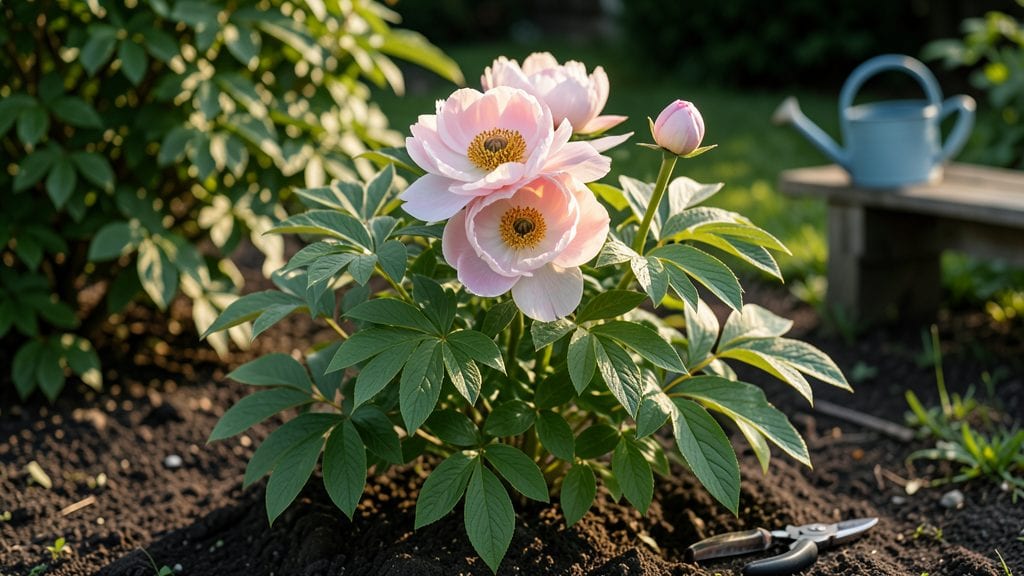
A peony flower garden transforms any yard into a fragrant, showstopping retreat with just a few simple choices. 🌸 I’ve designed mine around bold pink and coral varieties that bloom for weeks, their lush foliage providing structure long after the flowers fade. The secret isn’t complicated—it’s about placement and companions.
Start with three to five peony bushes spaced 3–4 feet apart in well-draining soil with full sun. Pair them with ornamental grasses for texture or lavender for contrast—both thrive in the same conditions.
My garden’s borders now feature creamy white peonies against dark purple salvia, creating a striking visual that lasts through summer’s heat.
By late spring, you’ll have clouds of blossoms that attract butterflies and hummingbirds, while the roots build strength for years of minimal care. Even the pruning is easy: just trim back faded blooms in early fall, and you’re done until next season.
The foliage stays decorative until frost, giving you year-round interest with almost no effort.
Works for cottage gardens, modern landscapes, or even small urban courtyards. The key is letting them shine as the star—no fuss, just beauty. Let’s make your garden the talk of the neighborhood!
📚 In This Guide
- What you need
- Instructions
- Tips and common mistakes
- Wrapping up and next steps
What you need
- ● Peony plants: 3–5 bare-root or potted peonies (choose Paeonia lactiflora for classic blooms or Paeonia suffruticosa for tree peonies).
- ● Well-draining soil: Mix 60% topsoil + 30% compost + 10% coarse sand or perlite (1–2 cubic yards for a 10’x10’ area).
- ● Garden fork or tiller: For loosening soil (12–18” deep).
- ● Garden gloves & knee pads: Protect your hands and joints!
- ● Organic mulch: 2–3 inches of shredded bark or straw (helps retain moisture).
- ● Watering can or hose with nozzle: Peonies need 1–2 inches of water weekly.
- ○ Stakes or cages (optional but helpful): For tall varieties (e.g., Sarah Bernhardt or Bowl of Beauty).
- ● Slow-release fertilizer: 10-10-10 or rose-specific formula (apply in early spring).
- ● Soil pH test kit: Peonies thrive in 6.0–7.0 pH; adjust with lime or sulfur if needed.
- ● Drip irrigation system: For consistent moisture (especially in hot climates).
- ● Pruning shears: Sharp, bypass-style shears for minimal post-bloom cleanup.
- ● Decorative rocks or edging: To define garden borders and deter weeds.
Instructions for planting and caring for a stunning peony garden
Peonies thrive with patience and a few key steps—here's how to plant them for decades of blooms.
🌱 Step 1: Choose the Perfect Planting Spot
Peonies demand full sun—at least 6-8 hours daily—for the best blooms. I always pick a location with morning sun and afternoon shade in hot climates to prevent leaf scorch. The soil should drain well but retain moisture; peonies hate soggy roots. Test your spot by digging a 12-inch hole—if water pools after 30 minutes, amend the soil with compost to improve drainage.
Peonies also appreciate shelter from strong winds, which can damage their delicate stems. A spot near a fence or building works perfectly. Avoid areas where water collects after rain, as peonies are prone to root rot. If your yard has heavy clay soil, mix in 2-3 inches of compost to loosen the texture and improve aeration.
🪴 Step 2: Plant Peony Roots at the Right Depth
Peony roots, or "eyes," should be planted just 1-2 inches below the soil surface. These eyes are the buds that will grow into stems and blooms, so planting too deep delays flowering, while planting too shallow exposes them to frost damage. I always dig a hole 18-24 inches wide and deep to give roots plenty of room to spread.
Place the roots in the hole with the eyes facing upward—this is critical. Gently spread the roots outward in all directions, ensuring they aren’t curled or bent. Fill the hole halfway with soil, then water deeply to settle it around the roots. Once the water drains, finish filling the hole, leaving a 2-inch mound of soil above the eyes to protect them in winter.
☀️ Step 3: Mulch and Water for Establishment
Apply a 3-inch layer of mulch around the base of the peony, keeping it 6 inches away from the stem to prevent rot. I use shredded bark or straw, which retains moisture and regulates soil temperature. Water the plant deeply right after mulching to encourage root growth. Peonies need 1-1.5 inches of water weekly during their first growing season, but avoid overhead watering to prevent fungal diseases.
You’ll know your peonies are settling in when new shoots emerge in early spring. These shoots are tender at first, so I protect them with a light frost cloth if late frosts are forecasted. Once established, peonies are drought-tolerant but still appreciate consistent moisture. The first year is all about root development—don’t expect blooms until the second or third year.
✂️ Step 4: Prune Correctly for Long-Term Health
Peonies need minimal pruning, but timing is everything. Wait until late spring or early summer, after the foliage has died back naturally, to trim back the stems to 1 inch above the ground. Never cut stems in fall or winter, as this removes the plant’s energy reserves for next year’s blooms. I always use clean, sharp pruners to avoid damaging the stems.
If your peonies produce too many blooms and the stems become top-heavy, you can stake them with 3-foot bamboo stakes tied loosely to the stems. This prevents stems from flopping over, which can break them. Avoid heavy pruning or shaping—peonies bloom best when left natural. The key is patience; with proper care, your peony garden will reward you with lush blooms for decades.
Tips & tricks for perfect peony flower garden
A few simple strategies will help your peonies thrive for decades with minimal fuss.
Sunlight Secret: While peonies need that critical 6-8 hours of sun daily, I've found morning sun with afternoon shade works best in hot climates. The afternoon shade prevents leaf scorch while still giving them enough light to produce those lush blooms. If your yard has areas with partial shade, consider planting peonies where they'll get morning sun and just a few hours of afternoon light—you'll still get beautiful flowers, just possibly slightly smaller ones.
Planting Depth: Getting that 1-2 inch depth for the peony eyes is crucial, but here's what nobody tells you—if you're unsure, plant slightly shallower rather than deeper. Too deep delays flowering for years, while slightly shallow (but not exposed) peonies often catch up quickly. I've seen peonies planted at 1.5 inches still thrive beautifully, while those buried at 3 inches took 5 years to bloom instead of 2.
Mulch Magic: That 3-inch layer of mulch isn't just for looks—it's the secret to winter protection and summer moisture control. I always use shredded bark because it breaks down slowly, adding organic matter to the soil over time. For extra winter protection in cold climates, add an additional 2-inch layer of straw after the first frost. This double layer helps insulate the roots through harsh winters while preventing soil compaction.
Watering Wisdom: When establishing your peonies, those 1-1.5 inches of water weekly should go directly to the root zone—not the foliage. I use a soaker hose buried just below the mulch surface to deliver water slowly and evenly. This method prevents fungal diseases that often come from overhead watering. Once established, peonies become surprisingly drought-tolerant, but I still water during prolonged dry spells to maintain that vibrant foliage.
Pro Tips for Peony Flower Garden
- A few simple strategies will help your peonies thrive for decades with minimal fuss.
- Sunlight Secret: While peonies need that critical 6-8 hours of sun daily, I've found morning sun with afternoon shade works best in hot climates.
- Planting Depth: Getting that 1-2 inch depth for the peony eyes is crucial, but here's what nobody tells you—if you're unsure, plant slightly shallower rather than deeper.
Frequently asked questions
Got questions about creating or maintaining your peony flower garden? You’re not alone! Here are some of the most common queries—and their simple, expert-backed answers—to help you cultivate a stunning, low-maintenance display.
When is the best time to plant peonies for maximum blooms?
The ideal time to plant peonies is in early fall (4–6 weeks before the ground freezes) or early spring (as soon as the soil is workable). Fall planting gives roots time to establish before winter, while spring planting ensures they’re ready for their first bloom season. Avoid planting in extreme heat or drought conditions!
Do peonies need a lot of sunlight, or can they thrive in partial shade?
Peonies love full sun (6–8 hours daily) for the best blooms, but they can tolerate partial shade (4–6 hours of sun), especially in hotter climates. In shady spots, expect fewer flowers and leggier stems. If your garden is shady, choose Paeonia lactiflora varieties—they adapt better than tree peonies.
How and when should I prune my peonies to encourage more flowers?
Pruning is minimal! Wait until late spring or early summer (after blooming) to trim back dead or damaged foliage. Avoid cutting back healthy leaves entirely—they feed the roots for next year’s blooms. Never prune in fall or winter, as peonies are dormant and vulnerable to disease. A light cleanup is all they need!
What pests or diseases should I watch for in my peony garden?
The biggest threats are peony leaf blight (grayish spots on leaves) and peony borers (sawdust-like frass near stems). To prevent issues:
- Space plants 3–4 feet apart for airflow.
- Water at the base (avoid wetting leaves).
- Remove and dispose of infected foliage promptly.
- Apply neem oil or copper fungicide if needed.
Can I grow peonies in containers, or do they need to be planted in the ground?
Peonies prefer the ground because their thick roots need depth and stability, but you can grow them in large containers (at least 18–24 inches deep) if you:
- Use well-draining soil mixed with compost.
- Choose compact varieties like ‘Sarah Bernhardt’ or ‘Bowl of Beauty.’
- Move pots to a sunny spot in summer and sheltered spot in winter (if temps drop below 10°F).
Wrapping up and next steps
Creating a peony flower garden is a rewarding journey that brings timeless beauty to your outdoor space with surprisingly low-maintenance care. 🌸 With the right soil, sunlight, and minimal pruning, these lush blooms will thrive for years—offering vibrant colors and fragrant charm season after season.
Whether you’re a seasoned gardener or just starting, your peony patch will become a stunning centerpiece that requires little effort but delivers maximum impact.
Ready to dive in? Start by gathering your materials, then plant with confidence—your future garden awaits! For extra inspiration, sketch a simple layout or browse peony varieties to find your perfect match. Happy gardening! 🌱