
Flowers
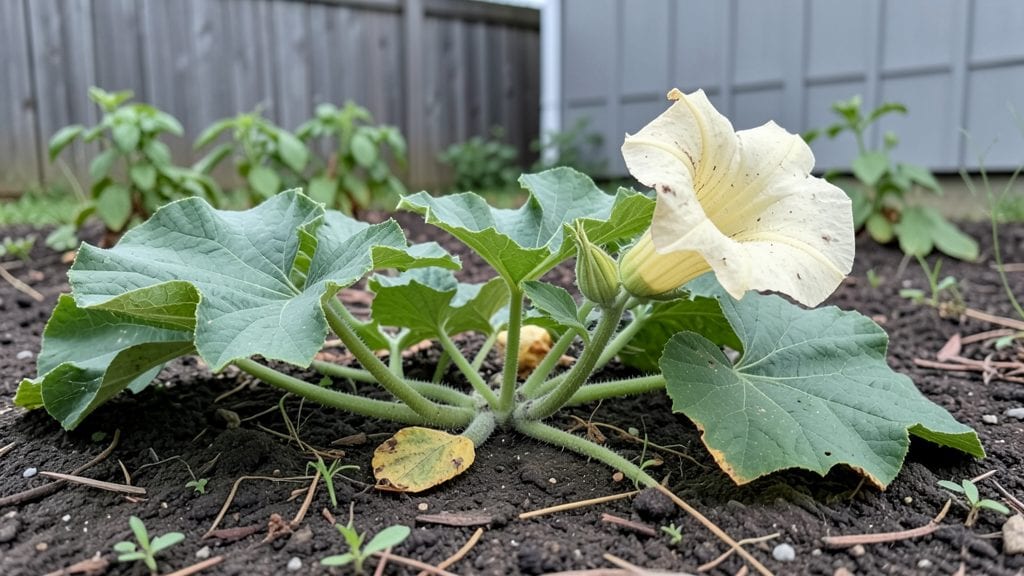
Growing yellow flower gourds transforms your garden into a golden, vine-covered paradise. 🌻 I’ve watched these sun-loving climbers stretch across trellises, their bright blooms attracting bees and butterflies while producing edible fruit—all from a single vine that starts as a tiny seed.
The key? Matching their love for heat and space with the right soil and support, so they don’t flop into a tangled mess.
These gourds thrive in full sun and well-draining soil, but they’re not fussy about the type—just avoid soggy ground. Plant seeds after the last frost, give them room to sprawl (or a sturdy trellis), and water consistently.
Prune aggressively to focus energy on fruit production, and you’ll end up with vibrant yellow flowers that last for weeks, followed by gourds that range from tiny decorative types to giant storage varieties.
By midsummer, your vine will be a buzzing ecosystem of pollinators and harvestable fruit. The flowers alone make it worth growing, but the gourds—whether you use them for cooking, decor, or both—add a rewarding finish.
Whether you’re growing Cucurbita pepo for pumpkin-like fruit or Lagenaria siceraria for decorative bottles, these vines deliver big results with minimal fuss.
Here’s the best part: they’re beginner-friendly. Even if your first vine looks more like a jungle than a garden, the process gets easier each year. Let’s get those seeds in the ground and turn your space into a sun-drenched gourd haven.
Root Causes Behind Yellowing Flowers
The vibrant blooms of your yellow flower gourds (like Cucurbita pepo or Lagenaria siceraria) may start turning pale or yellowish due to a mix of environmental, biological, or cultural factors.
Understanding these triggers helps you intervene before the issue spreads. Below, we break down the key culprits—and how to tackle them.
Yellowing flowers often signal heat stress, especially in peak summer when temperatures soar above 90°F (32°C).
Gourds are tropical plants, but extreme heat disrupts their metabolic processes, leading to: - Premature wilting (flowers drop or turn yellowish-white). - Reduced pollination (bees avoid overheated blooms). - Blossom end rot (tissue necrosis due to water imbalance).
Why it happens: High temperatures accelerate transpiration (water loss), causing nutrient imbalances. The plant prioritizes survival over reproduction, sacrificing flowers first. Additionally, rapid temperature fluctuations (e.g., cool nights followed by scorching days) confuse the plant’s circadian rhythms, halting flower development.
Actionable fixes:
- Provide afternoon shade with 30–50% shade cloth during heatwaves.
- Mulch heavily (2–3 inches of straw or wood chips) to regulate soil temp.
- Water deeply at dawn to keep roots cool (avoid wetting leaves to prevent fungal risks).
- Choose heat-tolerant varieties like Cucurbita pepo ‘Straight Eight’ or Lagenaria ‘Bottle Gourd.’
Yellowing flowers can also stem from root suffocation or nutrient leaching due to soggy soil. Gourds thrive in well-draining soil with 60–70% moisture—any more, and roots struggle to absorb oxygen.
Why it happens:
- Waterlogged soil triggers anaerobic conditions, where roots can’t respire properly. This leads to chlorosis (yellowing) as the plant starves for oxygen.
- Excessive nitrogen (from over-fertilizing) promotes lush foliage but weakens flower structures, causing them to yellow and drop.
- Salinity buildup (from tap water or synthetic fertilizers) blocks nutrient uptake, mimicking deficiency symptoms.
Actionable fixes:
- Test soil moisture before watering—stick your finger 2 inches deep; if damp, wait.
- Amend heavy clay soil with compost or perlite to improve drainage.
- Use rainwater or filtered water to avoid salt buildup.
- Reduce nitrogen post-blooming; switch to phosphorus-rich fertilizers (like 5-10-10) to support flowering.
Hidden invaders like aphids, squash vine borers, or powdery mildew can drain your gourd’s energy, causing flowers to yellow and wither prematurely.
Why it happens:
- Sap-sucking pests (e.g., aphids, spider mites) inject toxins that disrupt chlorophyll production, turning leaves and flowers yellow.
- Fungal infections (like powdery mildew) clog stomata, preventing gas exchange and leading to necrotic yellowing.
- Vine borers weaken the plant’s vascular system, reducing nutrient flow to flowers.
Actionable fixes:
- Inspect undersides of leaves daily for pests—spray with neem oil or soapy water (1 tsp mild soap per quart of water).
- Remove infected foliage immediately to prevent spread.
- Apply copper fungicide at the first sign of mildew.
- Use row covers early in the season to block pests like squash vine borers.
Yellowing flowers often scream nutritional imbalances, particularly magnesium, calcium, or zinc deficiencies, or excessive boron/sodium.
Why it happens:
- Magnesium deficiency (common in acidic soils) causes interveinal chlorosis—yellowing between leaf veins that spreads to flowers.
- Calcium deficiency leads to blossom end rot in flowers, turning petals yellowish-brown.
- Zinc deficiency stunts growth and causes small, yellowing flowers that fail to open.
- Boron toxicity (from over-fertilizing) causes brown/yellow necrotic spots on petals.
Actionable fixes:
- Test soil pH (ideal: 6.0–6.8 for gourds). Amend with lime (for acidity) or sulfur (for alkalinity).
- Apply Epsom salt (1 tbsp per gallon of water) every 2 weeks for magnesium.
- Use crushed eggshells or calcium nitrate for calcium boosts.
- Avoid synthetic fertilizers—opt for compost tea or fish emulsion for balanced nutrients.
Even healthy gourds with yellow flowers may fail to set fruit if pollination is inefficient. Weak or yellowing flowers often signal bees aren’t visiting due to:
- Lack of nectar (from over-fertilizing with nitrogen).
- Pesticide use (kills pollinators).
- Extreme weather (rain or wind disrupts bee activity).
Why it happens: Gourds rely on bees and other pollinators to transfer pollen. If flowers yellow and drop without fertilization, the plant “gives up” on reproduction, redirecting energy to leaves.
Actionable fixes:
- Plant pollinator-friendly companions like marigolds, borage, or nasturtiums.
- Avoid spraying pesticides during bloom time (or use bee-safe options like pyrethrin).
- Hand-pollinate on cloudy/damp days: Gently brush a paintbrush or cotton swab between male and female flowers.
- Ensure 1–2 male flowers per female to maximize pollination chances.
When gourd vines compete for sunlight, water, or nutrients, they prioritize survival over flowering. Yellowing blooms often appear in shady or congested patches.
Why it happens:
- Thick canopies block light, reducing photosynthesis—flowers yellow as the plant conserves energy.
- Root competition from weeds or other plants starves gourds of nutrients, leading to weak, chlorotic flowers.
Actionable fixes:
- Space vines 3–5 feet apart (or trellis them vertically to save space).
- Prune aggressive side shoots to direct energy to main vines.
- Remove weeds within a 2-foot radius of gourds.
- Thin crowded patches if growing in containers.
Fixing common gourd growing issues
Growing yellow flower gourds can be incredibly rewarding, but even the most experienced gardeners face challenges. Whether it’s wilting vines, yellowing leaves, or poor fruit development, these problems can be frustrating—but they’re fixable!
Below, we’ve mapped out the most common issues and provided practical, step-by-step solutions to get your gourds thriving again. Plus, we’ll share prevention tips to keep your vines healthy long-term.
Problem: Chewed leaves, holes in fruit, or strange spots on vines. Cause: Squash bugs, cucumber beetles, powdery mildew, or bacterial wilt.
🔥 Step 1: Identify the Culprit
- Squash bugs: Flat, brown, shield-shaped bugs (often found under leaves).
- Cucumber beetles: Yellow and black striped beetles that leave jagged holes.
- Powdery mildew: White, powdery patches on leaves.
- Bacterial wilt: Yellowing leaves that wilt suddenly (often with oozing stems).
👨🍳 Step 2: Remove Infestations
- Handpick pests early in the morning when they’re sluggish.
Drop them into soapy water. - Use row covers (floating fabric) to block beetles and squash bugs before they lay eggs. - Spray neem oil (1 tsp per quart of water) for mildew and soft-bodied pests.
Reapply every 5–7 days. - Prune infected leaves immediately if you spot mildew or wilt. Dispose of them in the trash (not compost).
🌡️ Prevention Tips
✔ Rotate crops—don’t plant gourds in the same spot yearly. ✔ Plant trap crops like nasturtiums to distract pests away from your gourds. ✔ Water at the base (avoid wetting leaves) to reduce mildew risk. ✔ Encourage beneficial insects like ladybugs and lacewings by planting dill or fennel nearby.
Problem: Wilting vines, blossom end rot, or weak stems. Cause: Inconsistent watering, overwatering, or poor drainage.
🍳 Step 1: Adjust Your Watering Routine
- Deep water 1–2 times per week (1–2 inches of water per session).
Let the top inch of soil dry out between waterings. - Use drip irrigation or soaker hoses to deliver water directly to the roots (avoid overhead sprinklers). - Check soil moisture by sticking your finger 1–2 inches deep. If it’s dry, water; if it’s soggy, hold off.
⏰ Step 2: Improve Drainage
- If your gourds are in containers, ensure pots have drainage holes.
- Amend heavy clay soil with compost or perlite to improve aeration.
- Mulch around plants (2–3 inches of straw or shredded leaves) to retain moisture and prevent soil crusting.
🎯 Prevention Tips
✔ Water in the morning to reduce evaporation and fungal risks. ✔ Avoid wetting leaves—this encourages mildew and bacterial diseases. ✔ Monitor weather forecasts—adjust watering during heatwaves or heavy rains.
Problem: Pale leaves, stunted growth, or poor flowering. Cause: Insufficient sunlight, nutrient-deficient soil, or improper pH.
🔪 Step 1: Optimize Sunlight
- Move potted gourds to a sunnier spot (they need 6–8 hours of direct sun daily).
- Thin out nearby plants if they’re shading your gourds.
- Use reflective mulch (like white gravel) to bounce extra light onto vines.
🌱 Step 2: Boost Soil Health - Test your soil’s pH (ideal range: 6.0–6.8).
Adjust with lime (to raise pH) or sulfur (to lower it). - Fertilize lightly with a balanced fertilizer (10-10-10) or compost tea when flowers appear. - Add organic matter like worm castings or well-rotted manure to replenish nutrients.
✨ Prevention Tips
✔ Start with nutrient-rich soil—mix in compost before planting. ✔ Side-dress with compost mid-season for a slow-release nutrient boost. ✔ Rotate crops to prevent soil depletion.
Problem: Yellow leaves with green veins (iron deficiency) or purple stems (phosphorus deficiency). Cause: Lack of essential micronutrients or improper fertilization.
📊 Step 1: Diagnose the Issue
| Symptom | Likely Deficiency | Quick Fix |
|---|---|---|
| Yellow leaves (new growth) | Nitrogen | Add compost or blood meal fertilizer. |
| Yellow between veins | Iron/Magnesium | Spray with chelated iron or Epsom salt (1 tbsp/gallon). |
| Purple stems/leaves | Phosphorus | Use bone meal or a phosphorus-rich fertilizer. |
| Weak, brittle stems | Potassium | Apply wood ash or a potassium supplement. |
💪 Step 2: Apply Fixes
- For nitrogen: Work in aged manure or fish emulsion around the base.
- For iron/magnesium: Mix 1 tbsp Epsom salt per gallon of water and spray on leaves.
- For phosphorus/potassium: Use a slow-release organic fertilizer like kelp meal.
🔥 Prevention Tips
✔ Mulch heavily to retain nutrients and prevent leaching. ✔ Avoid over-fertilizing—too much salt can burn roots. ✔ Use a soil test kit before planting to check baseline nutrients.
With these solutions, your yellow flower gourds should bounce back stronger than ever! Consistency is key—monitor your plants regularly, and don’t hesitate to adjust care as needed. Happy growing! 🌿🎉
Frequently asked questions
What’s the best way to grow yellow flower gourds for both edible fruit and ornamental value?
Choose a sun-loving variety like Cucurbita pepo or Lagenaria siceraria—they produce vibrant yellow blooms AND edible gourds. Plant seeds 1 inch deep after the last frost, spacing them 3–5 feet apart or along a trellis. Use well-draining soil with compost and water deeply 1–2 times per week to encourage both flowers and fruit. Prune aggressively to focus energy on blooms and harvests!
How long does it take for yellow flower gourds to produce blooms and fruit?
From seed to first blooms, expect 60–90 days in warm climates. Fruit typically appears 2–4 weeks after pollination, so plan for a 3–5 month growing season total. Start seeds indoors 4–6 weeks before the last frost for a head start, or direct-sow after soil reaches 70°F (21°C). Patience pays off—healthy vines reward you with weeks of golden flowers!
Can I grow yellow flower gourds in containers, and what size pot do I need?
Yes! Use a container at least 15–20 gallons (5-gallon minimum for dwarf varieties). Ensure it has drainage holes and fill with well-draining potting mix. Place the pot in full sun and water consistently—container-grown gourds dry out faster. Trellis them vertically to save space, but expect slightly smaller fruit than in-ground plants.
Why are my yellow flower gourds’ blooms falling off before setting fruit?
This usually signals heat stress, poor pollination, or overwatering. Ensure your vines get 6–8 hours of sun daily and mulch to retain moisture. Hand-pollinate on cloudy days by transferring pollen with a paintbrush. Avoid wetting leaves when watering to prevent fungal diseases that weaken flowers. If the issue persists, check for pests like squash vine borers or aphids.
Are yellow flower gourds annuals or perennials, and can I save seeds from my harvest?
They’re tender annuals in most climates, but their vines die back after frost. Save seeds from healthy, heirloom varieties by scooping them from ripe gourds, cleaning them, and drying on a paper towel for 1–2 weeks. Store in a cool, dry place for 3–5 years. For next year, start seeds indoors 4–6 weeks before the last frost date.