
Blooming
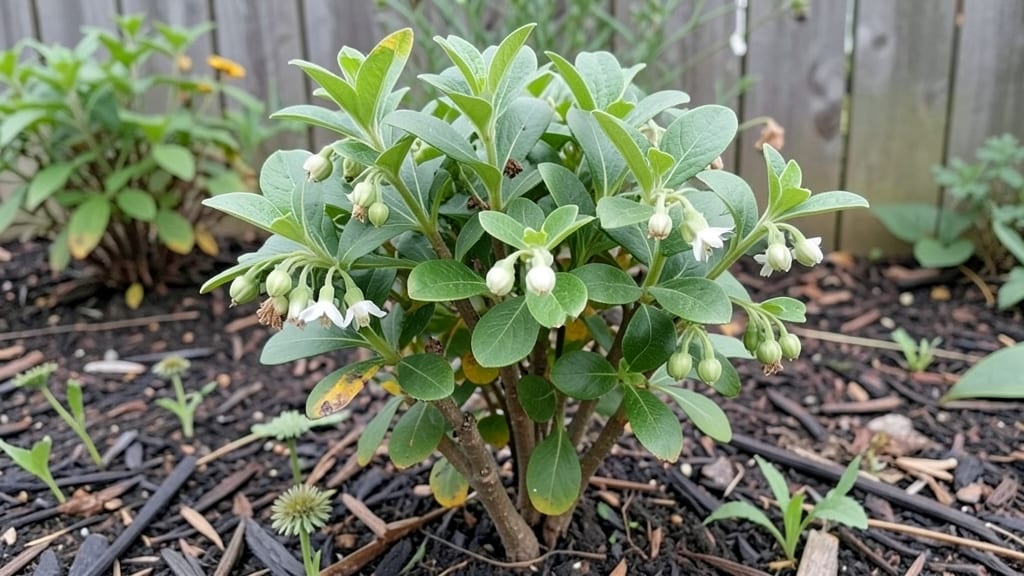
Understanding blueberry flower stages is the secret to turning those delicate pink buds into a bountiful harvest of sweet berries. 🌸 Last spring, I watched my first blueberry bush bloom—and realized I’d been missing key clues about when to expect fruit.
The stages aren’t just about timing; they’re about reading the plant’s signals, from the first hint of color to the moment pollinators arrive.
You’ll spot stage one in late winter or early spring when tight, reddish buds swell against the branches. These hard little packages hold next year’s potential, and their health sets the tone for everything that follows.
By March in most zones, they’ll burst into pale pink clusters—stage two—where the real magic begins, but only if temperatures stay above freezing and pollinators have access.
What you’re aiming for is stage three: white, bell-shaped flowers that perfume the air like vanilla. This is your window for pollination, and it lasts just 7–10 days. Miss it, and you’ll get fewer berries—or none at all.
The payoff? A bush that looks like a cloud of blossoms will feed you for months, with berries ripening in waves from June through August.
Here’s the thing—blueberries are finicky about soil pH, water, and even the type of bees visiting. I’ll walk you through how to spot trouble early (like buds that shrivel or flowers that drop) and what to do before it’s too late.
Let’s make sure your bushes don’t just bloom—they fruit like crazy.
📚 In This Guide
- What you need
- Instructions
- Tips and common mistakes
- Wrapping up and next steps
What you need
- ● Blueberry plants: 1-3 mature bushes (Southern Highbush, Northern Highbush, or Rabbit Eye varieties recommended for best blooming visibility).
- ● Garden gloves: 1 pair (nitrile-coated for durability and grip).
- ● Pruning shears: 1 pair (bypass-style, sharp, and sterilized to avoid disease).
- ● Notebook or gardening journal: 1 (for recording observations like bloom dates, weather, and growth notes).
- ● Pencil or fine-tip marker: 1 (waterproof if outdoors).
- ● Measuring tape or ruler: 1 (12-inch tape for tracking flower cluster sizes).
- ● Camera or smartphone: 1 (with a macro setting for close-up flower shots).
- ● pH testing kit: 1 (for soil acidity checks; blueberries thrive in pH 4.5-5.5).
- ● Garden hose with adjustable nozzle: 1 (for gentle watering, especially post-pruning).
- ● Hand lens or magnifying glass: 1 (to inspect flower anatomy up close).
- ● Garden twine or flags: Small quantities (for marking specific blooms or stages).
- ● Fertilizer (acid-loving blend): 1 bag (e.g., cottonseed meal or peat moss-based).
- ● Weather-resistant labels: 5-10 (to track individual bushes or varieties).
- ● Blueberry pollination guidebook: 1 (for reference on cross-pollination needs).
- ● Sunlight tracker or app: 1 (to monitor daily sunlight hours for optimal blooming).
Understanding blueberry flower stages for a successful season
Here’s how to recognize each phase of blueberry blooms so you can predict harvests and avoid common pitfalls.
🌱 Step 1: Identify Bud Formation in Late Fall to Early Winter
Blueberry flower buds form on last year’s growth, appearing as small, fuzzy green or reddish clusters along the stems. These buds are your future harvest—protect them from late frost by covering plants with frost cloth if temperatures drop below 28°F. I always check for bud formation in November, as this tells me whether the plant is healthy enough for spring blooms.
Look for tight, compact buds—they should feel firm to the touch. If buds are soft or mushy, your plant may have been stressed by drought or poor soil. At this stage, mulch with 2-3 inches of organic matter (like shredded leaves) to insulate roots and retain moisture through winter.
☀️ Step 2: Watch for Swelling Buds in Early Spring (February–March)
As temperatures rise above 40°F, blueberry buds swell and turn pink or reddish. This is when they’re most vulnerable to late frosts, which can destroy blossoms before they open. I monitor weather forecasts closely and keep a frost cloth ready—cover plants if a hard freeze is predicted.
Swollen buds should feel plump and slightly sticky to the touch. If they’re dry or shriveled, your plant may need more water. At this stage, avoid pruning—you’re still assessing bud health. Instead, focus on ensuring the soil stays moist but not soggy by watering deeply once a week if rainfall is scarce.
🌿 Step 3: Recognize Bloom Stage (April–May)
When buds open into white or pale pink flowers, your blueberries are officially in bloom. This stage lasts 2-3 weeks, depending on your climate. The flowers are delicate—avoid disturbing the plants, and watch for bee activity, which is critical for pollination. If you notice few bees, hand-pollinate by gently shaking branches to release pollen.
During bloom, water lightly but frequently—about 1 inch per week—to keep soil evenly moist. Overwatering can cause blossom end rot, while drought stress weakens flowers. You’ll know pollination is working when you see tiny green berries forming within 4-6 weeks after full bloom.
⏰ Step 4: Track Fruit Set and Early Growth (May–June)
After flowers fade, small green berries appear—this is fruit set. Not all flowers will develop fruit, but a healthy plant should have at least 50% success. Thin berries if they’re crowded, leaving 1 inch between each, to ensure larger, sweeter fruit. I use sterilized pruning shears to avoid spreading disease.
At this stage, focus on balanced care: 1 inch of water per week, a slow-release fertilizer (like 10-10-10), and full sun (6+ hours daily). You’ll see berries double in size within 4-6 weeks. If they turn yellow or drop, your plant may need more acidic soil (pH 4.5–5.5)—test it with a soil kit if issues persist.
💧 Step 5: Monitor Ripening (July–August)
The final stage is ripening, when berries turn from green to deep blue-purple and develop a bloom (waxy coating). Harvest when they pull away easily from the stem—this ensures peak flavor. I pick berries every 2-3 days to prevent birds from stealing them, using clean containers to avoid bruising.
After harvest, prune dead or diseased branches and fertilize lightly for next year’s buds. Mulch again to protect roots. If your plant produced few berries, check for poor pollination, drought stress, or soil pH issues—these are the most common reasons for low yields.
Tips & tricks for perfect blueberry flower development
Mastering these key insights will help you navigate each delicate stage of blueberry bloom with confidence.
Frost Protection: In Step 1, when temperatures drop below 28°F, cover plants immediately with frost cloth—don't wait for the forecast to confirm. I've lost entire bloom cycles because I hesitated. The key is to protect those tight buds before they open, as they're most vulnerable in this compact form. Remember, once buds swell in Step 2, they become even more frost-sensitive.
Bud Health Assessment: When checking buds in Step 1, gently press them with your thumbnail. Healthy buds should feel firm like a small pea, while stressed buds will feel soft or mushy. This simple test reveals whether your plant needs more moisture or better soil conditions. I always check multiple buds along different branches to get an accurate reading of overall plant health.
Watering Precision: During the critical bloom stage (Step 3), aim for 1 inch of water per week, but deliver it in light, frequent applications rather than heavy waterings. I use a rain gauge to measure exactly—overwatering causes blossom end rot, while underwatering weakens flowers. The goal is consistently moist soil without waterlogging. Consider a drip irrigation system for even distribution.
Pollination Backup: If you notice few bees during bloom (Step 3), hand-pollination is your best backup. On calm days, gently shake branches to release pollen—this mimics natural wind pollination. I do this early in the morning when flowers are fully open. For larger plants, use a small brush to transfer pollen between flowers. This simple technique can dramatically improve fruit set when bees are scarce.
Pro Tips for Blueberry Flower Stages
- Mastering these key insights will help you navigate each delicate stage of blueberry bloom with confidence.
- Frost Protection: In Step 1, when temperatures drop below 28°F, cover plants immediately with frost cloth—don't wait for the forecast to confirm.
- Bud Health Assessment: When checking buds in Step 1, gently press them with your thumbnail.
Frequently asked questions
Got questions about blueberry flower stages?
You’re not alone! Here are answers to the most common queries to help you track growth, troubleshoot issues, and maximize your harvest.
How long does it take for blueberry flowers to bloom after planting?
Blueberry bushes typically take 1–3 years to bloom after planting, depending on the variety and growing conditions. Southern highbush types may flower sooner (1–2 years), while rabbiteye varieties can take up to 3 years. Patience is key—focus on soil prep and care during the waiting period!
When is the best time to prune blueberry bushes after flowering?
Prune right after harvest (late summer to early fall) to avoid cutting off next year’s flower buds. Avoid pruning during the dormant season (winter) if you’re in a cold climate, as it can expose tender wood to frost damage. Pro tip: Remove dead or crossing branches first, then thin out older canes to improve airflow.
Why aren’t my blueberry flowers being pollinated?
Blueberries are self-pollinating, but poor pollination can occur due to cold snaps, lack of bees, or wet weather. To help:
- Plant a second variety nearby for cross-pollination.
- Gently shake branches during dry, sunny days to encourage pollen transfer.
- Ensure flowers aren’t waterlogged (excess moisture can deter pollinators).
Can I still get a harvest if my blueberry flowers freeze?
Yes, but it depends on the timing and severity. Early spring frosts (before buds open) may kill flowers, but late frosts (after blooms appear) can damage flowers without stopping the season entirely. Hardy varieties like ‘Duke’ or ‘Bluecrop’ recover better. Pro tip: Cover bushes with frost cloth if a freeze is forecasted!
What should I do if my blueberry bush flowers but never produces berries?
Several factors could be at play:
- Insufficient sunlight (blueberries need 6+ hours of sun daily).
- Poor soil pH (aim for 4.5–5.5; test and amend with sulfur or peat moss if needed).
- Lack of nutrients (apply a balanced fertilizer in early spring).
- Disease or pests (check for mummy berry fungus or borers).
Wrapping up and next steps
Understanding the blueberry flower stages is your secret weapon for a thriving harvest! 🌸 From delicate buds in spring to vibrant blooms ready for pollination, each phase plays a critical role in fruit development.
By tracking these stages month-by-month, you’ll be equipped to nurture your bushes like a pro and enjoy a bountiful yield.
Ready to put your new knowledge into action? Start by observing your bushes this season—note the first signs of buds, monitor pollination, and adjust care as needed. Happy gardening, and may your blueberry bushes reward you with the sweetest harvest yet! 🍇✨