
Blooming
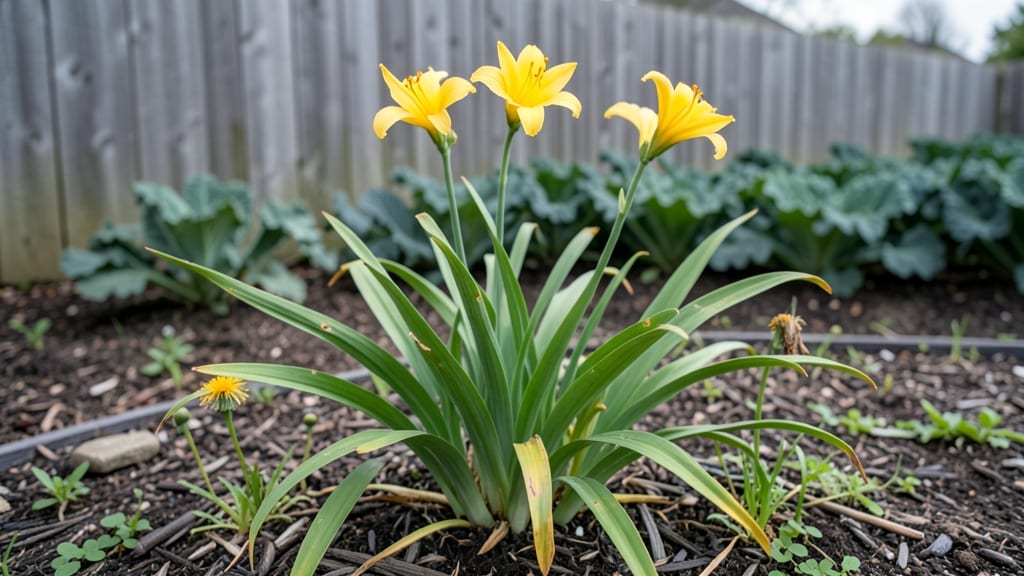
Sun-kissed yellow bloom flowers turn any space into a cheerful escape—whether you're filling window boxes or brightening a patio corner. 🌻 I’ve designed countless containers with these stunners, and they never fail to lift the mood (and attract pollinators).
The key is choosing varieties that love being cooped up: marigolds for bold pops, sunflowers for height, or delicate coreopsis for cascading texture.
Yellow flowers work magic in design because they pair effortlessly with almost anything—deep purples, soft blues, or even other yellows for a monochromatic glow. My go-to combo? A mix of golden marigolds and purple verbena in a terracotta pot; the contrast feels like sunshine in a vase.
For seasonal flair, swap spring’s daffodils for summer’s black-eyed Susans or fall’s goldenrod.
You’ll create instant curb appeal with just three containers: one tall for sunflowers, one mid-height for marigolds, and a trailing planter for sweet alyssum. The results?
A front porch that feels like a resort, a balcony that hums with bees, and zero fuss—just pure, joyful color. Let’s make your space shine!
Bonus: These same flowers work in borders, hanging baskets, or even as cut blooms for your table. The versatility is what makes yellows the ultimate design shortcut. Ready to brighten up your world?
Why flowers turn yellow
Understanding why your vibrant blooms lose their luster and turn yellow can help you restore their glory. Whether you're growing yellow bloom flowers in containers or garden beds, these changes often signal underlying issues.
Let’s break down the most common reasons behind this shift, so you can take actionable steps to revive your plants.
Yellowing leaves and blooms often stem from root stress, and overwatering is a top culprit. When soil stays soggy for too long, roots suffocate due to a lack of oxygen, leading to nutrient uptake failure. This causes chlorophyll (the green pigment) to break down, revealing yellow hues.
What’s happening?
- Waterlogged soil triggers anaerobic bacteria, which release toxins harmful to roots.
- Poor drainage in containers traps excess moisture, accelerating decay.
- Yellowing starts at the edges of leaves or blooms, often paired with wilting or mushy stems.
How to fix it:
- Ensure containers have drainage holes and use well-draining soil mixes (like cactus or succulent blends).
- Let the top 1-2 inches of soil dry out between waterings—stick your finger in to check!
- If repotting is needed, choose pots with terracotta or fabric liners to improve airflow.
Yellow blooms can also signal a lack of essential nutrients, particularly nitrogen, iron, or magnesium. These elements are critical for chlorophyll production and overall plant health.
Common deficiencies:
- Nitrogen deficiency (🟡 older leaves turn yellow first) – Leads to stunted growth and pale blooms.
- Iron deficiency (chlorosis) (🟡 new leaves yellow between veins) – Common in alkaline soils.
- Magnesium deficiency (🟡 yellow patches on older leaves) – Affects energy production in cells.
How to fix it:
- Test your soil (a simple kit or lab test can reveal imbalances).
- Amend soil with organic matter like compost or worm castings for slow-release nutrients.
- For quick fixes:
- Iron deficiency? Use chelated iron supplements (like iron sulfate).
- Nitrogen boost? Try a balanced fertilizer (10-10-10) or fish emulsion.
- Magnesium? Sprinkle Epsom salt (magnesium sulfate) around the base (follow package rates).
Yellowing blooms or leaves can be a red flag for pathogenic infections, especially in warm, humid conditions. Fungi like powdery mildew or root rot thrive in damp environments, while bacteria can cause leaf spot diseases.
Signs to watch for:
- Yellowing paired with brown spots (bacterial leaf spot).
- White powdery coating on leaves (powdery mildew).
- Yellowing at the base of stems (root rot spreading upward).
How to fix it:
- Prevent moisture buildup by watering at the base (not overhead) and ensuring good airflow.
- Remove infected leaves or blooms immediately to stop the spread.
- Apply fungicides (neem oil, copper-based sprays, or baking soda solution for mildew).
- Repot affected plants in fresh, sterile soil if root rot is suspected.
Extreme temperatures, sudden weather shifts, or intense sunlight can shock plants, causing chlorophyll to degrade and blooms to yellow. Container-grown flowers are especially vulnerable due to limited root systems.
Common stressors:
- Heat stress (🔥 scorched yellow edges on leaves).
- Cold damage (❄️ yellowing followed by browning).
- Transplant shock (🌿 yellowing after repotting).
How to fix it:
- Acclimate plants gradually to new conditions (e.g., move containers to shade before extreme heat).
- Use shade cloth (30-50%) to protect from harsh afternoon sun.
- Mulch container soil with straw or bark to regulate temperature.
- Avoid fertilizing during stress periods—focus on hydration and recovery first.
Not all yellowing is a cause for alarm! Some flowers, like marigolds or coreopsis, naturally produce yellow blooms as part of their life cycle. If the rest of the plant looks healthy, your flowers might simply be reaching the end of their bloom phase.
How to tell the difference:
- Check for new growth—if buds are forming, aging is likely the issue.
- Observe leaf health—if leaves stay green and firm, yellow blooms may just be seasonal.
What to do:
- Deadhead spent blooms to encourage new flowers.
- Fertilize lightly to prolong the blooming season (use a bloom booster like 5-10-5).
- Rotate containers to ensure even sunlight exposure for balanced growth.
Revive Your Sun-Kissed Blooms
When your golden-hued flowers lose their vibrancy, it’s often a sign they need a little TLC. But don’t worry—most issues are easy to fix with the right care. Below, we’ve mapped common problems to simple solutions, so you can bring back that radiant yellow glow in no time.
Signs: Yellowing leaves, wilting stems, or soil that feels soggy to the touch.
How to Fix It: 🔥 Stop watering immediately—let the top 1-2 inches of soil dry out before watering again. 🍳 Check your pots—ensure they have drainage holes to prevent root rot. 👨🍳 Repot if needed—if roots are mushy or black, trim the damaged parts and replant in fresh, well-draining soil. ⏰ Water deeply but less often—yellow blooms often mean roots aren’t getting enough oxygen.
Prevention Tips: ✨ Use a moisture meter to track soil dryness. ✨ Choose fast-draining soil mixes (like cactus or succulent blends) for container plants.
Signs: Crispy edges, drooping petals, or flowers that refuse to open.
How to Fix It: 💧 Water thoroughly—soak the soil until water drains from the bottom. 🌡️ Mulch the surface—a thin layer of bark or pebbles helps retain moisture. 🎯 Move to a shadier spot—if the air is too dry, yellow blooms may struggle to stay hydrated.
Prevention Tips: 💡 Group containers together to create a microclimate with higher humidity. 💡 Water in the morning—this reduces evaporation and gives roots time to absorb moisture.
Signs: Bleached or crispy petals, yellowing leaves with brown tips.
How to Fix It: 🌿 Provide afternoon shade—use a sheer curtain or move pots to a spot with dappled light. 🌡️ Mist leaves lightly—this can cool the plant and prevent sunburn. 🔪 Trim damaged foliage—removing burnt leaves helps the plant focus energy on new growth.
Prevention Tips: ✨ Know your plant’s needs—some yellow blooms (like marigolds) love full sun, while others (like impatiens) prefer partial shade. ✨ Use reflective surfaces—light-colored mulch or mirrors can help diffuse harsh sunlight.
Signs: Pale yellow leaves, stunted growth, or flowers that fade quickly.
How to Fix It: 📊 Fertilize with a balanced formula—use a 10-10-10 or 20-20-20 liquid fertilizer every 4-6 weeks. 🥗 Add compost or worm castings—organic matter improves soil structure and nutrient availability. 🍎 Feed with bloom-specific fertilizer—look for one high in phosphorus (the middle number) to encourage vibrant flowers.
Prevention Tips: 💡 Test your soil—a simple DIY kit can reveal deficiencies before they cause yellowing. 💡 Rotate containers—if one spot gets depleted, move pots to fresher soil areas.
Final Thought: Most yellowing in container flowers is fixable with a little adjustment. Monitor your plants closely, and don’t hesitate to tweak their environment—your sun-kissed blooms will thank you with a comeback that’s even more stunning! 🌼✨
Frequently asked questions about sun-kissed yellow blooms
Which yellow flowers thrive best in containers?
For vibrant container gardens, try marigolds (drought-tolerant and pest-repelling), coreopsis (long-blooming and low-maintenance), or sunflowers (great for vertical height). These varieties handle root confinement well while delivering bold color.
How do I pair yellow blooms with other colors?
Yellow flowers shine with purple (like verbena) for striking contrast or blue (like delphiniums) for a soft, airy look. For monochromatic elegance, mix different yellow hues—try golden marigolds with buttery snapdragons. Avoid pairing with white unless you want a bright, cheerful vibe.
When is the best time to plant yellow blooms?
Most yellow flowers thrive when planted in early spring (after the last frost) or late summer for fall blooms. Container plants can be added anytime, but give them 4-6 weeks to establish roots before extreme heat or cold arrives.
Why are my yellow flowers fading so quickly?
Quick fading often signals underwatering or nutrient depletion. Water deeply when the top 1-2 inches of soil are dry, and fertilize with a bloom booster (like 5-10-5) every 4 weeks. Deadhead spent blooms to encourage new growth.
Can I grow yellow flowers indoors?
Yes! Try gerbera daisies or caladiums near bright windows. Use grow lights for 12-14 hours/day if natural light is limited. Ensure pots have drainage holes and rotate containers weekly for even growth.