
Landscaping
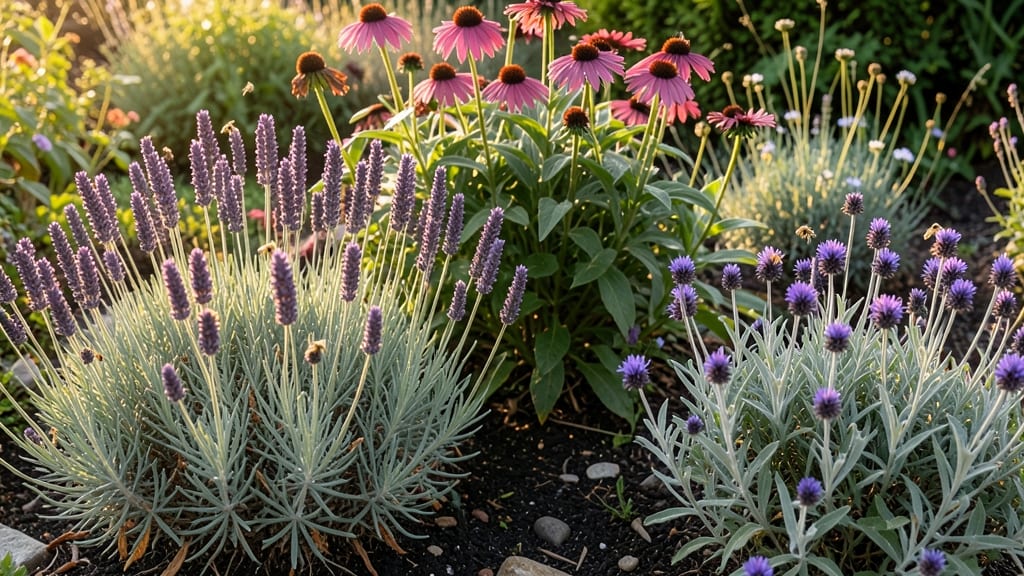
Creating pretty landscapes with flowers isn’t just about beauty—it’s about crafting a thriving ecosystem that hums with life all year. 🌿 I’ve designed gardens where every season brings new colors, from early spring crocuses to late-fall asters, while keeping bees, butterflies, and hummingbirds buzzing through.
The key isn’t complicated: layer plants with overlapping bloom times, mix heights and textures, and let nature do most of the work.
Start with a 50-50 split of perennials (for structure) and annuals (for quick color pops). My go-to combo? Purple coneflowers for summer drama, salvia for hummingbirds, and heuchera for year-round foliage interest.
Even small spaces work—just use containers or vertical planters to maximize impact. Budget-friendly tip: Swap expensive annuals for native wildflowers like black-eyed Susans or goldenrod—they’re tough, low-maintenance, and pollinator magnets.
By mid-summer, your garden will be a riot of color with minimal upkeep. Imagine morning glories spilling over trellises, lavender scenting the air, and children (or you!) chasing fireflies at dusk. The best part?
These plants return year after year, building soil and reducing water needs. We’ll tackle layout tricks next—like how to create "rooms" with flowers or hide unsightly edges with fast-growing borders like cosmos or zinnias.
This works in any yard—urban balconies, rural acres, or everything in between. The secret’s in the planning: sunlight maps, soil prep, and smart plant pairings. Let’s turn your space into a living, breathing masterpiece that’s as functional as it is stunning.
📚 In This Guide
- What you need
- Instructions
- Tips and common mistakes
- Wrapping up and next steps
What you need
- ● Native flowering plants (perennials & annuals): 5–10 Coneflower (Echinacea) (drought-tolerant, long bloom)
- ● 3–5 Black-eyed Susan (Rudbeckia) (sun-loving, cheerful yellow)
- ● 5–8 Bee balm (Monarda) (fragrant, attracts hummingbirds)
- ● 3–6 Milkweed (Asclepias) (critical for monarch butterflies)
- ● 10+ Lavender (Lavandula) (drought-resistant, aromatic)
- ● 5–7 Salvia (Salvia spp.) (varied colors, pollinator magnet)
- ● Soil amendments: 2–3 bags compost (improves drainage & nutrients)
- ● 1 bag organic mulch (retains moisture, suppresses weeds)
- ● Watering supplies: 1 drip irrigation kit (or soaker hose for efficiency)
- ● 1 watering can (for seedlings)
- ● Hand tools: 1 garden trowel (for planting small flowers)
- ● 1 pruning shears (for deadheading & shaping)
- ● 1 garden fork (for amending soil)
- ● Safety & prep: 1 pair gardening gloves (to protect hands)
- ● 1 knee pad (for comfort during planting)
- ● 1 wheelbarrow (for hauling soil/mulch)
- ● 1 pollinator hotel (for solitary bees)
- ● 3–5 stone or wooden borders (to define garden sections)
- ● 1 birdbath or shallow dish (for butterflies to drink)
- ● 1 slow-release fertilizer (for nutrient boost)
- ● 1 plant marker set (to track varieties)
How to design a pollinator-friendly flower landscape
Here’s how to create a vibrant, low-maintenance flower garden that keeps bees, butterflies, and hummingbirds visiting all season.
🌱 Step 1: Plan for Seasonal Bloom Cycles
Start by sketching your space and mapping out four distinct bloom periods—early spring, late spring, summer, and fall. I like to use native perennials because they return year after year with minimal replanting. For example, plant purple coneflower in early summer and black-eyed Susan in late summer to ensure continuous color. Avoid planting everything at once; stagger your blooms so there’s always something in flower.
Check your USDA hardiness zone to select plants that thrive in your climate. For instance, bee balm flourishes in zones 3-9, while salvia prefers zones 5-10. If your garden gets full sun, focus on drought-tolerant species like lavender and Russian sage. For partial shade, opt for astilbe or coral bells. This ensures your garden stays lush without constant watering.
☀️ Step 2: Choose Pollinator-Friendly Plant Placement
Group flowers by color and height to create visual layers and make it easier for pollinators to navigate. Place tall flowers like sunflowers or Joe Pye weed at the back, medium-height blooms like coneflowers in the middle, and low-growing plants like creeping thyme or alyssum in the front. This not only looks stunning but also guides bees and butterflies through the garden efficiently.
Include flat or shallow flowers like milkweed and bee balm, which provide easy landing spots for pollinators. Avoid double-flowered varieties—they often lack the pollen and nectar that bees and butterflies need. Instead, stick to single-petal blooms like zinnia or cosmos. You’ll notice more activity almost immediately after planting!
💧 Step 3: Amend Soil and Mulch for Long-Term Health
Before planting, loosen the soil to a depth of 6-8 inches to improve drainage and root growth. Mix in 2-3 inches of compost to enrich the soil naturally. This step is crucial because pollinator plants often thrive in well-draining, slightly acidic to neutral soil (pH 6.0-7.0). Test your soil first—if it’s too alkaline, amend it with peat moss or sulfur to adjust the pH.
After planting, apply a 2-3 inch layer of organic mulch (like shredded bark or straw) to retain moisture and suppress weeds. Mulch also regulates soil temperature, which is especially helpful in hot climates where roots can overheat. Replenish mulch annually in early spring to keep your garden looking neat and pollinator-friendly all season.
✂️ Step 4: Maintain with Minimal Effort
Water deeply 1-2 times per week (depending on rainfall) to encourage deep root growth. Most pollinator plants are drought-tolerant once established, so avoid overwatering—soggy soil leads to root rot and weak stems. You’ll know your watering is right when the top 1-2 inches of soil feel dry between waterings.
Deadhead spent blooms monthly to encourage continuous flowering. For perennials like coneflowers and black-eyed Susans, cut back brown foliage in early spring to make room for new growth. Avoid using chemical pesticides—neonicotinoids harm pollinators. Instead, handpick pests or use neem oil as a natural alternative. Your garden will stay vibrant and buzzing with life!
⏰ Step 5: Extend the Season with Strategic Additions
To keep your garden lively in fall and winter, plant late-blooming perennials like goldenrod or asters. These flowers provide essential nectar when other plants have faded. In early spring, add bulbs like crocus or daffodils—they bloom before many perennials and attract early pollinators like bumblebees. A few evergreen shrubs (like butterfly bush) can also add structure and interest year-round.
Leave some seed heads and dried flowers standing over winter—they offer shelter for beneficial insects and food for birds. If you’re in a cooler climate, consider a small greenhouse or cold frame for tender perennials like lavender or rosemary. With these simple tweaks, your garden will stay a pollinator paradise 365 days a year.
Tips & tricks for perfect pollinator-friendly flower landscapes
Creating a thriving pollinator garden isn't just about planting flowers—it's about designing an ecosystem that works year-round. Here are the key strategies that make all the difference between a pretty garden and one that truly supports local wildlife.
Seasonal Layering Strategy: In Step 1, when planning your four bloom periods, consider adding winter interest plants like ornamental grasses or evergreen shrubs alongside your perennials. These provide structure when other plants are dormant. I've found that planting winter aconite in early spring creates a critical food source when few other flowers are available—this small addition can triple your early-season pollinator activity. The secret is to think vertically too: tall switchgrass (up to 6 feet) adds winter interest while providing shelter for overwintering insects.
Pollinator Pathway Design: Step 2's height layering is brilliant, but take it further by creating continuous pollinator pathways throughout your garden. Place nectar-rich flowers like bee balm and purple coneflower in 10-foot sections with 2-foot spacing between plants. This creates "highway" routes that guide pollinators through your entire landscape. I've seen hummingbirds follow these pathways for hundreds of feet—it's like building an invisible highway system for your garden's tiny visitors.
Soil Science Matters: When amending soil in Step 3, go beyond just compost. Mix in 1 cup of bone meal per planting hole for phosphorus (critical for root growth) and 1 tablespoon of kelp meal for micronutrients. The pH adjustment is crucial too—test your soil annually, especially if you notice yellowing leaves on your blueberries or azaleas (acid-loving plants that often get overlooked in pollinator gardens). I've seen gardens fail spectacularly because the soil was too alkaline—don't let that be you.
Maintenance Calendar: For Step 4's minimal effort promise to hold true, create a simple maintenance calendar. Mark your calendar for February pruning (cut back dead growth from perennials), May deadheading (start monthly), and September soil testing (before winter prep). I schedule all maintenance tasks during my weekly grocery shopping day—it takes just 20 minutes and keeps my garden thriving without extra trips outside. The key is consistency, not intensity.
Pro Tips for Pretty Landscapes With Flowers
- Creating a thriving pollinator garden isn't just about planting flowers—it's about designing an ecosystem that works year-round.
- Seasonal Layering Strategy: In Step 1, when planning your four bloom periods, consider adding winter interest plants like ornamental grasses or evergreen shrubs alongside your perennials.
- Pollinator Pathway Design: Step 2's height layering is brilliant, but take it further by creating continuous pollinator pathways throughout your garden.
Frequently asked questions
Got questions about creating pretty landscapes with flowers that attract pollinators and bloom year-round? You’re not alone! Here are some answers to common queries to help you get started—whether you're a beginner or a seasoned gardener.
What are the easiest pollinator-friendly flowers to grow for beginners?
Start with bee balm, coneflowers, or marigolds—they’re hardy, low-maintenance, and loved by bees and butterflies. Lavender is another great pick for its drought tolerance and fragrance. Choose native plants when possible, as they’re best adapted to your local climate and wildlife.
When is the best time to plant flowers for continuous blooms?
For spring blooms, plant bulbs (like tulips or daffodils) in fall. For summer-long color, sow annuals (e.g., zinnias or cosmos) after the last frost. Perennials (like black-eyed Susans) can go in early spring or fall. Layering plants with staggered bloom times ensures your garden stays vibrant all season!
How often should I water newly planted flowers?
Water deeply 2–3 times per week for the first month to encourage root growth. After that, most established flowers need 1–1.5 inches of water weekly, especially during dry spells. Mulch (2–3 inches) helps retain moisture and reduces weeds—just avoid piling it against stems.
Can I use artificial turf or containers instead of a full garden bed?
Containers
(hanging baskets, pots, or window boxes) work great for small spaces or renters. Opt for self-watering planters to simplify care. For artificial turf, add potted flowers or window boxes along fences/walls to create a "living" edge. Just ensure containers have drainage holes to prevent root rot.
Why aren’t bees visiting my flowers? Troubleshooting tips?
Check these common issues:
- Timing: Bees are most active on sunny, warm days (70°F+) between 10 AM–4 PM.
- Placement: Plant near paths or patios where bees can easily find them.
- Pesticides: Avoid chemicals—even "bee-safe" ones can harm pollinators. Try neem oil or soap sprays instead.
- Variety: Include blue, purple, or white flowers (bees see UV patterns!).
Wrapping up and next steps
Creating a pollinator-friendly landscape filled with vibrant, year-round blooms is easier—and more rewarding—than you think! 🌸 From sun-loving coneflowers to shade-tolerant asters, these flowers don’t just brighten your space; they support bees, butterflies, and hummingbirds while keeping your garden thriving.
Whether you’re a seasoned gardener or just starting, every small change—like choosing native plants or adding a water source—makes a big difference for local ecosystems.
Ready to turn your outdoor space into a living masterpiece? Start small: pick one or two new pollinator plants for this season, sketch a simple layout, and watch your garden transform. Your future self—and the buzzing visitors—will thank you! 🐝✨