Size
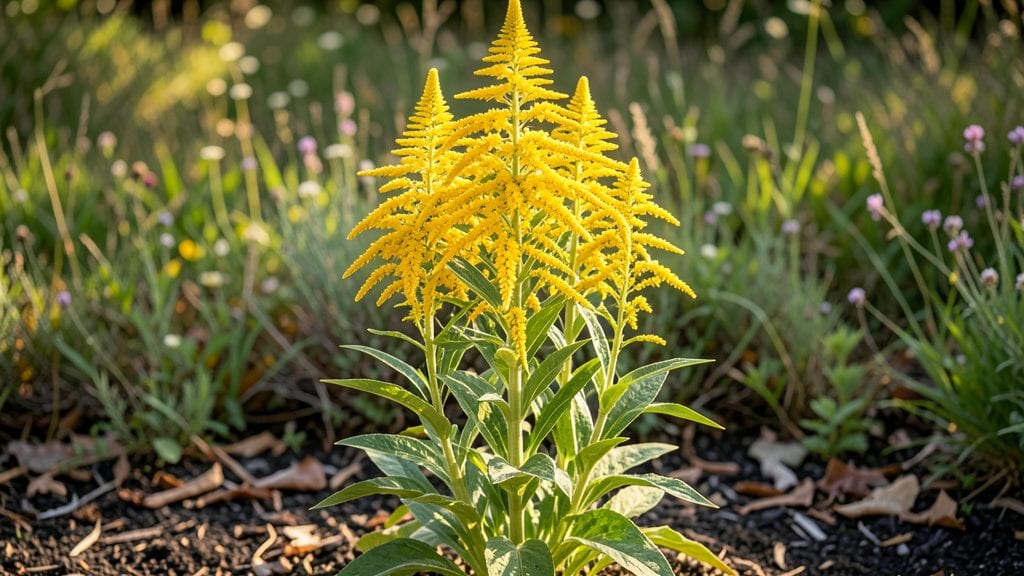
Tall fall flowers bring the kind of drama that makes your garden look like a designer showpiece. 🌻 I've learned that the right vertical plants—like Joe Pye weed or tall snapdragons—can turn a flat bed into a seasonal highlight, their stems reaching 5-7 feet while others still bloom.
The secret isn't just height; it's how they frame the garden when everything else starts to fade.
These plants thrive in late-season light and cooler temps, which means less fuss and more impact. You'll want full sun to part shade, well-draining soil, and occasional watering once established—basically, the same care as your spring perennials, just with taller results.
Pair them with shorter bloomers like black-eyed Susans or sedum to create layers that draw the eye upward.
Imagine a late-October garden where deep purples, fiery oranges, and creamy whites stand out against golden foliage. The right tall flowers make your space feel intentional, not just full. They also attract pollinators when most gardens have gone quiet, adding life to the last harvest season.
Whether you're filling a corner, lining a path, or creating a dramatic backdrop, these plants deliver year-after-year wow factor with minimal effort. Let's pick the perfect ones for your space—no green thumb required.
📚 In This Guide
- What you need
- Instructions
- Tips and common mistakes
- Wrapping up and next steps
What you need
- ● Tall fall flowers (perennials or annuals): 1–3 Joe Pye Weed (Eutrochium spp.) – 4–6 ft tall, thrives in full sun to part shade
- ● 1–2 Coneflower (Echinacea) – 3–5 ft tall, drought-tolerant, attracts pollinators
- ● 1–3 Russian Sage (Perovskia atriplicifolia) – 3–5 ft tall, silvery foliage, loves full sun
- ● 1–2 Black-Eyed Susan (Rudbeckia spp.) – 2–4 ft tall, vibrant blooms, low-maintenance
- ○ 1 Switchgrass (Panicum virgatum) – 3–5 ft tall, ornamental grass for texture (optional but recommended)
- ● Soil amendments: 5–10 lbs compost or well-rotted manure per planting area
- ○ 1–2 lbs balanced fertilizer (10-10-10) per plant (optional for established gardens)
- ● Planting tools: 1 garden trowel or hand shovel
- ● 1 pruners (for trimming dead foliage)
- ● 1 measuring tape (to space plants 18–36 inches apart)
- ● 1 mulch (2–3 inches of shredded bark or straw to retain moisture)
- ● 1 drip irrigation system or soaker hose (for consistent watering)
- ● 1–2 ornamental stakes or tall garden rings (to support top-heavy blooms like Joe Pye Weed)
- ● 1 garden kneeler (for comfort during planting)
- ● 1 spray bottle (for misting seedlings or delicate blooms)
- ● A sunny to partially shaded spot (most tall fall flowers prefer 6+ hours of sunlight)
- ● Well-draining loamy soil (amend clay or sandy soil with compost)
- ● Access to water (deep watering 1–2 times per week, more in extreme heat)
- ● Patience! Some perennials (like Joe Pye Weed) may take 1–2 years to reach full height.
Step-by-Step instructions for planting tall fall flowers
Here’s how to create a showstopping display that thrives through autumn’s crisp air.
🌱 Step 1: Select and Prepare the Planting Site
Choose a location with full sun to partial shade—most tall fall bloomers need at least 4-6 hours of sunlight daily. I like to plant mine where they’ll catch morning sun and afternoon dappled light, which prevents wilting in late-season heat. Clear the area of weeds and loosen the soil to a depth of 12 inches with a garden fork. This breaks up compacted layers and encourages deep root growth.
For containers, ensure pots are at least 12 inches deep with drainage holes. Tall flowers like asters or goldenrod need room for their roots to stabilize before the first frost. Mix in 2-3 inches of compost into the top layer of soil to feed the plants as they establish. This ensures they’ll have the energy to keep flowering well into November.
☀️ Step 2: Plant at the Right Depth and Spacing
Dig holes twice as wide as the root ball but only as deep as the container the plant came in. This prevents burying the stem too deeply, which can cause rot. Gently remove the plant from its container and tease the roots outward if they’re circling. Place it in the hole so the top of the root ball sits ½ inch below soil level—this helps retain moisture without suffocating the plant.
Space plants 18-24 inches apart to allow airflow and prevent overcrowding. Tall flowers like Joe Pye weed or coneflowers need this room to grow upright without leaning. If planting in groups, arrange them in odd-numbered clusters (3, 5, or 7) for a natural, fuller look. Water deeply right after planting to settle the soil around the roots.
💧 Step 3: Water and Mulch for Fall Success
Water immediately after planting, then again in 3-4 days to encourage root establishment. Tall flowers need consistent moisture, especially in early fall when temperatures fluctuate. I like to water deeply once a week until the top 2 inches of soil feel dry. Overwatering now can lead to fungal issues, so let the soil dry slightly between waterings.
Spread a 2-3 inch layer of mulch around the base of each plant, keeping it 3 inches away from the stems to prevent rot. Use shredded bark or straw—both insulate roots from temperature swings and retain moisture. This layer also suppresses weeds, which compete for nutrients and water as the season progresses.
✂️ Step 4: Deadhead and Support for Height
Remove spent blooms regularly to redirect the plant’s energy into new flowers. I pinch off faded heads with my fingers or use clean pruners to cut just above a set of leaves. This encourages a second flush of blooms, extending the display well into late fall. For varieties like tall garden phlox or hollyhocks, stake them early—insert 3-foot stakes at planting and tie stems loosely with soft twine or fabric strips.
Watch for leggy growth, which often signals insufficient light. If stems stretch too far between leaves, trim back by ⅓ of their height to promote bushier, sturdier growth. This is especially important for varieties prone to flopping, like some asters. A light application of balanced fertilizer (10-10-10) every 4-6 weeks keeps them flowering strong without excessive leafy growth.
🌿 Step 5: Prepare for Frost and Enjoy the Show
As temperatures dip, reduce watering but keep the soil moist—dry soil in cold weather stresses plants more than occasional frost. Most tall fall flowers handle light frosts beautifully, but a hard freeze (below 25°F) will kill them to the ground. If you’re in a colder zone, cut back stems to 6 inches tall after the first frost and mulch heavily to protect roots over winter.
Step back and admire your work! Tall fall flowers like coneflowers, black-eyed Susans, and sedum will keep blooming until snow flies, providing late-season color for pollinators. I always leave a few seed heads for winter interest—birds and insects rely on them as food sources when other options dwindle.
Tips & tricks for perfect tall fall flower displays
Creating a stunning fall garden isn't just about planting—it's about setting your tall bloomers up for long-term success. Here's what I've learned after years of perfecting these dramatic displays.
Soil Preparation Secret: In Step 1, when loosening soil to 12 inches deep, don't just scratch the surface—break up those compacted layers with your garden fork until the soil crumbles easily. I like to work in a handful of perlite or coarse sand if my native soil is particularly dense, which improves drainage and prevents waterlogged roots that can lead to rot. This extra effort pays off when your plants establish strong root systems that can support their towering heights through fall's unpredictable weather.
Planting Depth Insight: The ½-inch below soil level placement in Step 2 is crucial—it's the sweet spot that keeps stems stable without suffocating them. I've made the mistake of burying stems too deeply (thinking it would give more support), only to watch them develop rot at the base. For container plants, gently squeeze the root ball to check for compacted roots before planting—if it feels rock-hard, tease those roots apart with your fingers to encourage outward growth.
Watering Wisdom: That once-a-week watering guideline in Step 3 works beautifully in ideal conditions, but fall weather can be deceiving. I've learned to check soil moisture by pushing my finger 2 inches deep—if it feels dry at that depth, water thoroughly. In early fall, I often water twice weekly if we're having dry spells, as these tall plants need consistent moisture to support their height. The key is keeping the soil evenly moist without creating soggy conditions that invite fungal diseases.
Frost Protection Strategy: When temperatures drop below 25°F as mentioned in Step 5, don't just cut back stems—create a protective dome. I've had great success using frost cloth draped over plants and secured with bricks or stakes. This creates a microclimate that can protect tender varieties through light freezes. For extra insurance, I add a layer of straw mulch around the base before the first frost, which insulates roots and prevents temperature swings that can shock plants.
Pro Tips for Tall Fall Flowers
- Creating a stunning fall garden isn't just about planting—it's about setting your tall bloomers up for long-term success.
- Soil Preparation Secret: In Step 1, when loosening soil to 12 inches deep, don't just scratch the surface—break up those compacted layers with your garden fork until the soil crumbles easily.
- Planting Depth Insight: The ½-inch below soil level placement in Step 2 is crucial—it's the sweet spot that keeps stems stable without suffocating them.
Frequently asked questions
Got questions about growing tall fall flowers that steal the show? Here are some of the most common concerns—and their answers—to help you plant with confidence!
What are the best tall flowers for fall color?
Top picks for height and drama include Joe Pye Weed (4–7 ft), Russian Sage (3–5 ft), Coneflower (3–5 ft), and Tall Garden Phlox (3–4 ft). For bold foliage, try Switchgrass or Feather Reed Grass, which reach 5+ ft. Mix perennials with annuals like Sunflower varieties for instant impact!
When should I plant tall fall flowers for maximum height?
For perennials, plant in early spring (4–6 weeks before last frost) to give roots time to establish. Annuals like sunflowers or cosmos can be sown directly in late spring (after soil warms) for summer-to-fall blooms. Pro tip: Stagger plantings every 2–3 weeks for continuous height and color!
Do tall fall flowers need extra watering?
Yes! Tall varieties have deep roots but still need consistent moisture, especially during hot late-summer days. Aim for 1–1.5 inches of water per week, either from rain or irrigation. Mulch around the base to retain moisture and prevent flopping. Watch out: Overwatering can cause fungal issues—ensure soil drains well!
How do I prevent tall flowers from toppling in wind or rain?
Stake or cage delicate stems (like Joe Pye Weed) with bamboo stakes or spiral supports at planting. For grasses or heavy blooms, use hidden wire cages or plant in clusters of 3–5 for natural support. Bonus: Interplant with shorter perennials to break wind and add stability!
What if my tall flowers don’t bloom by fall?
Don’t panic! Some varieties (like Russian Sage) bloom late summer to frost, while others (e.g., Coneflower) may need deadheading spent blooms to encourage reblooming. Check your plant’s USDA hardiness zone—some need full sun (6+ hours/day) to thrive. If blooms lag, fertilize lightly with low-nitrogen, high-phosphorus food in early summer.
Can I grow tall fall flowers in containers?
Choose deep containers (12+ inches) for grasses or sunflowers, and opt for self-watering pots to prevent drought stress. Dwarf varieties like ‘Autumn Joy’ Sedum (2 ft) or ‘Little Sparklers’ Sunflower (2–3 ft) work well. Key tip: Use a lightweight potting mix and secure plants with stakes or plant ties to avoid tipping!
Wrapping up and next steps
Tall fall flowers aren’t just a statement in your garden—they’re a celebration of height, color, and season-long drama. 🌸 From towering sunflowers to elegant ornamental grasses, these beauties bring structure and vibrancy to any space.
Whether you’re a seasoned gardener or just starting, the key is to embrace their bold presence and let them shine.
Now that you’re armed with the perfect picks, materials, and tips, it’s time to roll up your sleeves and plant! Start small—try a single dramatic focal point or mix a few varieties for a stunning layered look. Happy gardening! 🌿✨