
Lawn
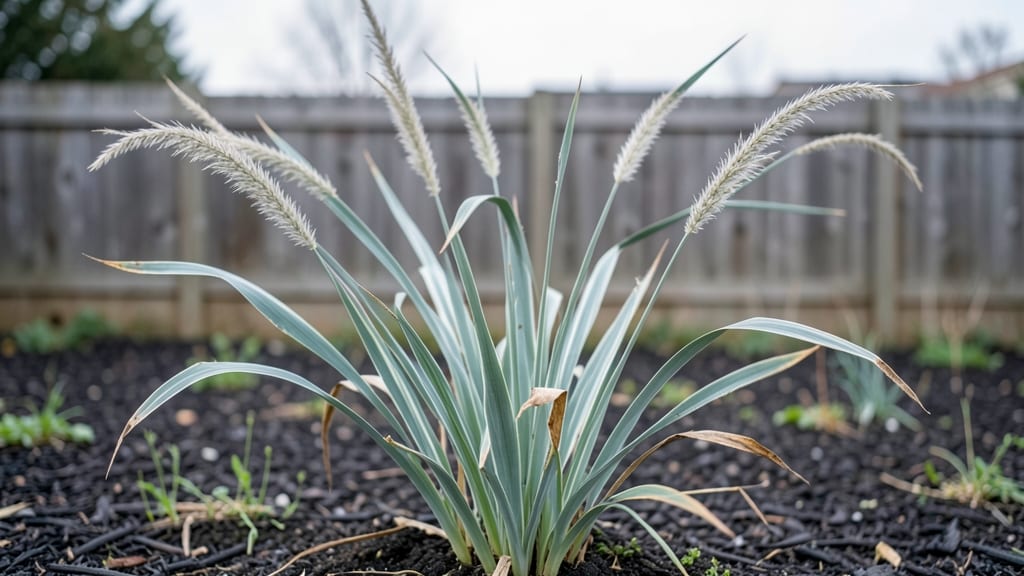
White flowering grasses add dramatic height to any landscape without the fuss of pruning or mowing. I fell in love with them after my first Miscanthus sinensis 'Zebrinus'—its feathery plumes sway in the breeze like ghostly fingers, catching the light in ways no shrub ever could.
The best part? They thrive on neglect, making them perfect for busy gardeners or those who want effortless elegance.
These grasses shine in color contrast—pair white blooms with deep purple salvias, fiery red sedum, or soft lavender catmint for a showstopping combo.
They also bring seasonal interest: some varieties like Pennisetum 'White Wonder' stay striking from summer through winter, while Stipa tenuissima adds airy texture even when not in bloom. The key is choosing the right spot: full sun brings out their best colors, but they tolerate partial shade too.
You’ll create low-maintenance drama with minimal effort. Just plant, water occasionally, and watch them grow—no deadheading, no staking, no fuss. These grasses also clean the air better than many shrubs, making your yard both beautiful and functional. Once established, they’ll outperform annuals every year without the replanting.
Use them as statement borders, dramatic container specimens, or even meadow-style plantings where they’ll sway like a natural windbreak. Whether your style is modern, cottage, or wild, white flowering grasses deliver height, texture, and movement with almost no upkeep. Here’s how to make them work in your space.
Why Your Grass Turns White
If your once-lush green lawn has started developing patches of white flowering grass, you’re not alone—this phenomenon is more common than you might think. While it might seem like a sudden mystery, there are clear scientific reasons behind those unexpected white blooms.
Understanding these causes helps you decide whether to embrace them (they’re not always bad!) or take action to restore your lawn’s original look. Let’s break down the most common triggers, backed by horticultural science.
White flowering grass often signals a nutrient imbalance, particularly a lack of nitrogen, phosphorus, or potassium—the "big three" macronutrients essential for healthy turf. Here’s how it plays out:
- Nitrogen (N) deficiency: This macronutrient fuels leafy growth. Without enough nitrogen, grass weakens, allowing weeds (including white-flowering types like Microstegium vimineum) to take over. Think of it like skipping meals—your lawn gets too weak to compete.
- Phosphorus (P) or potassium (K) shortages: These nutrients support root development and stress resistance. When they’re lacking, grass struggles to outcompete invasive species, which thrive in these gaps.
- Soil pH imbalance: If your soil is too acidic (pH below 6.0) or alkaline (pH above 7.5), nutrients become "locked" and unavailable. White flowering grass often exploits these conditions because it tolerates poor soil chemistry better than turfgrass.
Actionable fix: Test your soil (kits cost ~$20) and amend with compost or a balanced fertilizer (e.g., 10-10-10). Lime raises pH; sulfur lowers it. Pro tip: 💡 Over-fertilizing can also stress grass, so follow label rates!
Grass is resilient, but extreme environmental factors can push it to its limits—creating openings for white flowering species to move in. Key stressors include:
- Drought or poor drainage: White flowering grass (like Dactylis glomerata, or orchard grass) often thrives in dry, compacted, or waterlogged soils where turfgrass struggles. These species have deep roots or drought tolerance, giving them an edge.
- Excess shade: Many lawn grasses (e.g., Kentucky bluegrass) need 4–6 hours of sunlight daily. Under trees or buildings, they weaken, while shade-tolerant white-flowering weeds (like Poa annua) dominate.
- Heat or cold shock: Sudden temperature swings (e.g., late frost or early heatwaves) can kill off turfgrass, leaving bare spots for invasive species to colonize.
Actionable fix: Improve soil aeration with a core aerator (rent for ~$60/day) and water deeply 1–2 times per week (1 inch total). For shade, choose shade-tolerant grasses like fine fescue or overseed thin areas with a mix designed for low light. Pro tip: 🌡️ Mulch around trees to protect roots and regulate soil temp!
White flowering grass often hitches a ride into your lawn through contaminated seed mixes, compost, or even windborne seeds. Here’s how it happens:
- Cheap grass seed blends: Some "grass seed" sold at big-box stores contains up to 20% weed seeds, including white-flowering species like Setaria (foxtail) or Digitaria (crabgrass). These are labeled as "fillers" but sprout when conditions are right.
- Compost or mulch: Untreated compost from unknown sources may harbor dormant weed seeds. Even "premium" mulch can contain hitchhiking species.
- Adjacent wild areas: If your property borders a field, forest edge, or even a neighbor’s yard with white flowering grass, seeds can travel via wind, animals, or mower blades.
Actionable fix: Buy certified weed-free seed from reputable suppliers (look for labels like "NTEP" or "noxious weed-free"). Before planting, solarize soil (cover with clear plastic for 4–6 weeks in summer) to kill existing weed seeds. Pro tip: ✨ Use a seed magnet (a strong magnet passed over seed bags) to remove metal-coated weed seeds!
Sometimes, white flowering grass isn’t the invader—it’s a symptom of a deeper problem. Pests and diseases can weaken turfgrass, creating opportunities for these species to move in:
- Grub infestations: Japanese beetle grubs or white grubs feed on grass roots, killing patches. White flowering grass seeds germinate in the disturbed, nutrient-rich soil left behind.
- Fungal infections: Diseases like dollar spot or brown patch create dead zones where turfgrass can’t recover. Weeds like Chloris (windmill grass) fill these gaps quickly.
- Rodent or vole damage: These critters gnaw roots and create bare spots, which white flowering species exploit.
Actionable fix: Treat grubs with beneficial nematodes or insecticidal soap. For fungus, apply a fungicide with propiconazole or myclobutanil. Set traps for voles and reseal soil with a soil stabilizer like hydroseed. Pro tip: 🔥 Early spring or fall are the best times to treat grubs—avoid summer heat stress!
Key takeaway: White flowering grass isn’t always a disaster—it can be nature’s way of telling you your lawn needs a tune-up. Start with a soil test, address the root cause (literally!), and your turf can bounce back. Or, if you like the wildflower look, lean into it with a low-maintenance meadow mix!
Fixing Overgrowth & Pests Naturally
White flowering grasses—like ornamental miscanthus or pampas grass—can thrive with minimal fuss, but overgrowth, pests, or environmental stress can turn your lush landscape into a tangled mess. The good news?
Most issues have simple, eco-friendly fixes. Below, we’ve mapped common problems to practical solutions, plus prevention tips to keep your grass looking dramatic year-round.
Cause: Fast growth, lack of pruning, or ideal conditions (sun, water, soil). Fix It:
- 🔪 Trim strategically: Use sharp pruners or hedge shears to cut back 1/3 of the plant’s height in early spring or after flowering. Avoid cutting into old stems—focus on new growth.
- 🌡️ Thin out clusters: If grass clumps are dense, divide the plant in early spring. Dig up sections, separate roots, and replant 18–24 inches apart.
- ⏰ Prune at the right time: Cut back dead foliage in late winter (before new shoots emerge) to encourage fresh growth.
💡 Prevention Tip:
- Mulch around the base with wood chips to suppress weeds and retain moisture without overwatering.
- Space plants properly (follow species guidelines) to reduce competition and overcrowding.
Cause: Soft stems attract pests like spider mites, aphids, or grubs feeding on roots. Fix It:
- 🚰 Blast off pests: Spray plants with a strong stream of water to dislodge aphids or mites. Repeat every 3–4 days.
- 🍳 Homemade pesticide: Mix 1 tsp neem oil + 1 tsp mild soap + 1 quart water in a spray bottle. Apply to both sides of leaves at dusk.
- 🌱 Boost plant health: Healthy grass repels pests. Fertilize lightly in early spring with a balanced, slow-release formula (10-10-10).
💡 Prevention Tip:
- Encourage natural predators: Plant marigolds or lavender nearby—they deter pests and attract beneficial insects like ladybugs.
- Avoid overwatering: Wet foliage invites fungal issues that attract pests. Water at the base in the morning.
Cause: Poor soil, fungal infections (like rust), or root rot from overwatering. Fix It:
- 📊 Test your soil: Use a DIY soil test kit (available at garden centers). Amend with compost or organic matter if deficient in nitrogen or phosphorus.
- 🌿 Treat fungal issues: Sprinkle copper fungicide (follow label) or apply baking soda spray (1 tbsp baking soda + 1 quart water + a drop of soap) for mild cases.
- 💧 Adjust watering: Let soil dry 2–3 inches deep between waterings. Use drip irrigation to avoid wetting leaves.
💡 Prevention Tip:
- Improve drainage: If your yard has clay soil, amend with sand or perlite before planting.
- Space plants for airflow: Crowded grass stays damp longer, inviting mold. Prune back surrounding plants to allow sunlight and air circulation.
Cause: Freeze-thaw cycles, lack of mulch, or young plants not hardened off. Fix It: - 🔥 Trim dead fronds: After the last frost, cut back brown stems to the ground.
New growth will emerge from the base. - 🛡️ Protect tender varieties: Wrap young or tropical grasses (like white fountain grass) with burlap in late fall to shield from harsh winds. - 🌱 Feed in early spring: Apply a slow-release fertilizer once new shoots appear (late April–May in most zones).
💡 Prevention Tip:
- Mulch heavily (3–4 inches) around the base before the first frost. Use straw or shredded leaves—they insulate roots better than wood chips in winter.
- Choose cold-hardy varieties: If your zone gets below 10°F, opt for Miscanthus sinensis ‘Malepartus’ or Pennisetum ‘Hameln’, which tolerate frost better.
- 🌞 Sunlight: Most white flowering grasses need full sun (6+ hours/day). If yours is leggy, it might be light-deprived—relocate if possible. - 💧 Watering: Deep and infrequent is key. 1–1.5 inches per week (including rain) is ideal.
Use a moisture meter to check soil depth. - 🪓 Tools to have on hand: - Hedge shears (for clean cuts) - Gloves (some grasses have sharp edges!) - Pruning saw (for thick stems)
✨ Pro Tip: If your grass stops flowering, it might be over-fertilized with nitrogen. Switch to a low-nitrogen, high-phosphorus fertilizer (like 5-10-10) to encourage blooms.
With these fixes, your white flowering grass will stay tall, dramatic, and pest-free—with almost no extra effort. Happy gardening!
Frequently asked questions
What are the best white flowering grasses for small gardens?
For compact spaces, try Pennisetum 'White Wonder' (3–4 feet tall) or Miscanthus 'Little Zebra' (3–4 feet with striped foliage). Both add height without overwhelming small yards. Place them near pathways or as container specimens for maximum impact.
How do I make white flowering grasses bloom more?
To encourage blooms, reduce nitrogen fertilizer (it promotes leafy growth, not flowers) and increase phosphorus. Prune back dead stems in late winter, then fertilize with a 5-10-10 formula in early spring. Most varieties bloom best in full sun (6+ hours/day).
Are white flowering grasses deer-resistant?
Some varieties like Miscanthus sinensis and Stipa tenuissima are deer-resistant, but others (like Pennisetum alopecuroides) may be browsed. Plant them near deer-proof barriers or pair with strongly scented herbs (like rosemary) to deter deer.
Can I grow white flowering grasses in containers?
Yes! Dwarf varieties like Pennisetum 'Burgundy Bunny' or Miscanthus 'Cabaret' thrive in 12–18-inch pots with drainage holes. Use a well-draining potting mix and repot every 2–3 years. Place containers in full sun for best results.
Why did my white flowering grass turn brown over winter?
Brown stems are normal in winter—most grasses go dormant. Cut back dead foliage in late winter or early spring (before new growth emerges). If your grass stays brown into spring, it may need more sun or better drainage.