
Succulent
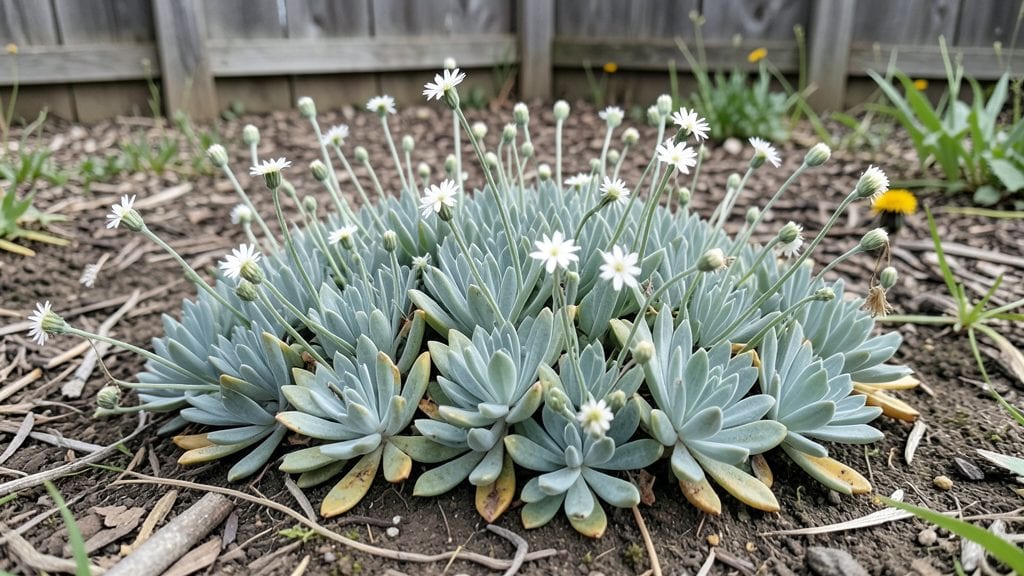
White flowered sedum turns any garden into a cloud of delicate, airy blooms that last from summer into fall. ✨ I’ve used it to soften sharp edges in my rock garden, and the way it catches the light—like tiny snowflakes—makes it impossible to ignore.
It thrives where other plants wilt, so you can finally stop worrying about watering and start enjoying the view.
The secret to its charm lies in how it pairs with other plants. Try tucking it alongside deep purple salvias or dusty blue lavender for a striking contrast, or let it spill over container edges for a cascading effect.
It even holds its own in full sun, where its silvery foliage adds texture before the flowers even appear. Once established, it’s nearly indestructible—perfect for busy gardeners who still want drama.
📚 In This Guide
- What you need
- Instructions
- Tips and common mistakes
- Wrapping up and next steps
What you need
- ● White flowered sedum plants (1-5, depending on desired coverage): Mature plants (nursery-grown, 4"-6" pots) for quick results
- ● OR seeds (if starting from scratch—requires patience!)
- ● Well-draining soil mix (5-10 gallons): 60% potting soil
- ● 30% perlite or coarse sand
- ○ 10% compost (optional, for nutrients)
- ● Containers or garden beds: Containers: 6"-8" pots with drainage holes (1 per plant)
- ● OR sunny, well-draining garden beds (partial shade tolerated)
- ● Watering can or hose with gentle spray nozzle (for hydration)
- ● Gloves and pruning shears (for handling and trimming)
- ● Garden trowel (for transplanting)
- ● Mulch (gravel or decorative stones) (to retain moisture and prevent weeds)
- ● Fertilizer (balanced, 10-10-10) (lightly, 1-2 times per growing season)
- ● Stakes or trellis (if growing trailing varieties)
- ● Plant labels (to track varieties and care notes)
Step-by-Step guide to planting white flowered sedum
Here's how to establish these drought-resistant beauties with minimal fuss.
🪴 Step 1: Prepare the Planting Site
Sedum thrives in full sun, so choose a spot that gets at least 6 hours of direct sunlight daily. Clear the area of weeds and loosen the soil to a depth of 12 inches using a garden fork. Sedum prefers well-draining soil, so if your garden soil is heavy clay, mix in 2 inches of coarse sand or grit to improve drainage.
I like to rake the area smooth afterward—this helps prevent water pooling around the roots, which sedum absolutely hates. The soil should feel slightly crumbly when you squeeze it; if it sticks together, add more sand or compost to lighten it up.
🌱 Step 2: Plant the Sedum Correctly
Dig holes that are just slightly wider than the sedum's root ball—about twice the diameter of the container it came in. Space the plants 18-24 inches apart to give them room to spread. Remove the sedum from its container and gently loosen the roots if they're circling.
Place each plant in its hole at the same depth it was growing in the container. Fill the hole with soil, pressing lightly around the base to eliminate air pockets. Water deeply right after planting to settle the soil and encourage root contact.
💧 Step 3: Water and Mulch for Success
Water the newly planted sedum until the soil is moist 6 inches deep. After the first watering, let the soil dry out completely before watering again—this helps establish strong roots. Apply a 2-inch layer of mulch around each plant, keeping it 2 inches away from the stem to prevent rot.
I use shredded bark or small gravel for mulch because it stays in place and doesn't smother the plants. Mulch helps retain moisture while keeping roots cool, which is especially important during hot summer months. Avoid over-mulching, though—too much can suffocate the plants.
☀️ Step 4: Maintain with Minimal Care
Once established, white flowered sedum needs very little care. Water only when the soil feels dry to the touch 2-3 inches below the surface, usually about once every 2-3 weeks in normal conditions. These plants are drought-tolerant, so don't worry if you forget to water occasionally.
Deadhead spent flowers in late summer to encourage a second flush of blooms and keep the plant looking tidy. In early spring, trim back any dead or damaged growth to make room for new growth. Sedum rarely needs fertilizing—too much can actually harm these hardy plants.
✂️ Step 5: Divide and Propagate as Needed
Every few years, you may notice your sedum getting crowded. In early spring, dig up the plant and divide it into smaller sections using a clean knife. Replant the divisions immediately, following the same spacing guidelines. This keeps your sedum healthy and prevents overcrowding.
You can also propagate sedum from stem cuttings. In early summer, cut a healthy stem about 3-4 inches long and let it dry for a day or two. Plant the cutting in well-draining soil and keep it lightly moist until it roots, which usually takes about 2-3 weeks. This is a great way to share plants with friends or fill in gaps in your garden.
Tips & tricks for perfect white flowered sedum planting
A few simple strategies will help you get the most out of your drought-resistant sedum—these are the tricks that make all the difference in long-term success.
Sunlight Secret: While sedum thrives in full sun, I've found that morning sun with afternoon shade works best in extremely hot climates. If your plants start looking stressed in Step 1, watch for leaves turning yellow—this is a sign they're getting too much intense afternoon heat. A light shade cloth during peak summer hours can work wonders without sacrificing that sun exposure they need.
Soil Test Tip: Before amending your soil in Step 1, do a simple squeeze test: Grab a handful of moist soil and press it in your palm. If it holds its shape tightly, you definitely need that 2 inches of coarse sand or grit. If it crumbles easily, your soil's already perfect for sedum. This quick check saves you from over-amending, which can actually harm the roots.
Planting Depth Cue: When placing your sedum in Step 2, look for the soil line on the container where the plant was growing. This is your perfect planting depth—burying too deep can cause rot, while planting too shallow exposes roots to drying out. I like to mark this line with a pencil before removing plants from their containers.
Watering Wisdom: That first deep watering in Step 3 is crucial, but don't overdo it. I use a long screwdriver to check moisture after watering—if it comes out dry at 6 inches deep, water again. The goal is to saturate without creating soggy conditions. After that initial watering, let the soil dry completely between waterings—this tough-love approach builds strong roots that can handle drought.
Pro Tips for White Flowered Sedum
- A few simple strategies will help you get the most out of your drought-resistant sedum—these are the tricks that make all the difference in long-term success.
- Sunlight Secret: While sedum thrives in full sun, I've found that morning sun with afternoon shade works best in extremely hot climates.
- Soil Test Tip: Before amending your soil in Step 1, do a simple squeeze test: Grab a handful of moist soil and press it in your palm.
Frequently asked questions
Got questions about growing white-flowered sedum? You’re not alone! Here are answers to the most common queries—from planting tips to troubleshooting—so you can keep your drought-proof beauty thriving with minimal fuss.
How do I encourage more white flowers on my sedum?
White-flowered sedum blooms best with full sun (6+ hours daily) and well-draining soil. Prune spent flowers in early summer to redirect energy to new growth. Avoid over-fertilizing—sedum thrives in lean conditions! For extra blooms, divide mature plants every 3–4 years to rejuvenate vigor.
When is the best time to plant white-flowered sedum?
Plant in early spring or fall when temperatures are mild (50–75°F). This gives roots time to establish before summer heat or winter dormancy. Avoid planting in peak summer—young plants may struggle with heat stress. Container gardening? Plant anytime, but water lightly until roots settle (usually 2–3 weeks).
How often should I water white-flowered sedum?
Once established, sedum is drought-tolerant—water only when soil is bone-dry (every 2–3 weeks in summer, less in winter). Overwatering causes root rot! New plants need weekly watering until roots spread (6–8 weeks). Pro tip: Let rain do the work—sedum stores water in its leaves like a succulent.
What are some low-maintenance alternatives to white-flowered sedum?
If you love sedum’s easy-care charm, try these drought-resistant picks:
- Ice Plant (Delosperma): Bright flowers, spreads fast, thrives in poor soil.
- Lamb’s Ear (Stachys byzantina): Silvery foliage, soft texture, loves sun.
- Russian Sage (Perovskia): Lavender-blue blooms, deer-resistant, heat-proof.
- Hen & Chicks (Sempervivum): Succulent cousin with rosette leaves and minimal water needs.
Why are my sedum leaves turning yellow or mushy?
Yellow/mushy leaves usually mean overwatering or poor drainage. Let soil dry completely between waterings, and ensure pots/containers have drainage holes. Check for pests like aphids or mealybugs—wipe leaves with soapy water if infested. If soil feels soggy, repot in fresh, gritty mix (add perlite or sand).
Can white-flowered sedum grow in containers or hanging baskets?
Sedum thrives in containers—just use a fast-draining mix (cactus/succulent soil + perlite). Choose shallow pots for trailing varieties like Sedum ‘Angelina’ or deeper ones for upright types. Hang baskets in full sun and water sparingly—container soil dries out faster than ground soil.
Wrapping up and next steps
White flowered sedum is the perfect choice for gardeners who crave beauty without the fuss—its drought tolerance, striking blooms, and easy care make it a standout star.
Whether you're a beginner or a seasoned pro, this hardy succulent brings effortless elegance to any space, proving that stunning gardens don’t require endless upkeep. 🌸
Ready to transform your outdoor (or indoor!) oasis? Start small—plant a single pot or dedicate a sunny corner to a sedum patch. Your future self (and your plants!) will thank you. Happy gardening! 🌱