
Trees
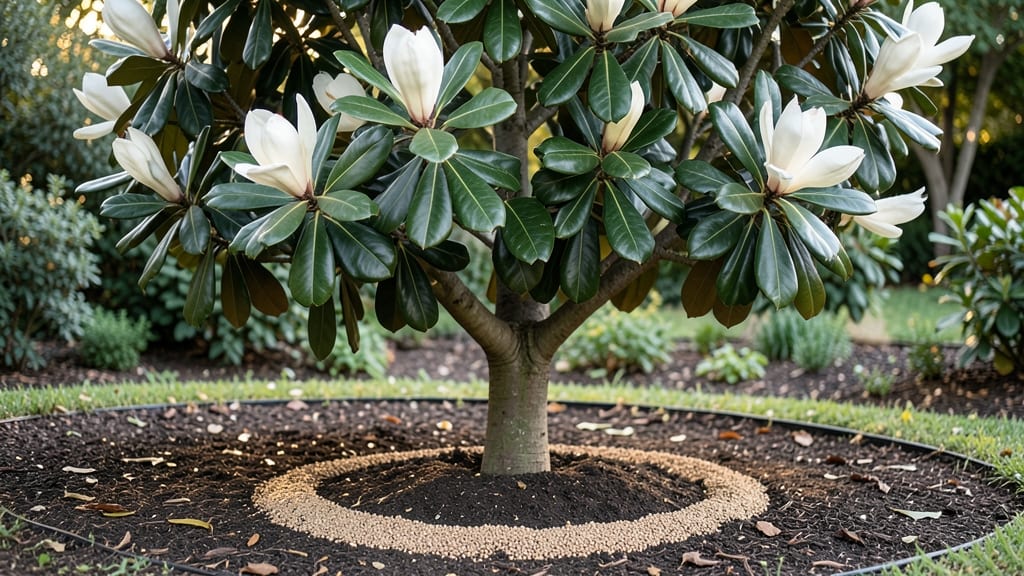
Fertilizing flowering trees at the right time 🌸 can transform your yard from a sleepy corner to a burst of color—but get the timing wrong, and you’ll end up with half-hearted blooms or even stressed-out trees.
Struggling to get your flowering trees to burst into vibrant blooms year after year? The secret might be simpler than you think—timing your fertilization correctly can make all the difference between a lackluster display and a stunning floral spectacle.
Most gardeners focus on when to plant, but the best time to fertilize flowering trees is actually tied to their natural growth cycles. In Zone 6, early spring—right after buds begin to swell—is your first chance to give them a nutrient boost without disrupting their bloom phase.
Below, I’ll break down the exact timing, how to choose the right fertilizer, and what to avoid doing during critical growth periods so your trees thrive—and show off their brightest blooms yet.
Best fertilization timeline for flowering trees by season
Timing your flowering tree fertilization is like scheduling a performance—get it wrong, and your star might underdeliver. Most gardeners make the mistake of fertilizing at the wrong time, often right before blooming or during dormancy, which can actually reduce flower production instead of boosting it.
The key is to feed your trees when they're ready to grow, not when they're already focused on showing off their best blooms.
Think of your flowering trees as athletes preparing for a big game. You wouldn't feed them a heavy meal right before competition—you'd fuel them during training. Similarly, we want to support their root development and leaf growth in early spring, not push them to bloom too early.
Let's break down the perfect seasonal fertilization schedule to maximize those show-stopping blooms year after year.
| Season | Task | Timing | Notes |
|---|---|---|---|
| Early Spring | Apply balanced fertilizer (10-10-10) | After last frost, when buds swell | Encourages new growth before blooming |
| Late Spring | Light feeding with phosphorus-rich fertilizer | After blooming season | Supports root and flower bud development |
| Summer | Skip or minimal feeding | After July | Avoid late-season growth vulnerable to frost |
| Fall | No fertilization | Before first frost | Tree enters dormancy—no new growth needed |
| Winter | No fertilization | Dormant period | Tree conserves energy—fertilizer would be wasted |
Let's start with early spring fertilization, which is your first critical window. This is when you want to give your trees a nutrient boost to kickstart their growth after winter dormancy. Aim to fertilize right after the last frost when you notice those buds beginning to swell.
For most flowering trees, this falls between March and April in most USDA zones. Use a balanced fertilizer like 10-10-10 to provide equal parts nitrogen, phosphorus, and potassium.
Here's where many gardeners go wrong: they fertilize too heavily right before blooming. This can actually reduce flower production because the tree focuses its energy on leaf growth instead of developing flower buds.
Instead, apply your first spring feeding about 4-6 weeks before you expect blooms to appear. For example, if your crabapple tree typically blooms in May, fertilize in early April.
After the blooming season, shift to a phosphorus-heavy fertilizer like 5-10-5 or 10-20-10. This helps your trees replenish energy stores and prepare for next year's blooms. Apply this late spring feeding about 6-8 weeks after flowers have fallen.
For azaleas or magnolias, this would be around late May to early June. Remember to water thoroughly after applying fertilizer to help nutrients reach the roots.
Summer is generally a time to back off on fertilization, especially after July. By this point, most flowering trees have already set their buds for next year, and late-season growth can be vulnerable to frost damage.
If your tree shows signs of nutrient deficiency like yellowing leaves, you can apply a light feeding in early summer, but avoid heavy applications. Focus instead on deep watering and mulching to maintain soil moisture and temperature.
Fall and winter are critical periods to avoid fertilization entirely. During these months, your trees are in dormancy, conserving energy for next year's growth. Applying fertilizer now would encourage late-season growth that could be damaged by frost, leaving your tree more vulnerable to cold-related stress.
Instead, focus on cleaning up fallen leaves and mulching around the base to protect roots during winter.
For newly planted flowering trees, the rules are slightly different. These young trees need extra care to establish strong root systems. Fertilize lightly at planting time with a slow-release fertilizer, then follow up with a second application in early spring.
Avoid heavy feeding for the first year, as this can actually burn young roots and set your tree back. Instead, focus on consistent watering and well-draining soil to help your new tree get off to the right start.
One common mistake I see is over-fertilizing fruit-bearing flowering trees like cherry blossoms or apple trees. These trees need a different approach—more nitrogen early in the season to support leaf growth, then a shift to phosphorus as blooming approaches.
For these varieties, consider a two-step fertilization plan: first with a nitrogen-rich fertilizer in early spring, then switch to a phosphorus-heavy formula after buds appear.
Pro tip: Always test your soil before fertilizing. Many garden soils have enough nutrients that additional fertilizer isn't needed. A simple soil test kit from your local extension office can reveal exactly what your trees need.
This small investment can save you from over-fertilizing and potentially harming your trees. Remember, when it comes to flowering trees, less can often be more—especially when it comes to timing your fertilizer applications.
How to choose the right fertilizer type for your flowering trees
Choosing the right fertilizer type for your flowering trees can feel overwhelming with so many options available. The key is understanding how different fertilizers impact bloom production and tree health.
Organic fertilizers, like compost or fish emulsion, release nutrients slowly, improving soil structure over time, while synthetic fertilizers deliver quick, concentrated results. Your tree's specific needs—whether it's an azalea, magnolia, or fruit tree—will determine which option works best.
Another critical factor is the NPK ratio, which indicates the balance of nitrogen (N), phosphorus (P), and potassium (K). For flowering trees, a balanced ratio like 10-10-10 or a slightly higher phosphorus ratio, such as 12-6-6, encourages abundant blooms.
Slow-release fertilizers provide steady nutrition, while quick-release options give an immediate boost but require more frequent applications. Let’s break down the pros and cons to help you make the best choice for your garden.
Organic vs. Synthetic Fertilizers for Flowering Trees
Organic Fertilizers
- Pros: Improves soil health, slow-release nutrients, eco-friendly
- Cons: Slower results, may require larger amounts
Best for: Long-term soil enrichment, azaleas, magnolias
Synthetic Fertilizers
- Pros: Fast-acting, precise NPK ratios, easy to apply
- Cons: Can burn roots, no soil benefits, environmental impact
Best for: Quick nutrient boost, fruit trees, established trees
Slow-Release Fertilizers
- Pros: Steady nutrition, fewer applications, reduces risk of over-fertilization
- Cons: Higher upfront cost, less flexible for immediate needs
Best for: Year-round feeding, newly planted trees
Quick-Release Fertilizers
- Pros: Immediate nutrient boost, great for stressed trees
- Cons: Requires frequent reapplication, risk of root burn
Best for: Reviving weak trees, post-bloom recovery
For azaleas and rhododendrons, which thrive in acidic soil, organic options like composted pine bark or cottonseed meal are ideal. These fertilizers not only provide essential nutrients but also help maintain the acidic pH these trees prefer.
On the other hand, magnolias and fruit trees benefit from a balanced 10-10-10 synthetic fertilizer during their active growth phases to support both foliage and fruit production.
If you're unsure which type to choose, start with a slow-release organic fertilizer like composted manure or a granular organic blend. These options are versatile and reduce the risk of over-fertilization, which can harm your tree's roots.
Always apply fertilizer in the early spring, just as new growth begins, and again in late spring after the blooming season to support root development for next year.
One common mistake is using a high-nitrogen fertilizer, which promotes leafy growth at the expense of flower production. Instead, opt for a low-nitrogen, high-phosphorus blend to encourage more vibrant blooms.
For example, a 5-10-5 ratio is perfect for flowering trees, as it prioritizes phosphorus to stimulate root and flower development while keeping nitrogen in check.
Finally, always follow the manufacturer's instructions for application rates. Over-fertilizing can lead to nutrient burn, stunted growth, or even tree death. If you're using organic fertilizers, consider mixing them into the top 6 inches of soil rather than applying them to the surface.
This ensures a steady release of nutrients and maximizes their effectiveness for your flowering trees.