
Shrubs
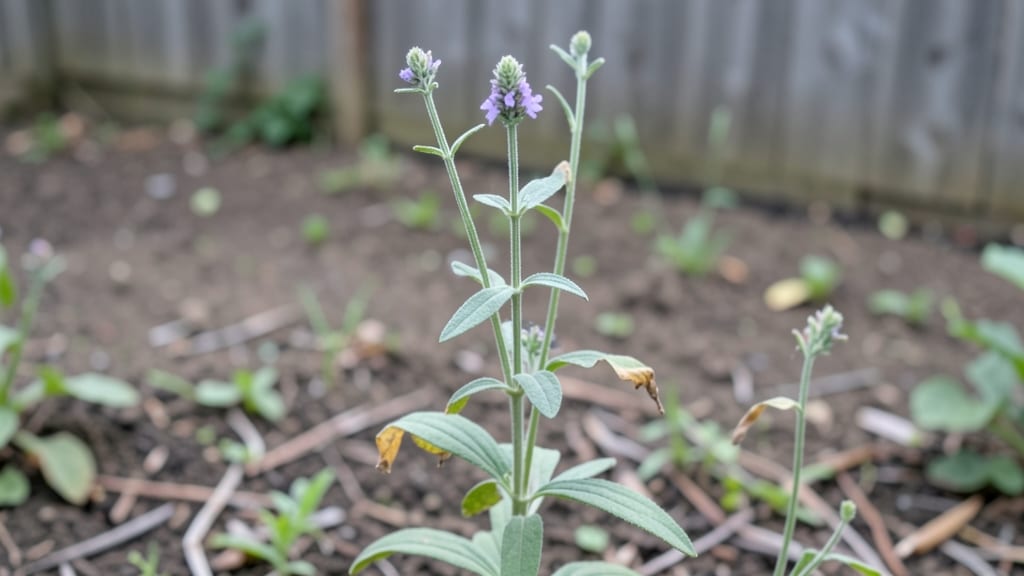
Verbena not flowering? That stubborn green wall of leaves hiding its potential is a common frustration—until you tweak three key things. I’ve nursed back more than a dozen verbena plants from leafy disappointment to vibrant bloomers by focusing on sunlight, pruning, and feeding.
The secret isn’t complicated, but it’s easy to overlook the basics.
Most verbena varieties crave 6+ hours of direct sun daily—any less and they’ll put all their energy into foliage instead of flowers. Over-fertilizing with nitrogen-heavy mixes also sends plants into leafy overdrive, while deadheading spent blooms (or worse, letting them go to seed) signals the plant to pause flowering.
Even well-watered verbena can get stressed by inconsistent moisture or compacted soil.
With the right adjustments, you’ll see buds within 2-3 weeks—bright clusters of purple, pink, or white that transform your patio or border. The fix starts with a sharp pair of pruners, a balanced fertilizer, and a sunny spot. Let’s get those blooms back in action before summer fades.
Works for both annual and perennial verbena, whether you’re dealing with a potted plant or in-ground border. The same principles apply whether your verbena is struggling in heat or shade—just dial up or down the sunlight and water accordingly. Here’s how to diagnose and revive yours.
Common Reasons Your Verbena Won’t Bloom
If your verbena plants are putting out lush green foliage but refusing to flower, don’t panic—there are usually clear, fixable reasons behind it. Understanding these causes is the first step to reviving your plant’s blooming potential.
Let’s break down the most common culprits, backed by science, so you can take action.
Verbena (Verbena spp.) is a sun-worshipper, and too little light is one of the top reasons it skips flowering. These plants thrive in full sun (6–8+ hours daily), but when sunlight drops below 4–5 hours, they prioritize leaf growth over energy-intensive blooms.
Why it happens:
- Photosynthesis slowdown: Sunlight triggers the production of florigen, a hormone that signals flowering. Low light reduces florigen, so your verbena stays in "leaf mode."
- Leggy growth: Stretched, weak stems are a dead giveaway—your plant is reaching for light but can’t produce flowers without enough energy.
- Seasonal shifts: Overcast climates or winter’s shorter days can delay blooming until conditions improve.
Actionable fix:
- Move potted verbena to a south- or west-facing spot (or under grow lights if indoors).
- Prune nearby trees or structures blocking sunlight.
- If growing in shade, opt for Verbena × hybrida ‘Homestead Purple’—it tolerates partial shade better than most.
While fertilizer feeds your verbena, too much nitrogen (N)—especially in high-phosphorus or potassium-deficient blends—can stunt flowering. Nitrogen fuels leafy growth, but phosphorus (P) and potassium (K) are critical for blooms.
Why it happens:
- Nitrogen dominance: A fertilizer with a ratio like 10-10-10 or 30-10-10 (high first number) pushes foliage over flowers.
- Root burn: Excess salts from over-fertilizing can stress roots, reducing their ability to absorb nutrients needed for blooming.
- Wrong timing: Feeding late in the season (after mid-summer) can encourage new leaves instead of flower buds.
Actionable fix:
- Switch to a balanced or bloom-boosting fertilizer (e.g., 5-10-10 or 10-20-20).
- Stop fertilizing 6–8 weeks before your first frost—verbena needs time to set buds.
- Flush the soil with water if you suspect salt buildup (let water run through the pot for 10–15 minutes).
Verbena is drought-tolerant but hates soggy roots or inconsistent watering, both of which can halt flowering. Too little water stresses the plant, while too much leads to root rot or nutrient deficiencies.
Why it happens:
- Underwatering: Drought stress triggers survival mode—your verbena conserves energy by shedding buds instead of opening them.
- Overwatering: Compacted, waterlogged soil suffocates roots, preventing them from accessing phosphorus and potassium (key for blooms).
- Inconsistent soil moisture: Fluctuating wet/dry cycles confuse the plant, delaying flowering signals.
Actionable fix:
- Water deeply but infrequently: Aim for 1–1.5 inches per week (check soil moisture—top 1–2 inches should be dry before watering).
- Use well-draining soil: Mix in perlite or sand if your soil is heavy clay.
- Mulch lightly (1–2 inches) to retain moisture without smothering roots.
Verbena blooms on new wood, meaning it sets buds on fresh growth. If you prune too late in the season, you might remove potential flower sites before they develop.
Why it happens:
- Late-season cuts: Pruning after mid-summer (especially in warm climates) can trim off next year’s flower buds.
- Aggressive pruning: Shearing back too hard removes growth points where blooms form.
- Deadheading neglect: While verbena self-seeds, not removing spent blooms can divert energy to seed production instead of new flowers.
Actionable fix:
- Prune in early spring (just as new growth starts) to encourage bushy, flower-rich stems.
- Deadhead regularly (pinch off faded blooms) to prompt continuous flowering.
- Avoid heavy cuts after July/August—save pruning for next year.
Verbena is adaptable but struggles with extreme heat, cold snaps, or transplant shock, all of which can delay or prevent flowering.
Why it happens:
- Heat stress: Temperatures above 90°F (32°C) for prolonged periods can shock the plant, halting bud development.
- Cold sensitivity: Verbena is tender perennial—frost or near-freezing temps can damage meristem tissue (where buds form).
- Transplant shock: Recently moved verbena may redirect energy to root recovery instead of blooming.
Actionable fix:
- Provide afternoon shade in scorching climates (use shade cloth if needed).
- Mulch heavily in winter to protect roots (but avoid smothering the crown).
- Wait to transplant until after the last frost—give plants 4–6 weeks to recover before expecting flowers.
Not all verbena varieties thrive in the same conditions. If you’re growing a tropical species (like Verbena bonariensis) in a cold climate—or a cold-hardy type (like Verbena × hybrida) in a humid, hot zone—it may refuse to bloom.
Why it happens:
- Day-length sensitivity: Some verbena need long daylight hours (14+) to trigger flowering (common in short-day plants).
- Humidity issues: High humidity can promote fungal diseases (like powdery mildew), weakening the plant and reducing blooms.
- Soil pH mismatch: Verbena prefers slightly acidic to neutral soil (pH 6.0–7.0)—alkaline soil (pH >7.5) can lock out nutrients like phosphorus.
Actionable fix:
- Choose climate-matched varieties:
- Hot, dry climates: Verbena × hybrida (e.g., ‘Homestead Purple’).
- Cool, short-season areas: Verbena bonariensis (tall, airy blooms).
- Humid regions: Verbena canadensis (wild ginger).
- Test soil pH and amend with sulfur (to lower pH) or lime (to raise pH) if needed.
Hidden pests (like aphids, spider mites, or whiteflies) or diseases (e.g., powdery mildew) sap your verbena’s energy, leaving it too weak to flower.
Why it happens:
- Sap-sucking pests: Aphids and mites inject toxins that distort new growth, preventing bud formation.
- Fungal infections: Powdery mildew clogs stomata (leaf pores), reducing photosynthesis and nutrient uptake.
- Root damage: Grubs or nematodes compromise roots, limiting water and nutrient absorption.
Actionable fix:
- Inspect leaves undersides for pests—spray with neem oil or insecticidal soap if found.
- Improve airflow (space plants 12–18 inches apart) to prevent mildew.
- Rotate crops if replanting in the same spot to avoid soil-borne diseases.
Revitalize Your Verbena’s Bloom
If your verbena has gone dormant and refuses to flower, don’t toss it out just yet! With the right tweaks, you can coax it back to life and enjoy those vibrant blooms again.
Below are targeted solutions for the most common causes—each with step-by-step fixes and prevention tips to keep your verbena thriving.
Verbena craves sunlight—at least 6 to 8 hours daily. If it’s tucked in the shade, it’ll focus on leaf growth instead of flowers.
How to Fix It:
🔥 🌞 Relocate Your Plant
- Move it to a spot with full sun exposure, like a south- or west-facing garden bed or balcony.
- If repotting, choose a container with good drainage and place it in direct sunlight.
🍳 🌱 Prune for Better Airflow
- Trim leggy or crowded stems to improve light penetration.
- Remove dead or yellowing leaves to redirect energy to flowering.
👨🍳 🌿 Gradual Transition (If Moving Indoors/Outdoors)
- If bringing it from shade to sun, do it gradually over 7–10 days to avoid sunburn.
💡 Prevention Tips:
✔ Plant in full sun from the start—verbena hates shade. ✔ Use reflective surfaces (like white mulch or mirrors) to bounce extra light onto potted verbena. ✔ Monitor leaf color—yellowing leaves mean more sun is needed.
Too much moisture stresses verbena, causing it to skip flowering. These plants prefer dry soil between waterings.
How to Fix It:
🔥 💦 Check the Soil Moisture
- Stick your finger 1–2 inches deep—if damp, wait before watering.
- Verbena thrives in well-draining soil—sandy or loamy mixes work best.
🍳 🏺 Improve Drainage
- If potted, add perlite or coarse sand to the soil mix.
- Ensure pots have drainage holes—waterlogged roots = no flowers.
👨🍳 🌧️ Adjust Your Watering Routine
- Water only when the top inch of soil is dry (usually every 2–3 days in heat).
- Avoid wetting leaves—water at the base to prevent fungal issues.
💡 Prevention Tips:
✔ Use a moisture meter to track soil dryness accurately. ✔ Group verbena with drought-tolerant plants to mimic natural conditions. ✔ Mulch lightly (with gravel or straw) to retain moisture without suffocating roots.
Verbena flowers best when pruned regularly. Without trimming, it grows leggy and puts energy into stems instead of blooms.
How to Fix It:
🔥 🌿 Prune for Shape & Flowers
- Cut back 1/3 of the plant in early spring to stimulate new growth.
- Trim just above a leaf node (where leaves meet stems) to encourage branching.
🍳 🌸 Deadhead Spent Blooms
- Pinch off faded flowers weekly to prevent seed formation and encourage more blooms.
- Use clean, sharp scissors to avoid damaging stems.
👨🍳 🌱 Pinch Young Plants Early
- If growing from seed, pinch the tips of new shoots when they’re 4–6 inches tall to promote bushiness.
💡 Prevention Tips:
✔ Prune every 4–6 weeks during the growing season for continuous blooms. ✔ Avoid heavy pruning in fall—let some foliage remain for winter hardiness (if in cold climates). ✔ Use pruned stems in bouquets or propagate new plants from cuttings!
Too much nitrogen (common in fertilizers) makes verbena grow lush leaves but few flowers. A balanced approach is key.
How to Fix It:
🔥 🌿 Switch to Low-Nitrogen Fertilizer
- Use a bloom-boosting fertilizer (like 5-10-10 or 10-10-10) every 4–6 weeks in spring/summer.
- Avoid high-nitrogen lawn fertilizers—they’ll stunt flowering.
🍳 🍄 Add Organic Matter
- Mix in compost or worm castings for slow-release nutrients.
- A light top-dressing of bone meal (high in phosphorus) can encourage blooms.
👨🍳 💧 Water Before Fertilizing
- Always water plants 24 hours before and after applying fertilizer to prevent root burn.
💡 Prevention Tips:
✔ Test your soil—verbena prefers slightly acidic to neutral pH (6.0–7.0). ✔ Use slow-release granules instead of liquid fertilizers for steady nutrition. ✔ Avoid over-fertilizing—more isn’t better; verbena is sensitive to excess salts.
Verbena struggles in heatwaves or freezing temps, which can shock it into dormancy. Adjust care based on your climate.
How to Fix It:
🔥 🌡️ Shield from Heat Stress
- Provide afternoon shade in scorching climates (use shade cloth if needed).
- Mulch with straw or gravel to regulate soil temperature.
🍳 🏡 Move Potted Verbena Indoors (Temporarily)
- If night temps drop below 50°F (10°C), bring containers inside near a sunny window.
- Avoid drafts—verbena hates sudden temperature swings.
👨🍳 🌿 Harden Off Before Winter (Cold Climates)
- If growing in zones below 9, treat verbena as an annual or dig up pots before frost.
- In mild winters, add a light frost cloth for protection.
💡 Prevention Tips:
✔ Choose heat-tolerant varieties like Verbena bonariensis for hot climates. ✔ Water deeply in heatwaves to help roots stay cool. ✔ Monitor for pests—stressed plants attract aphids or spider mites.
Need a fast fix? Try this 3-step reset for dormant verbena:
- ✂️ Prune 1/3 of the plant to remove dead growth.
- 💧 Water deeply but let soil dry slightly before the next watering.
- 🌿 Fertilize with a bloom booster and move to full sun.
Within 2–4 weeks, you should see new growth—and soon, those colorful blooms!
Frequently asked questions
Why is my verbena growing lots of leaves but no flowers?
Too much nitrogen fertilizer or insufficient sunlight are the top culprits. Verbena prioritizes leaf growth when it gets excess nitrogen (common in lawn fertilizers) or doesn't receive 6+ hours of direct sun daily. Switch to a bloom-boosting fertilizer (like 5-10-10) and relocate to a sunnier spot immediately.
Can I prune verbena to encourage more blooms?
Prune back 1/3 of the plant in early spring to stimulate new growth, and deadhead spent blooms weekly. Verbena flowers on new wood, so regular trimming keeps it bushy and productive. Just avoid heavy pruning after mid-summer—it may remove next year's buds.
How often should I water verbena for flowers?
Water deeply but infrequently—1–1.5 inches per week is ideal. Let the top 1–2 inches of soil dry between waterings. Overwatering causes root rot, while underwatering stresses the plant and prevents bud formation. Always water at the base to avoid fungal issues.
Will moving my verbena to more sunlight fix the problem?
Yes, if shade is the issue! Verbena needs full sun (6–8 hours daily) to produce florigen, the hormone that triggers flowering. Move potted plants to a south- or west-facing spot, and for in-ground plants, prune nearby trees or structures blocking sunlight. Results may appear within 2–3 weeks.
Can I save a verbena plant that won't bloom after trying everything?
Try a 3-step reset: prune 1/3 of the plant to remove dead growth, water deeply but let soil dry slightly, and fertilize with a bloom-boosting formula. If it's still struggling, check for pests (aphids, spider mites) or fungal diseases like powdery mildew. Healthy verbena should show new growth—and buds—in 4–6 weeks.