
Blooming
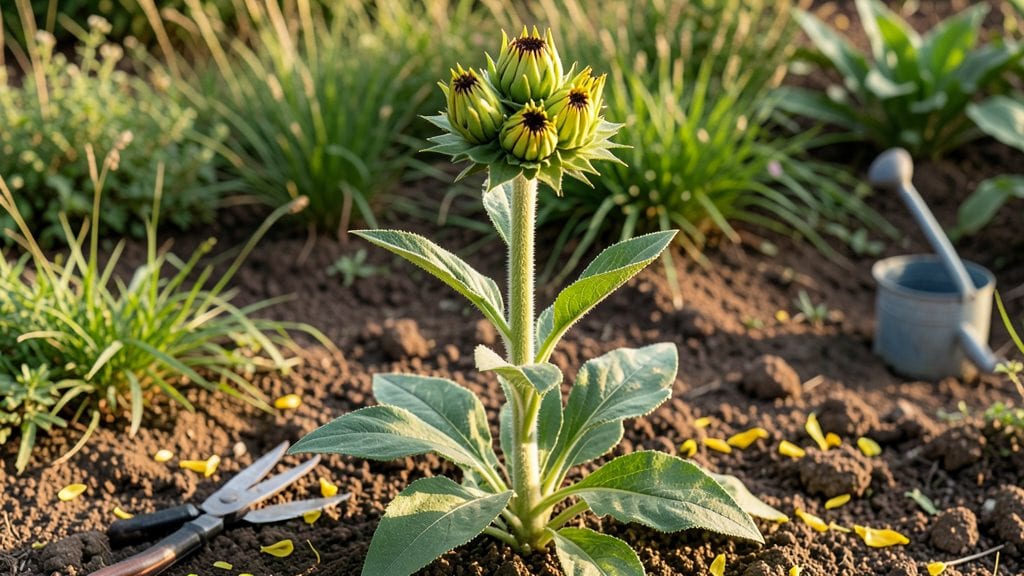
Your flower not bloomed this season?
That stubborn silence isn’t a death sentence—it’s a wake-up call your plants are giving you. 🌸 I’ve nursed back more "done for the year" plants than I can count, and the fix usually comes down to three overlooked factors: light, food, and pruning habits that accidentally strangle blooms before they start.
The most common culprit? Too much nitrogen. Plants go leafy and lazy when they’re stuffed with fertilizer that says "growth" instead of "blooms." My roses used to put out leaves the size of dinner plates but zero flowers—until I switched to a bloom-boosting formula with higher phosphorus.
Light matters just as much: six hours of direct sun is the minimum for most flowering plants, but many get stuck in shady corners where they’ll never trigger that blooming switch.
Here’s the game-changer: a strategic prune in early spring removes old wood that’s sapped energy, while pinching back new growth encourages branching that leads to more buds. Within weeks, you’ll see fresh green shoots—and if you time it right, those shoots will burst into color by summer.
The secret isn’t complicated, but it does require paying attention to what your plants are actually telling you.
Works for everything from hydrangeas to impatiens, and the fixes adapt to seasonal timing. Let’s turn those leafy shadows into a riot of color before next year’s growing season even begins.
Root Causes Of Stalled Blooms
Understanding why your flower hasn’t bloomed yet starts with examining the hidden factors that control its growth cycle. Plants often enter a dormant phase—or fail to bloom entirely—due to a mix of environmental, biological, and even seasonal triggers.
Below, we break down the science-backed reasons behind stalled blooms, so you can diagnose the issue and take action.
Light is the primary energy source for flowering, and too little or the wrong type can stall blooms entirely.
- Why it happens: Most flowering plants require 6–8+ hours of direct sunlight daily (or bright indirect light for indoor varieties).
Without enough light, the plant prioritizes foliage growth over flowering because it lacks the energy to produce blooms. - Example: Impatiens and begonias need morning sun + afternoon shade, while succulents like jasmine thrive in full, unfiltered sunlight. - Actionable fix: - Move potted plants to a sunnier window (south-facing is ideal in the Northern Hemisphere). - Use grow lights (LED or fluorescent) for 12–16 hours/day if natural light is lacking. - Rotate plants weekly to ensure even light exposure (prevents lopsided growth).
Water stress—whether from overwatering or drought—can trigger survival mode, halting bloom production.
- Why it happens: - Overwatering: Soggy soil cuts off oxygen to roots, leading to root rot and nutrient starvation.
The plant diverts energy to repairing roots instead of blooming. - Underwatering: Stress hormones (like abscisic acid) signal the plant to conserve energy, delaying or preventing flowers. - Actionable fix: - Check soil moisture by sticking your finger 1–2 inches deep—water when the top layer feels dry. - Use well-draining soil (add perlite or sand for heavy soils) and pots with drainage holes. - Mulch (2–3 inches of straw or bark) to retain moisture and regulate temperature.
Many flowers require specific temperature cues to bloom, and disruptions can reset their cycle.
- Why it happens:
- Cold-sensitive plants (like geraniums or bougainvillea) need warmth (60–80°F) to trigger flowering.
- Cool-season bloomers (e.g., pansies, snapdragons) may pause if temperatures rise above 75°F.
- Sudden temperature drops (like late spring frosts) can shock the plant into dormancy.
- Actionable fix:
- Group plants with similar needs (e.g., tropicals together, cold-hardy perennials in shaded beds).
- Use row covers or move potted plants indoors if frost is forecasted.
- For indoor plants, avoid placing them near drafts, vents, or heaters.
Blooming is energy-intensive, and imbalanced nutrients can derail the process.
- Why it happens: - Too much nitrogen (N): Leads to leafy growth but no flowers (common with lawn fertilizer spills). - Phosphorus (P) or potassium (K) deficit: These are critical for flower and fruit development.
Yellowing leaves or weak stems signal a lack. - Micronutrient gaps (like magnesium or calcium) can also stunt blooms. - Actionable fix: - Switch to a bloom-boosting fertilizer (look for a 5-10-10 or 10-20-20 NPK ratio). - Feed in stages: Start with a balanced fertilizer (10-10-10), then switch to a high-phosphorus formula when buds form. - Avoid over-fertilizing—follow package instructions to prevent chemical burns.
Some flowers take years to reach blooming age, while others need specific triggers to start producing flowers.
- Why it happens:
- Perennials (like peonies or lavender) often skip blooming in their first year as they establish roots.
- Biennials (e.g., foxglove, hollyhock) store energy in the first year and bloom in the second.
- Over-pruning or root-bound pots can delay flowering by diverting energy to new growth.
- Actionable fix:
- Be patient with young perennials—give them 1–2 seasons to mature.
- Prune wisely: Cut back dead stems in early spring, but avoid shearing healthy foliage that could support blooms.
- Repot root-bound plants into slightly larger containers with fresh soil.
Hidden invaders like aphids, spider mites, or fungal infections drain a plant’s energy, leaving it too weak to bloom.
- Why it happens:
- Sap-sucking pests (aphids, whiteflies) weaken photosynthesis, reducing energy for flowers.
- Root diseases (like fusarium wilt) block nutrient uptake, causing stunted growth.
- Powdery mildew can clog stomata, preventing gas exchange and halting blooming.
- Actionable fix:
- Inspect leaves and stems weekly for sticky residue (honeydew), webs, or spots.
- Spray with neem oil or insecticidal soap for pests; remove infected leaves immediately.
- Improve airflow by spacing plants 12–24 inches apart to prevent fungal spread.
Some flowers bloom seasonally, and forcing them out of sync with nature can backfire.
- Why it happens:
- Short-day plants (e.g., poinsettias, chrysanthemums) need 12+ hours of darkness to trigger blooms.
- Long-day plants (like lilies or snapdragons) require 14+ hours of light to flower.
- Forcing indoor blooms (e.g., amaryllis) too early can result in small, weak flowers.
- Actionable fix:
- Research your plant’s light/day-length needs (most seed packets or tags include this info).
- For short-day plants, cover them with a blackout cloth for 12–14 hours daily to mimic autumn.
- Wait for the right season—some perennials (like daffodils) won’t bloom until spring, no matter how much you coax them.
Revive Your Plant’s Potential
When your flower refuses to bloom, the good news is that most issues have simple, actionable fixes—no green thumb required! Below, we’ve mapped the most common causes to proven solutions, plus prevention tips to keep your plants thriving. Let’s get those buds popping!
Fix: Most flowering plants crave 6+ hours of direct sunlight daily (south- or west-facing windows are ideal). If your plant is languishing in low light:
- 🔥 Move it closer to a sunny spot—rotate the pot weekly for even growth.
- 🍳 Supplement with grow lights (12–16 hours/day) if natural light is scarce. LED full-spectrum bulbs are budget-friendly.
- 🌡️ Watch for heat stress: Southern windowsills can scorch leaves. Use a sheer curtain to diffuse harsh rays.
Prevention Tip: 💡 Research your plant’s light needs before buying—succulents love sun, while ferns thrive in shade!
Fix: Flowers often skip blooming when their roots are drowned or dehydrated. Here’s how to diagnose:
- 👨🍳 Check the soil: Stick your finger 1–2 inches deep. If it’s soggy, cut back watering. If dry, it’s time to hydrate.
- ⏰ Adjust your schedule: Water only when the top 50% of soil is dry (morning is best to prevent fungal growth).
- 🥘 Drainage is key: Ensure pots have holes and use well-draining soil (add perlite or sand to heavy mixes).
Pro Tip: ✨ Mistakes happen! If roots rot, trim the blackened parts, repot in fresh soil, and let it dry out for a week.
Fix: Many flowers (like orchids or African violets) need specific temps and humidity to bloom. Try these tweaks:
- 🔥 Cool nights, warm days: Move tropical plants to a 60–75°F range during the day, with a 10°F drop at night (mimics seasonal changes).
- 🌡️ Humidity hack: Place a tray of pebbles + water under the pot, or group plants together to create a microclimate.
- 🍃 Avoid drafts: Keep plants away from AC vents, heaters, or cold windows.
Prevention Tip: 🎯 Research your plant’s native climate—desert plants hate humidity, while rainforest varieties thrive in it!
Fix: Flowers need phosphorus and potassium (not just nitrogen!) to bloom. If your plant looks lush but bare:
- 📊 Switch fertilizers: Use a balanced 10-10-10 or bloom-specific formula (like 5-10-5) every 4–6 weeks in spring/summer.
- 🥗 Organic options: Compost tea, banana peels (for potassium), or crushed eggshells (for calcium) work wonders.
- ⏰ Feed lightly: Over-fertilizing burns roots—always dilute liquid fertilizers to half-strength.
Pro Tip: 💡 Yellow leaves? Too much nitrogen. Brown edges? Not enough potassium. Adjust accordingly!
Fix: Crowded roots or the wrong pot can stunt blooming. Here’s how to fix it: - 🔪 Check for roots: Gently remove the plant from its pot.
If roots circle tightly, it’s time to uproot and repot into a container 1–2 inches larger. - 🍳 Soil refresh: Replace old soil with fresh, well-draining mix (add worm castings for nutrients). - 🥘 Pot material matters: Terracotta wicks away moisture (great for succulents), while plastic retains humidity (better for tropicals).
Prevention Tip: 🎯 Repot every 1–2 years, or when you see roots emerging from drainage holes.
Fix: Bugs like aphids or fungal spots can sap energy meant for blooms.
Act now: - 🔥 Spot-treat pests: Spray with neem oil (mix 1 tsp with 1 quart water) or wipe leaves with soapy water. - 🌡️ Fungal issues? Improve airflow (prune crowded leaves) and apply copper fungicide if needed. - 🍃 Quarantine new plants: Inspect before bringing them home to avoid spreading problems.
Pro Tip: ✨ Coffee grounds repel slugs and add nitrogen—sprinkle around pots for a dual benefit!
Fix: Some plants (like bulbs or perennials) need a rest period to bloom.
Try this: - ⏰ Mimic seasons: Reduce watering and fertilizer in winter (even indoor plants may need a 6–8 week break). - 🌱 For bulbs (e.g., amaryllis): Let the foliage yellow naturally before cutting it back—this recharges the bulb! - 🥘 Patience pays off: Young plants may take 1–2 years to bloom.
Check the species’ timeline!
Prevention Tip: 💡 Label your plants with purchase dates—it’s easier to track their growth stages!
Before giving up, run through this quick list: ✅ Light: 6+ hours of sun (or grow lights)? ✅ Water: Soil dry to the touch?
Drainage holes present? ✅ Food: Fertilized with bloom-focused nutrients? ✅ Space: Roots happy in their pot? ✅ Health: No pests, mold, or yellowing leaves?
Most flowers will bloom with the right care—just give them a little TLC! 🌸
Frequently asked questions
Why does my plant have lots of leaves but no flowers?
Too much nitrogen fertilizer is the #1 culprit—it fuels leafy growth at the expense of blooms. Check your fertilizer label: if the first number (N) is higher than the second (P), switch to a bloom-boosting formula with higher phosphorus (like 5-10-5 or 10-20-20). Most flowering plants need 6+ hours of sunlight daily too—shady spots trigger leaf production instead.
Can I force a flower to bloom out of season?
Some plants respond to tricks like adjusting light exposure, but timing matters. For example, short-day plants (like chrysanthemums) need 12+ hours of darkness daily—cover them with a blackout cloth for 2 weeks to mimic autumn. Long-day plants (like lilies) need 14+ hours of light. However, forcing blooms too early often results in smaller, weaker flowers.
How do I know if my plant is root-bound and needs repotting?
Check for roots circling the bottom or growing out of drainage holes—these are clear signs it’s time to upgrade. Gently remove the plant and if you see a dense root ball with no soil between roots, repot into a container 1–2 inches larger with fresh, well-draining soil. Do this in early spring before the growing season kicks in.
Is it normal for new plants to skip blooming the first year?
Many perennials (like peonies or lavender) focus on root growth during their first 1–2 years before producing flowers. Biennials (such as foxglove) store energy their first year to bloom the second. Patience is key—provide proper care (light, water, and fertilizer) and they’ll reward you with blooms next season!
What should I do if my indoor plant never blooms?
Indoor plants often fail to bloom due to inconsistent light or temperature. Move them to the sunniest window (south-facing is best) and supplement with grow lights (12–16 hours/day) if needed. Many indoor flowers need a cool night (50–60°F) and warm day (70–75°F) cycle—try placing them near a window at night but away from drafts during the day.