
Shrubs
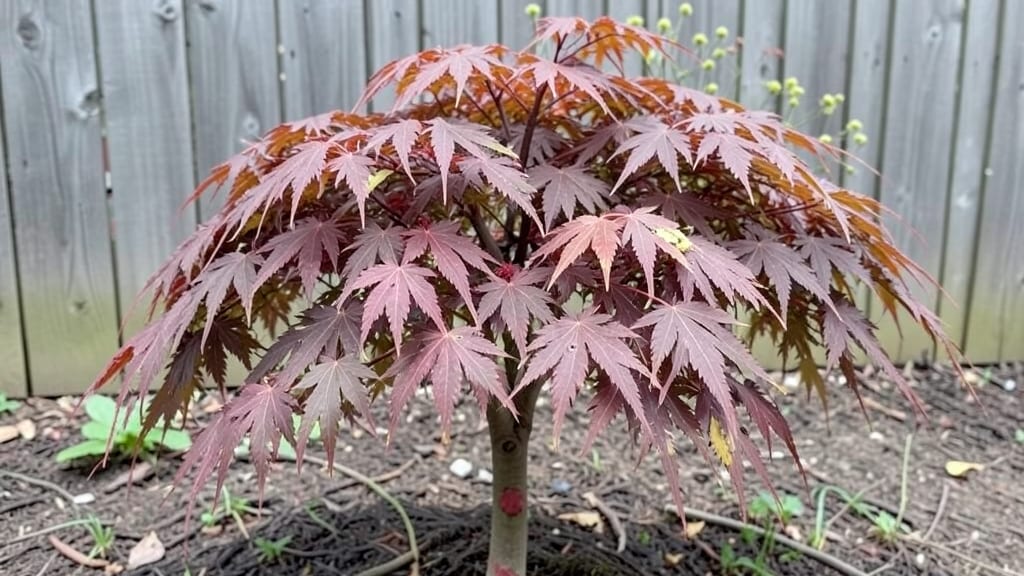
Variegated flowering maple trees bring the wow factor to any garden with their striking white-and-green leaves that stay showy all year. 🌿 I’ve grown these for years, and the secret to keeping their foliage vibrant—even in harsh sun—is all about the right container, soil, and a few smart pruning tricks.
These aren’t just pretty faces; they’re tougher than they look once you know their preferences.
The key to success starts with well-draining soil and a pot with drainage holes—these plants hate soggy roots. Place them in bright, indirect light (morning sun is ideal), and rotate the container occasionally so the variegation stays even.
Most people overlook pruning, but a light trim after flowering keeps the plant bushy and encourages more blooms next season. I’ve seen these thrive in pots as small as 12 inches, though larger containers give them room to grow for years.
What you’ll love most is how these maples reward patience: glossy, striped leaves that catch every glance, delicate flowers in spring, and even small fruit if you’re lucky. The trade-off? They can get sunburned if moved too quickly from shade to full sun.
But once established, they’re low-maintenance stars that outshine regular maples. Ready to make yours the centerpiece of your patio or balcony?
Works beautifully in containers year-round, even in cooler climates if brought indoors during winter. The variegation fades in low light, so keep them near a sunny window when temperatures dip. Here’s how to keep them looking their best through every season.
📚 In This Guide
- What you need
- Instructions
- Tips and common mistakes
- Wrapping up and next steps
What you need
- ● Variegated flowering maple (Abutilon × hybridum) – Choose a healthy young plant (3–6 inches tall) from a nursery or online retailer. Pro tip: Look for varieties like 'Bella Mix' or 'Variegatum' for stunning foliage!
- ○ Container – A 5–7 gallon pot (minimum 12–14 inches deep) with drainage holes. Optional: Self-watering pots or fabric grow bags for convenience.
- ● Well-draining potting mix – A blend of 50% peat or coconut coir, 30% perlite or pumice, and 20% compost (or a pre-mixed cactus/succulent mix).
- ● Drainage material – 1–2 inches of gravel, lava rocks, or ceramic shards to prevent root rot.
- ● Slow-release fertilizer (e.g., osmocote or fish emulsion pellets) for steady nutrition.
- ● Support stake or trellis – If your variety grows tall (e.g., 'Tiffany'), a 3–4 foot bamboo stake or lightweight metal trellis will keep it upright.
- ● Mulch (orchid bark or shredded pine) – Helps retain moisture and mimics natural conditions.
- ● pH testing kit – Ensures your soil is slightly acidic (6.0–6.5) for optimal growth.
- ● A sunny spot with 4–6 hours of direct light daily (variegated maples thrive in bright, indirect light).
- ● Watering can or hose with a gentle spray nozzle – Avoid soggy soil!
- ● Pruning shears (sterilized) for shaping and encouraging bushiness.
Step-by-step guide to growing variegated flowering maple in containers
Here’s how to nurture these stunning trees in pots for vibrant foliage all year.
🌱 Step 1: Select the Right Container and Soil Mix
Choose a large container—at least 18 inches deep and wide—with drainage holes to prevent root rot. Variegated flowering maples need room to develop their striking foliage, so avoid small pots. I use a 5-gallon fabric grow bag for my first plant because it allows roots to breathe while holding moisture.
Fill the container with a well-draining mix: blend equal parts potting soil, perlite, and compost. The perlite keeps roots aerated, while compost provides nutrients without compacting. Avoid garden soil—it’s too dense and can suffocate roots. Tap the pot gently after filling to settle the mix without compacting it.
🌿 Step 2: Plant Your Variegated Maple with Care
Remove the young tree from its nursery pot and loosen the roots if they’re circling. Place it in the container so the top of the root ball sits just below the soil line—burying too deep can cause stem rot. I like to backfill with the soil mix in layers, pressing lightly to eliminate air pockets.
Water thoroughly after planting until it drains from the bottom. The soil should feel evenly moist but not soggy. Variegated maples are sensitive to overwatering, so let the top 1-2 inches dry out between waterings. Mulch the surface with 1 inch of bark chips to retain moisture and regulate temperature.
☀️ Step 3: Position for Bright, Indirect Light
Place your container in a spot with morning sun and afternoon shade—variegated maples burn easily in harsh afternoon rays. A south- or east-facing patio works well, but avoid west-facing areas unless you provide afternoon shade with a sheer curtain. If growing indoors, keep it near a large, bright window with supplemental grow lights for 12-14 hours daily.
Rotate the pot quarter-turn weekly so the tree grows evenly. You’ll notice new leaves developing toward the light—this means it’s getting enough exposure. If the variegation fades to solid green, it’s not receiving sufficient light. Adjust placement immediately to restore the stunning patterns.
💧 Step 4: Water and Fertilize for Healthy Growth
Water when the top 1-2 inches of soil feel dry—stick your finger in to check. Overwatering is the biggest killer of container-grown maples, so always drain excess water from the saucer. In summer, you may need to water every 2-3 days, while winter slows growth and reduces watering to once a week.
Feed with a balanced liquid fertilizer (10-10-10) every 4-6 weeks during spring and summer. Dilute to half-strength to avoid burning roots. I skip fertilizing in fall and winter when growth slows. Prune leggy branches in early spring to encourage bushier growth—cut just above a leaf node with clean, sharp shears.
⏰ Step 5: Winter Care for Year-Round Beauty
Move containers indoors or to a protected, unheated garage before temperatures drop below 20°F. Variegated maples tolerate light frost but won’t survive prolonged cold. If indoors, place near a window with cool (50-60°F) temperatures—avoid drafts or heat sources like vents. Reduce watering to once every 10-14 days as growth slows.
Check for pests like spider mites, which love dry indoor air. Wipe leaves with a damp cloth weekly to remove dust and monitor for yellowing—this often signals overwatering or nutrient deficiency. With proper care, your variegated flowering maple will reward you with year-round foliage magic in containers.
Tips & tricks for perfect variegated flowering maple care
These simple tricks will help your variegated flowering maple thrive in containers and keep its stunning foliage year-round.
Container Selection Matters: While the instructions call for an 18-inch container, I always opt for the largest pot I can manage—even up to 24 inches. Larger containers provide more stability for these top-heavy trees and reduce the need for frequent repotting. If using a decorative pot without drainage, place it inside a cache pot with drainage holes to prevent root rot. The 5-gallon fabric grow bag mentioned is perfect because it allows roots to expand naturally while maintaining moisture balance.
Lighting Secret: The 12-14 hours of supplemental grow light mentioned is ideal, but I've found that LED grow lights with a full spectrum (red and blue) work better than standard bulbs. Position the light 6-12 inches above the plant and adjust the height as your tree grows. You'll notice the variegation becomes more vibrant when the light spectrum is just right—this is your cue that the lighting is perfect. For indoor growers, consider adding a small fan nearby to simulate outdoor conditions and strengthen stems.
Watering Wisdom: When checking the top 1-2 inches of soil for dryness, I like to use a wooden skewer instead of my finger—it gives me a more precise reading. For summer watering every 2-3 days, I set a timer as a reminder since container-grown plants dry out faster than in-ground ones. In winter, I reduce watering to every 10-14 days but always check the soil first—overwatering is the silent killer of these beautiful trees. The mulch layer of 1 inch bark chips helps maintain even moisture without compacting the soil.
Winter Protection: When moving your maple indoors before 20°F, I recommend placing it in a spot with 50-60°F temperatures away from heating vents. I've seen dramatic improvement in winter survival rates when using a humidifier nearby—these trees appreciate the extra moisture during dry indoor heating. If you notice leaves curling or turning brown, it's often a sign of low humidity rather than overwatering. A simple pebble tray with water underneath the pot can help maintain humidity levels without direct water contact.
Pro Tips for Variegated Flowering Maple
- These simple tricks will help your variegated flowering maple thrive in containers and keep its stunning foliage year-round.
- Container Selection Matters: While the instructions call for an 18-inch container, I always opt for the largest pot I can manage—even up to 24 inches.
- Lighting Secret: The 12-14 hours of supplemental grow light mentioned is ideal, but I've found that LED grow lights with a full spectrum (red and blue) work better than standard bulbs.
Frequently asked questions
Got questions about your variegated flowering maple? You’re not alone! Here are some of the most common ones—and their answers—to help you grow a stunning, year-round beauty with ease.
How fast does a variegated flowering maple grow?
A healthy variegated flowering maple typically grows 6 to 12 inches per year, though growth rates slow in cooler climates or containers. With proper care—like regular watering, well-draining soil, and occasional pruning—you’ll see steady, lush foliage development. Patience pays off, as these trees mature slowly but reward you with vibrant, multi-season interest!
Can variegated flowering maples survive winter in containers?
Yes, but they need protection! Move potted variegated maples to a sheltered spot (like a garage or under an eave) before temperatures drop below 20°F (-6°C). Wrap the container in bubble wrap or frost cloth and mulch the soil to insulate roots. If your area gets harsh freezes, consider overwintering indoors near a bright window.
Why are the leaves turning brown or yellow?
Brown or yellowing leaves usually signal stress. Check for these common culprits:
- Overwatering: Soggy soil leads to root rot. Let the top inch dry out between waterings.
- Underwatering: Wilting or crispy edges? Water deeply but ensure pots have drainage holes.
- Sunburn: Variegated leaves are sensitive to harsh afternoon sun. Provide partial shade in hot climates.
- Nutrient deficiency: Feed with a balanced fertilizer in spring and summer.
If the issue persists, inspect for pests like spider mites or fungal diseases.
Do variegated flowering maples bloom every year?
While they’re prized for their foliage, variegated flowering maples (Abutilon × hybridum) do produce showy blooms—but not always annually. Blooms thrive with full sun to partial shade, regular watering, and occasional deadheading. If flowers are sparse, try fertilizing with a phosphorus-rich formula in early spring to encourage flowering.
What’s a good alternative if my climate is too hot or dry?
If your area is arid or extreme, consider these drought-tolerant, variegated shrubs:
- Dwarf Fountain Grass (Pennisetum alopecuroides) ‘Hameln’: Silvery-blue and heat-loving.
- Variegated Boxwood (Buxus sempervirens) ‘Golden Globe’: Compact and evergreen.
- Lantana (Lantana camara) ‘Bandana Cherry’: Thrives in heat with colorful foliage and blooms.
- Variegated Oleander (Nerium oleander) ‘Variegatum’: Hardy in zones 8–11 with stunning pink/white flowers.
For containers, succulents like ‘Burro’s Tail’ (Sedum morganianum) also offer variegated charm with minimal water needs!
Wrapping up and next steps
The variegated flowering maple is a stunning, low-maintenance shrub that brings year-round beauty to containers with its vibrant foliage and delicate blooms.
Whether you're a seasoned gardener or just starting out, this plant offers easy elegance and adaptability—perfect for adding a splash of color to patios, balconies, or small gardens. 🌿
Now that you’re equipped with the right tips, why not give it a try? Start small with a single pot, experiment with placement, and enjoy the rewarding journey of nurturing this enchanting plant. Happy gardening!