
Light Requirements
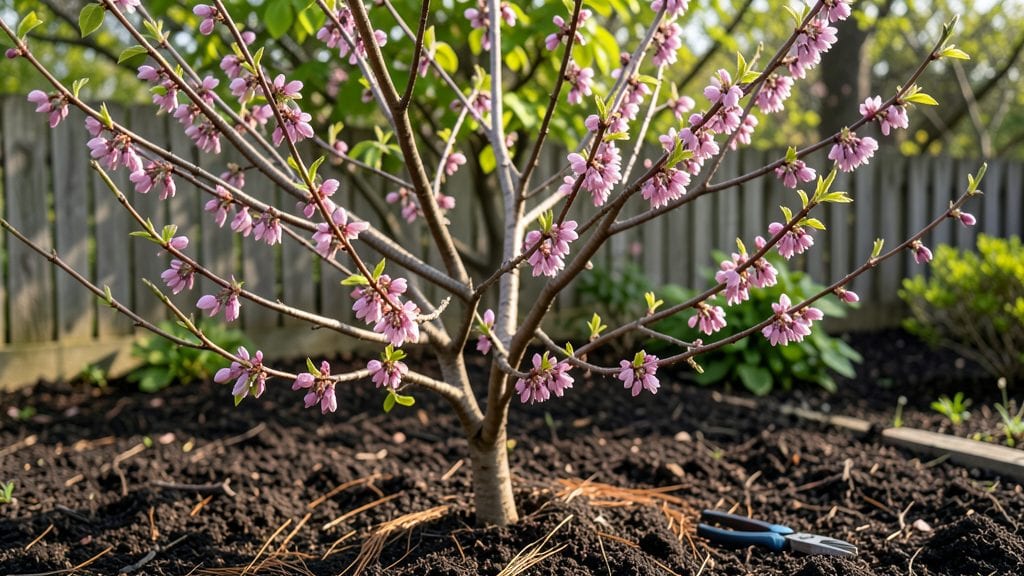
Finding small flowering trees that handle full sun and drought like champs changed my yard forever. 🌟 These drought-tolerant beauties don't just survive—they burst into color while demanding almost no water once established.
My front yard now has a crape myrtle that blooms from summer into fall, its bark turning stunning in winter, and a Japanese snowbell that perfumes the air in June.
You don't need a big yard for these stars. A single specimen can anchor a corner, while clusters create living privacy screens. The key is matching their mature size (most stay under 15 feet) to your space—think 8-10 feet for small yards, 12-15 for focal points.
They thrive in well-drained soil and need minimal pruning, making them perfect for busy gardeners who still want drama.
Imagine your summer garden with clouds of pink, white, or purple blooms that attract hummingbirds all day. These trees deliver that showstopping effect while keeping maintenance simple—no weekly watering, no constant pruning. The best part? Their roots stay shallow, so they won't compete with nearby plants or sidewalks.
From the fragrant blossoms of dwarf fruit trees to the textured bark of crape myrtles, these options work in borders, as standalone statement pieces, or even in containers for patios. Let's find the perfect one for your sunny spot and make it the centerpiece of your outdoor space.
📚 In This Guide
- What you need
- Instructions
- Tips and common mistakes
- Wrapping up and next steps
What you need
- ● Small flowering tree seedlings/saplings: Choose 1–3 drought-tolerant varieties (e.g., Crapemyrtle, Texas Sage, or Desert Willow), sized 1–3 gallons for easy transplanting.
- ● Well-draining soil: 2–3 cubic yards of native soil mix or cactus/succulent blend (amend with compost if needed).
- ● Organic mulch: 1–2 bags of wood chips or gravel (3–4 inches deep) to retain moisture and suppress weeds.
- ● Slow-release fertilizer: 1–2 lbs of balanced, low-nitrogen fertilizer (e.g., 5-5-5 or 10-10-10) for initial growth.
- ● Watering can or hose with nozzle: For gentle, deep watering (avoid overhead sprinklers).
- ● Garden gloves: 1 pair (heavy-duty for thorny plants like Crapemyrtle).
- ● Shovel or trowel: Medium-sized for digging holes (12–18 inches wide/deep).
- ● Pruning shears: Bypass-style for shaping (sterilize with rubbing alcohol).
- ○ Drip irrigation kit (optional): For automated watering in dry climates.
- ○ Reflective mulch (optional): Black plastic or landscape fabric to warm roots in cooler zones.
How to select and plant small flowering trees for full sun
Here’s how to pick and grow stunning, low-maintenance flowering trees that handle sun and drought like pros.
🌱 Step 1: Choose the Right Drought-Tolerant Varieties
Start with four proven performers: Japanese Snowbell (Styrax japonicus), Desert Willow (Chilopsis linearis), Texas Mountain Laurel (Sophora secundiflora), or Western Redbud (Cercis occidentalis). These beauties bloom reliably in full sun and sip water like champions once established.
Check your hardiness zone—Japanese Snowbell thrives in zones 5-8, while Desert Willow loves 7-11. Western Redbud is the most adaptable, handling zones 4-9. I always verify this first to avoid heartbreak later.
☀️ Step 2: Pick the Perfect Planting Spot
Full sun means 6+ hours of direct light daily, but avoid midday scorching in hot climates. I plant mine where they get morning sun and afternoon shade from nearby structures or taller plants. This keeps roots cooler and preserves moisture.
Test the site by observing how dry the soil stays. If it’s bone-dry by mid-afternoon, your tree will need extra mulch (2-3 inches) to lock in moisture. Amend heavy clay with 1 part sand to help roots spread without suffocating.
🪴 Step 3: Dig and Plant with Proper Spacing
Dig a hole twice as wide as the root ball but no deeper—this encourages roots to spread horizontally instead of circling. Gently loosen any tangled roots with your fingers (never a knife—you’ll slice through them).
Place the tree so the top of the root ball sits level with the ground—burying the trunk too deep suffocates it. Backfill with native soil (no amendments) and water deeply to settle everything. I always add 1 inch of mulch right after planting to protect young roots.
💧 Step 4: Water Deeply and Establish a Routine
Water once a week for the first month, soaking the root zone to 12 inches deep. You’ll know you’ve done it right when water runs out the drainage holes. After that, water every 10-14 days unless your area gets less than 1 inch of rain weekly.
Skip overhead watering—it wastes moisture and spreads disease. Instead, use a soaker hose or drip irrigation at the base. Watch for wilting leaves (a sign of thirst) or yellowing (overwatering). Both are fixable if caught early!
✂️ Step 5: Prune for Shape and Health
Prune right after flowering (late spring/early summer) to shape the tree and remove dead wood. Use clean, sharp pruners to make cuts just outside the branch collar—never leave stubs. This keeps the tree strong and encourages next year’s blooms.
For Desert Willow, I trim back 1/3 of the oldest stems annually to rejuvenate growth. With Japanese Snowbell, I focus on opening the center for airflow. Always sterilize tools with rubbing alcohol between cuts to prevent fungal spread.
Tips & tricks for perfect small flowering trees in full sun
These game-changing tips will help your drought-tolerant flowering trees thrive and bloom like crazy year after year!
Selection Tip: When choosing between the four varieties, consider the Desert Willow's dramatic trumpet-shaped flowers if you love bold drama. For fragrant blooms, Texas Mountain Laurel's sweet scent will fill your yard—just be prepared for its love of well-draining soil. I always check the mature size too: Japanese Snowbell stays compact (15-20 feet) while Western Redbud can reach 25 feet, so plan accordingly for your space.
Planting Spot Strategy: That morning sun and afternoon shade combo in Step 2 is everything! In hot climates, I've seen trees wilt dramatically when planted in full midday sun. Pro tip: Observe your yard's sun patterns for a week before planting—use a white sheet as a sun tracker to identify the hottest spots. For extra protection, plant near evergreens or structures that provide natural shade during peak afternoon heat.
Root Care Secret: The twice-as-wide hole in Step 3 isn't just about space—it's about creating an oxygen-rich environment for those roots. I like to add a handful of mycelium-rich soil or composted leaf mold to the bottom of the hole before planting. This gives the roots an instant boost of beneficial fungi that help them establish faster. Just don't mix it with the native soil—keep it concentrated at the bottom!
Watering Wisdom: That first month of weekly watering in Step 4 is critical, but don't forget about the soil's thirst after that. I've found that in sandy soils, you might need to water every 7-10 days, while clay soils can stretch to 14 days. The key is to check moisture 2-3 inches below the surface—if it's dry, it's time to water. A simple screwdriver makes a great moisture gauge!
Pro Tips for Small Flowering Trees Full Sun
- These game-changing tips will help your drought-tolerant flowering trees thrive and bloom like crazy year after year!
- Selection Tip: When choosing between the four varieties, consider the Desert Willow's dramatic trumpet-shaped flowers if you love bold drama.
- Planting Spot Strategy: That morning sun and afternoon shade combo in Step 2 is everything!
Frequently asked questions
Got questions about picking, planting, or caring for small flowering trees in full sun? You’re not alone! Here are answers to the most common queries to help you choose and grow with confidence.
What are the best small flowering trees for full sun and drought conditions?
Top picks include Crape Myrtle, Texas Sage, Desert Willow, and Dwarf Fothergilla. These thrive in full sun (6+ hours daily) and need minimal water once established. Look for native varieties—they’re naturally drought-resistant and low-maintenance!
When is the best time to plant a small flowering tree in full sun?
Plant in early spring or fall when temperatures are mild (50–70°F). Avoid extreme heat or frost, which can stress roots. Spring planting gives trees time to establish before summer droughts hit, while fall roots settle before winter dormancy.
Why is my small flowering tree wilting in full sun despite regular watering?
Overwatering or poor drainage are common culprits. Check soil moisture—stick your finger 2 inches deep; water only if dry. Ensure the pot/tree bed has drainage holes. If leaves curl or yellow, it may need more shade (e.g., afternoon relief) or a nutrient boost with slow-release fertilizer.
Can I grow small flowering trees in containers if my yard has full sun?
Choose compact varieties like Dwarf Crape Myrtle or Miniature Japanese Maple. Use a well-draining potting mix and a container with drainage holes. Move pots to partial shade during peak afternoon sun (1–4 PM) if leaves scorch. Repot every 2–3 years to refresh soil.
How do I keep pests away from my sun-loving flowering tree?
Prevent pests with regular pruning (remove dead branches) and neem oil spray for aphids or spider mites. Encourage beneficial insects like ladybugs by planting marigolds nearby. Avoid overwatering—pests love soggy soil! Monitor leaves for holes or sticky residue (signs of infestation).
Wrapping up and next steps
Transforming your sunny landscape into a vibrant, low-maintenance haven is easier than you think! Small flowering trees like the Texas Ranger or Desert Willow bring color, texture, and resilience to full-sun spaces—even in drought-prone areas. With the right care, they’ll reward you with year-round beauty and minimal fuss.
Ready to get started? Pick your favorite drought-tolerant star and plant it this season—your garden (and pollinators!) will thank you. 🌸💧 Need a refresher on planting? Check out our step-by-step guide to turn dreams into blooms!