
Flowers
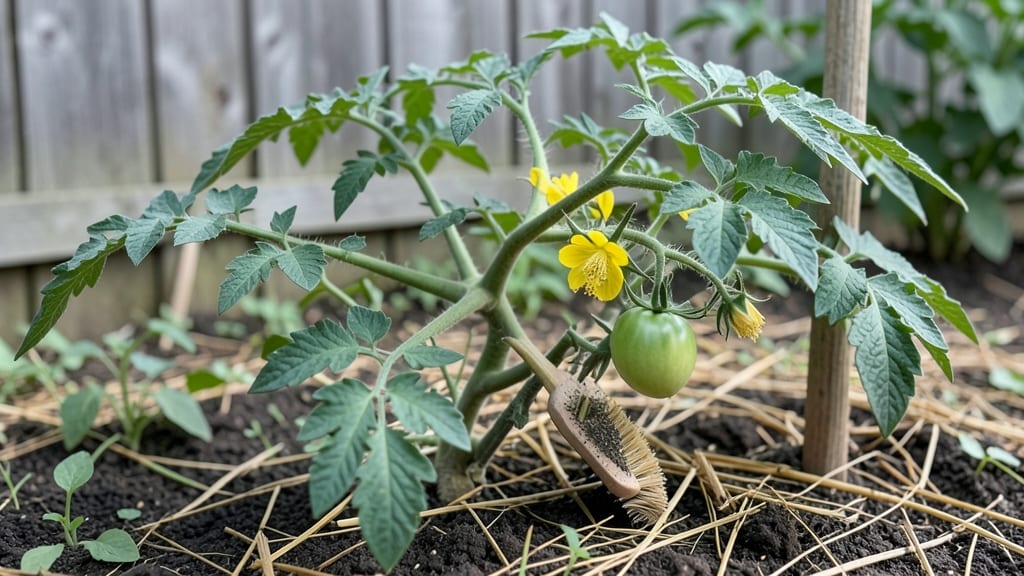
Tomato flower pollination isn't just about hoping for the best—it's the secret to turning those delicate blooms into a bountiful harvest. 🌱 I learned the hard way that even in my greenhouse, where bees can't reach, tomatoes need a little help to set fruit.
The difference between a handful of tomatoes and a bushel comes down to understanding how pollen moves and giving your plants a boost when nature falls short.
Most gardeners assume wind or bees handle pollination, but indoor growers and those with protected plants need to step in. The good news? Hand-pollination is simpler than it sounds—just a gentle touch with a paintbrush or your finger to transfer pollen from one flower to another.
I’ve seen my fruit set double after adding this one extra step, especially during humid or rainy weather when natural pollinators stay away.
You’ll know it’s working when those tiny flowers start swelling into plump green tomatoes within days. The key is timing—pollinate in the morning when flowers are freshest—and choosing healthy blooms on strong stems.
Even if you’ve struggled with poor fruit set before, this method delivers consistent results, whether you’re growing in pots, a greenhouse, or your backyard.
For those with limited space or indoor setups, this trick is a game-changer. No fancy equipment needed—just your hands and a little patience. Once you master it, you’ll wonder why you didn’t start sooner. Let’s get those flowers turning into tomatoes!
Root Causes of Poor Pollination
Understanding why tomato flowers fail to pollinate effectively is the first step toward fixing the problem. Whether you’re growing in a greenhouse, a backyard garden, or a container, these common issues can sabotage fruit production.
Let’s break down the science behind why your tomato flowers might not be setting fruit—and how to address each cause.
🐝 Why it happens: Tomatoes rely on insects (like bees, butterflies, and hummingbirds) to transfer pollen from the male anthers to the female stigma. In greenhouses, indoor gardens, or areas with few pollinators, flowers may remain unpollinated, leading to "blossom drop" (when flowers fall off without forming fruit).
- Greenhouse or indoor setups often trap flowers away from natural pollinators.
- Pesticide use can kill or repel beneficial insects, leaving flowers unpollinated.
- Weather extremes (like heavy rain or cold snaps) can deter pollinators from visiting.
Actionable fix: Hand-pollinate flowers using a small paintbrush, cotton swab, or even a gentle puff of air to transfer pollen manually. Release bees or other pollinators near your plants if outdoors.
🌡️ Why it happens: Tomatoes are sensitive to temperature fluctuations, humidity, and light conditions. When flowers experience stress—such as sudden heatwaves, cold drafts, or inconsistent watering—they may abort before pollination occurs.
- Temperature swings (above 90°F or below 55°F) can cause flower drop.
- Low humidity leads to poor pollen viability or flower desiccation.
- Inconsistent watering stresses plants, reducing energy available for fruit development.
Actionable fix:
- Shade cloth can protect plants from extreme heat.
- Mulch helps regulate soil temperature and retain moisture.
- Consistent watering (1–2 inches per week) prevents stress.
🔬 Why it happens: Even if pollinators visit, pollen may be old, weak, or damaged, preventing successful fertilization.
This can happen due to: - Overripe or stressed plants producing low-quality pollen. - Excessive humidity causing pollen to clump or degrade. - Genetic factors in certain tomato varieties (like parthenocarpic types, which set fruit without pollination).
Actionable fix:
- Harvest pollen from fresh, healthy flowers in the morning (when it’s most viable).
- Store pollen in a cool, dry place if hand-pollinating later.
- Choose pollinator-friendly varieties if relying on natural pollination.
🚧 Why it happens: Sometimes, the flower’s structure itself prevents pollen from reaching the stigma. This can occur due to:
- Flower malformation (e.g., curled or deformed blooms from disease or pests).
- Excessive rain washing away pollen before transfer.
- Wind or vibration causing pollen to disperse before pollination.
Actionable fix:
- Gently open flowers with tweezers if they’re tightly closed.
- Use a fine mist spray to simulate rain if needed (but avoid oversaturating).
- Stake or cage plants to reduce wind damage to flowers.
📊 Why it happens: Tomatoes need specific nutrients to produce healthy flowers and viable pollen. Deficiencies in:
- Boron (critical for cell wall formation in pollen tubes).
- Phosphorus (supports flower and fruit development).
- Calcium (prevents blossom-end rot and supports pollen viability).
Actionable fix:
- Test soil pH (aim for 6.0–6.8) and amend with compost or organic matter.
- Apply a balanced fertilizer (10-10-10) at flowering, with a boost of boron if needed.
- Use calcium supplements (like crushed eggshells) to prevent deficiencies.
🌱 Why it happens: Some tomato varieties are parthenocarpic (they set fruit without pollination, like ‘Solar Fire’ or ‘Mountain Merit’), while others require pollination. If you’re growing a hybrid or heirloom that does need pollination but isn’t receiving it, the issue may be genetic.
Actionable fix:
- Check seed packets for pollination requirements.
- Cross-pollinate manually if growing multiple varieties.
- Opt for self-pollinating varieties if hand-pollination isn’t feasible.
🐛 Why it happens: Fungal diseases (like powdery mildew or early blight) or pests (aphids, spider mites) can weaken flowers, reducing their ability to pollinate or set fruit. Damaged flowers may drop before fertilization occurs.
Actionable fix:
- Inspect plants regularly for signs of pests or disease.
- Use neem oil or insecticidal soap to treat infestations.
- Remove infected leaves and improve airflow with pruning.
🌿 Why it happens: When tomato plants are too close together, airflow is restricted, leading to:
- Higher humidity (promoting fungal growth).
- Stress from competition for nutrients/water.
- Pollen dispersal issues due to stagnant air.
Actionable fix:
- Space plants 18–24 inches apart (or use cages/trellises).
- Prune suckers to improve airflow and light penetration.
- Avoid overhead watering to prevent fungal spores from spreading.
⏰ Why it happens: Tomatoes have a specific window for successful pollination—usually in the morning, when pollen is fresh and flowers are open. Pollen transferred later in the day may not be viable.
Actionable fix:
- Hand-pollinate in the morning (6–10 AM) for best results.
- Avoid pollinating in wet conditions (pollen clumps and washes away).
- Repeat pollination every 2–3 days for heavy fruit sets.
Quick fixes for stuck tomato flowers
Got tomato flowers that just won’t set fruit? Don’t panic—most pollination problems have simple, hands-on solutions. Below, we’ll tackle the most common causes of poor pollination and give you practical, step-by-step fixes to boost your harvest. Plus, we’ll share prevention tips to keep your plants thriving season after season.
Fix: Hand-Pollinate Like a Pro If your garden lacks buzzing bees or steady breezes, you’ll need to step in. Here’s how to do it right:
- 🔥 Pick the Right Time Pollinate in the morning when flowers are fully open and sticky with pollen. Avoid humid afternoons—pollen clumps up and won’t transfer well.
- 🍳 Grab Your Tools You don’t need fancy gear—just your fingers! For stubborn flowers, try a soft paintbrush or a cotton swab (dipped in water to avoid static).
- 👨🍳 The Pollination Technique
- Gently shake the flower cluster to release loose pollen.
- Touch the anther (the yellow pollen-covered part) to the stigma (the tiny cone-like center).
- Repeat on 3–5 flowers per cluster for better success rates.
- ⏰ Frequency Matters Check flowers every 2–3 days during peak blooming. Some varieties (like cherry tomatoes) need daily attention!
💡 Pro Tip: If pollen is scarce, save excess from one flower and transfer it to others. Store it in a dry container for up to a week.
Fix: Adjust Growing Conditions Tomatoes are finicky about temperature—too hot or too cold, and they’ll drop pollen or fail to set fruit.
- 🌡️ Beat the Heat
- Shade cloth (30–50%) can lower temps by 10–15°F.
- Water deeply in the morning to cool the soil and air around plants.
- Avoid overhead watering—wet pollen washes away!
- ❄️ Protect from Chill
- Move potted tomatoes indoors or to a greenhouse if nights dip below 55°F (13°C).
- Use row covers for in-ground plants, but remove them during pollination time.
- 🎯 Boost Pollen Production
- Feed plants with phosphorus-rich fertilizer (like bone meal) to encourage more flowers.
- Prune suckers to redirect energy to fruit-bearing branches.
✨ Prevention Hack: Plant heat-tolerant varieties like ‘Solar Fire’ or ‘Heatmaster’ if your climate runs hot.
Fix: Remove Obstacles & Lure Helpers Pests like aphids or fungal diseases (e.g., early blight) can deter bees or clog flower parts.
- 🔪 Eliminate Pests
- Spray neem oil or soapy water on aphids/whiteflies (avoid harming bees—spray at dusk).
- Handpick hornworms (they devour flowers overnight!).
- 🌿 Encourage Natural Pollinators
- Plant bee-friendly flowers nearby (basil, marigolds, or borage).
- Avoid pesticides—opt for beneficial nematodes or diatomaceous earth instead.
- 💦 Clean Up Debris Remove fallen leaves or diseased stems to prevent fungal spread, which can gum up flower mechanics.
💡 Pro Tip: If bees avoid your garden, place a shallow dish of sugar water nearby to attract them.
Fix: Give Tomatoes Room to Breathe Stressed plants produce weak flowers with poor pollen.
- 🌱 Prune for Airflow
- Trim yellow leaves and overlapping branches to improve circulation.
- Stake or cage indeterminate varieties to prevent sprawl.
- 💧 Water Wisely
- Deep watering (1–2 inches per week) prevents stress.
- Mulch with straw to retain moisture and cool roots.
- 🌱 Balance Fertilizer
- Too much nitrogen = lush leaves, few flowers. Switch to a low-N, high-P fertilizer (e.g., 5-10-10).
- Fish emulsion or compost tea gives a gentle nutrient boost.
🎯 Prevention: Space plants 18–24 inches apart (check your variety’s needs).
If flowers still won’t set fruit, don’t give up:
- 🌿 Hormone Spray: Use ethylene-releasing sprays (like Acreage Ethyl) to trick flowers into developing parthenocarpically (without pollination).
- 🍅 Switch Varieties: Some tomatoes (like ‘Black Krim’) are more forgiving in poor conditions.
- 🌱 Extend the Season: Use black plastic mulch to warm soil and coax late blooms.
Remember: Consistency is key! Check your plants daily during peak bloom, and combine fixes for the best results. With a little elbow grease, you’ll be swimming in tomatoes in no time. 🍅🌟
Frequently asked questions
Why do my tomato flowers keep falling off without turning into fruit?
This is called "blossom drop" and happens when flowers aren't properly pollinated or the plant is stressed. Common causes include lack of pollinators (especially in greenhouses), extreme temperatures, or inconsistent watering. Try hand-pollinating in the morning using a paintbrush or your finger to transfer pollen from the yellow anthers to the center stigma.
Can I use a paintbrush for tomato pollination, or is there a better tool?
A soft paintbrush works perfectly—it's gentle on delicate flowers and collects pollen well. For stubborn flowers, a cotton swab dipped in water also works. Avoid using your fingers if you have allergies, as tomato pollen can be irritating. Just be sure to pollinate in the morning when flowers are freshest and pollen is most viable.
How often should I hand-pollinate my tomato plants?
Check flowers every 2-3 days during peak blooming, especially for varieties like cherry tomatoes that need frequent attention. Morning is best—pollen is freshest then. If you're growing in a greenhouse or indoors, daily checks may be needed during hot weather when natural pollinators aren't present.
What's the best time of day to hand-pollinate tomato flowers?
Always pollinate in the morning (between 6-10 AM) when flowers are fully open and pollen is freshest. Afternoon humidity can cause pollen to clump, making transfer difficult. Avoid pollinating after rain—wet pollen washes away easily and becomes ineffective.
My tomato plants have lots of flowers but no fruit—what could be wrong?
This usually indicates poor pollination, but could also mean temperature stress (above 90°F or below 55°F) or nutrient deficiencies (especially boron or phosphorus). Try hand-pollinating, providing shade cloth if it's too hot, and fertilizing with a phosphorus-rich supplement like bone meal. Some varieties also need ethylene gas for fruit set—try using an ethylene-releasing spray if needed.