
Flowers
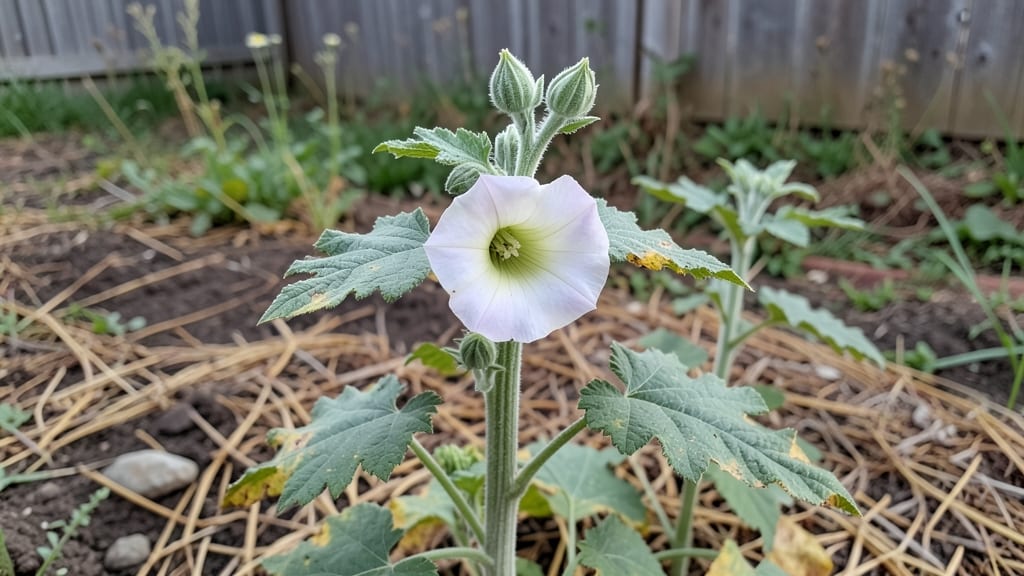
Growing thorn apple flowers (Datura stramonium) means waking up to surreal trumpet-shaped blooms that glow under moonlight—though their beauty hides a potent toxicity. I’ve learned the hard way that timing pruning just right transforms a scraggly plant into a showstopper, with blooms lasting weeks longer than you’d expect.
The key isn’t just cutting back; it’s knowing exactly when to do it for that second flush of flowers.
These hardy plants thrive in poor soil and full sun, making them perfect for neglected corners or wildflower gardens. Start with seeds sown directly in spring—they germinate like weeds—but if you want faster results, root cuttings in summer.
Just remember: gloves are a must when handling any part of the plant, as even the sap can irritate skin.
By mid-summer, you’ll see those signature white, pink, or lavender blooms opening night after night, their intoxicating fragrance drawing moths and hummingbirds. Prune spent flowers regularly to encourage more blooms, and you’ll have a plant that keeps producing until frost.
The trade-off? Their ornamental value comes with caution—keep them away from pets and kids.
Whether you’re growing them for their eerie beauty or their cultural significance in folklore, thorn apples reward patience. They self-seed aggressively, so one plant can become a colony in just a season. Just don’t let their wild nature fool you—they’re not for the impatient gardener.
📚 In This Guide
- What you need
- Instructions
- Tips and common mistakes
- Wrapping up and next steps
What you need
- ● Ready to cultivate or revive your thorn apple flower (Datura spp.) with expert pruning? Here’s everything you’ll need to get started—whether you’re a seasoned gardener or a curious beginner! 🌱✂️
- ● Pro tip: 💡 Sterilize tools between cuts to prevent disease—thorn apple is sensitive to fungal infections!
Instructions for reviving thorn apple blooms through strategic pruning
Mastering the timing of cuts transforms a struggling thorn apple into a lush, flowering powerhouse.
Assess Plant Health and Identify Growth Patterns
Examine your thorn apple for signs of vitality—healthy stems should be firm with a slight green tint, while dead wood appears brittle and gray. I always start by mapping the plant's structure: count the main stems and note where old blooms emerged. Thorn apples produce flowers on new growth, so last season's branches won't rebloom without intervention.
Look for "blind" stems—those with no buds—that indicate where pruning will stimulate fresh flowering. Use clean, sharp pruning shears to avoid crushing stems, which invites disease. Mark each cut site with a pencil if you're working in stages; I find this prevents over-pruning when I lose track of which branches I've already trimmed.
Perform Late-Winter Dormant Season Pruning
Timing is everything with thorn apples. Wait until late February or early March when the plant is fully dormant but before new buds swell. This 2-3 week window ensures you remove dead wood while leaving enough energy for spring regrowth. Cut back one-third of the oldest stems to their base, focusing on the thickest, most woody branches first.
Make cuts at a 45-degree angle just above a outward-facing bud or lateral branch. Avoid leaving stubs—these trap moisture and rot. I like to shape the plant into an open vase form, which improves airflow and sunlight penetration. After pruning, sterilize your shears with rubbing alcohol to prevent spreading pathogens between cuts.
Encourage New Growth with Post-Pruning Care
Thorn apples respond dramatically to proper post-pruning care. Within 4-6 weeks of your late-winter cuts, you should see pinkish new shoots emerging from the pruned stems. This is your signal that the plant is healing. Apply a balanced 10-10-10 fertilizer at half strength to stimulate growth without burning tender new tissue.
Water deeply but infrequently—once every 7-10 days—until new growth reaches 6 inches tall. Overwatering now causes root rot, which thorn apples are particularly susceptible to. Mulch the base with 2-3 inches of organic mulch to retain moisture and regulate soil temperature. Watch for new leaf clusters forming at the tips of branches; these indicate successful regrowth.
Summer Pruning to Stimulate Fall Blooms
In mid-July, when temperatures peak but before flowering season ends, perform a second round of pruning. This summer cut removes any remaining dead wood and overly leggy growth that shades the center. Focus on branches that haven't produced flowers—these are the ones holding back your plant's potential.
Trim back one-third of the remaining stems by half their length, again cutting at a 45-degree angle above a bud. The goal is to create a balanced shape while encouraging the plant to produce new flowering wood before winter. After pruning, give the plant a low-nitrogen, high-phosphorus fertilizer to support bloom development. You'll notice new flower buds forming within 6-8 weeks if conditions are right.
Prepare for Winter and Next Season's Growth
As temperatures drop below 50°F at night, reduce watering to every 2-3 weeks unless the soil feels bone-dry. Thorn apples enter dormancy naturally, but you can help by covering the base with 4-6 inches of mulch before the first frost. This protects roots from extreme cold while allowing stems to harden off properly.
In late winter, before new growth appears, inspect the plant for any suckers or water sprouts that emerged during the growing season. Remove these immediately—they drain energy from your main stems. Prune out any crossing branches that rub together, as these create wounds that invite pests. A well-maintained thorn apple will reward you with vibrant blooms in late spring, often 6-8 weeks earlier than unpruned plants.
Tips & tricks for perfect thorn apple flower revival
Reviving your thorn apple's blooms requires precision timing and careful technique—here's how to elevate your pruning game and ensure stunning results.
Timing is Critical: The late February to early March window for dormant season pruning is non-negotiable. I've seen plants struggle when pruned too early or late—buds may already be swelling by March, and cutting then removes potential flowering sites. Check local frost dates as your guide; you want to prune after the last hard frost but before any green growth appears. This timing ensures you remove dead wood while preserving energy for spring regrowth.
Visual Cues for Pruning Success: In Step 2, focus on cutting at a 45-degree angle just above outward-facing buds. These buds are your future blooms—look for them positioned where they'll receive maximum sunlight. I mark each cut site with a pencil if working in stages; this prevents over-pruning when you inevitably lose track. Remember, thorn apples produce flowers on new growth, so every cut should stimulate fresh, flowering stems.
Post-Pruning Care Makes All the Difference: After your late-winter cuts, the 4-6 week window for new shoot emergence is your critical observation period. Pinkish new shoots indicate successful healing, but don't rush to fertilize yet. Wait until these shoots reach 6 inches tall before applying your balanced 10-10-10 fertilizer at half strength. This timing prevents burning tender new tissue while providing just enough nutrients for robust growth.
Summer Pruning Strategy: The mid-July second pruning is where many gardeners go wrong. Focus on removing only one-third of remaining stems by half their length—this creates balance while encouraging new flowering wood. I target branches that haven't produced flowers, as these are the ones holding back your plant's potential. After pruning, switch to a low-nitrogen, high-phosphorus fertilizer to support bloom development, not leafy growth.
Pro Tips for Thorn Apple Flower
- Reviving your thorn apple's blooms requires precision timing and careful technique—here's how to elevate your pruning game and ensure stunning results.
- Timing is Critical: The late February to early March window for dormant season pruning is non-negotiable.
- Visual Cues for Pruning Success: In Step 2, focus on cutting at a 45-degree angle just above outward-facing buds.
Frequently asked questions
Got questions about growing and caring for thorn apple flowers? You’re not alone! Here are some of the most common queries—plus straightforward answers to keep your plants thriving.
When is the best time to prune thorn apple flowers for maximum blooms?
Prune your thorn apple (Datura spp.) in late winter or early spring, just before new growth begins. Avoid pruning during flowering season—this can reduce bloom production. Focus on removing dead or overcrowded branches to encourage healthier, bushier growth.
Are thorn apple flowers toxic to pets or humans?
Yes!
Every part of the thorn apple plant—flowers, seeds, and leaves—contains toxic alkaloids. Ingesting even small amounts can cause hallucinations, nausea, or worse. Keep it away from pets and children, and wear gloves when handling.
How do I revive a thorn apple plant that’s not blooming?
If your thorn apple isn’t flowering, check these fixes:
- Sunlight: Ensure it gets full sun (6+ hours/day)—partial shade can stunt blooms.
- Soil: Amend heavy or clay soil with compost for better drainage.
- Fertilizer: Use a low-phosphorus fertilizer (like 10-10-10) in early spring to avoid leafy growth over flowers.
- Pruning: Lightly trim leggy stems to redirect energy to flowering.
Can I grow thorn apple flowers in containers? What size pot do I need?
Thorn apples thrive in containers with drainage holes. Use a pot at least 12–18 inches wide and deep—they have taproots and need room to spread. Repot every 2–3 years if roots outgrow the space. Place in a sunny spot and water when the top inch of soil is dry.
Why are my thorn apple flowers wilting or dropping?
Wilting or dropped blooms usually signal one of these issues:
- Underwatering: Thorn apples are drought-tolerant but need regular water during hot spells.
- Overwatering: Soggy soil causes root rot—let the soil dry between waterings.
- Pests: Check for aphids or spider mites on undersides of leaves.
- Heat stress: If temps exceed 90°F (32°C), provide afternoon shade.
Trim affected stems to encourage new growth.
Pro Tip: Deadhead spent blooms to redirect energy into new flowers—but wear gloves! Thorn apple seeds spread easily and can become invasive.
Wrapping up and next steps
The thorn apple flower is a stunning addition to any garden, and with the right pruning techniques, you can ensure vibrant blooms year after year! 🌸 Remember, timing and precision are key—whether you're shaping for aesthetics or health, a little effort goes a long way.
Now that you’re armed with knowledge, why not take the next step? Grab your pruners, head outdoors, and give your thorn apple the care it deserves. Your garden—and those mesmerizing flowers—will thank you!