
Size
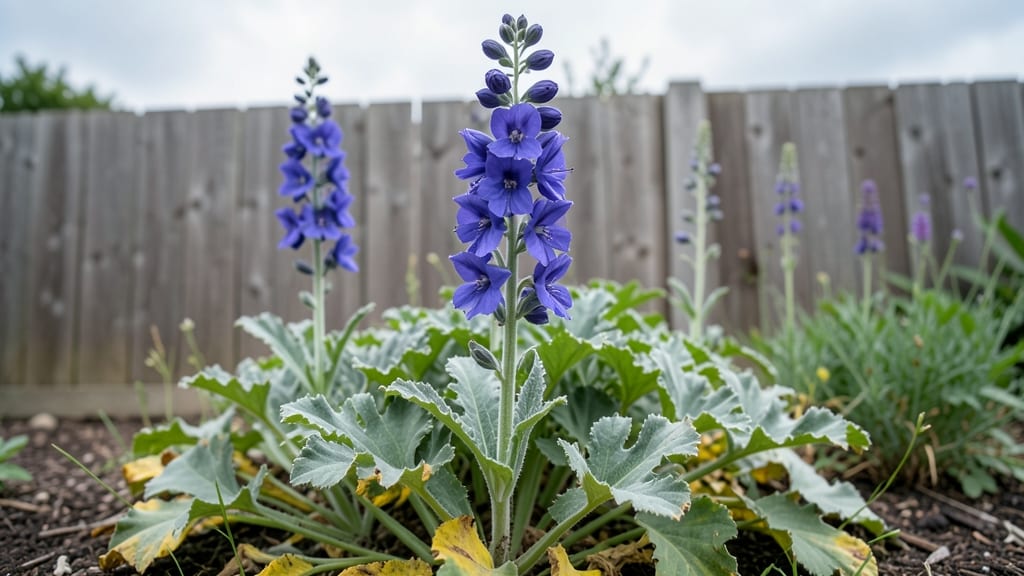
Tall spike flowers transform a flat garden into a layered masterpiece—imagine delphiniums reaching 5 feet tall, their blue plumes swaying above daylilies like a painted backdrop. 🌿 I’ve used these vertical stars to create focal points that draw the eye upward, turning ordinary beds into dramatic scenes that feel like a garden designer’s secret.
The key isn’t just planting them—it’s placing them where they’ll shine: along fences, at the back of borders, or clustered in odd-numbered groups for natural rhythm.
Think of snapdragons or ornamental grasses as the unsung heroes—snapdragons add whimsical texture while grasses bring movement and structure. Pair them with shorter perennials like coneflowers or salvias to balance the height, and suddenly your garden has depth instead of just width.
The best part? These spikes bloom in waves: delphiniums in early summer, snapdragons stretching into fall, and grasses holding their golden crowns through winter. It’s a year-round show with minimal effort.
You’ll end up with a garden that feels intentional, not just filled. The tallest spikes create a frame for your patio or path, while their colors—deep purples, soft whites, or fiery oranges—tie the whole space together.
Even in small yards, a single delphinium or two ornamental grasses can make a corner feel grand. The secret weapon? Staking them early—before the wind or rain bends them—and deadheading spent blooms to encourage more spikes. It’s simple, but the impact is undeniable.
Works for cottage gardens, modern landscapes, or even container arrangements on patios. The same principles apply: height, contrast, and timing. Let’s turn your flat garden into a vertical dream—one spike at a time.
📚 In This Guide
- What you need
- Instructions
- Tips and common mistakes
- Wrapping up and next steps
What you need
- ● Tall spike flower varieties: Choose from Delphinium, Foxglove, Hollyhock, Snapdragons, or Dahlias (3–6 plants per section for full height impact).
- ● Well-draining soil: 5–10 bags of garden loam mixed with compost (1 part compost to 3 parts soil).
- ● Fertilizer: Slow-release balanced fertilizer (10-10-10) or organic options like fish emulsion (follow package rates).
- ● Support structures: 3–5 bamboo stakes (5–6 ft tall) or flower rings per plant.
- ● Garden twine or soft plant ties (1–2 rolls).
- ● Mulch: 2–3 bags of straw or shredded bark to retain moisture.
- ● Garden tools: Trowel or hand shovel.
- ● Pruners (for trimming dead blooms).
- ○ Gloves (optional but recommended!).
- ● Watering supplies: Hose with spray nozzle or watering can (1–2 gallons capacity).
- ● Sunlight access: 6+ hours of direct sun daily (most tall spikes thrive in full sun!).
- ○ Optional upgrades: Self-watering planters for container gardening.
- ● Decorative trellises for extra vertical interest.
- ● Slow-release water beads for drought-prone areas.
How to design a striking vertical display with tall spike flowers
Let’s create a showstopping vertical garden that draws the eye upward with bold, architectural blooms.
🌱 Step 1: Select the Right Tall Spike Varieties
Choose flowers with natural vertical growth habits—think delphiniums, snapdragons, or tall hollyhocks—that will anchor your design. These varieties naturally reach 4-6 feet tall, providing instant height without staking. I like to mix 3-4 different types for varied textures and bloom times, ensuring continuous drama from early summer through fall.
Check the mature height of each plant before buying. Some, like foxgloves, can exceed 5 feet and need extra support, while snapdragons stay more compact at 3-4 feet. Pair them with shorter fillers like salvias or ornamental grasses to create depth and prevent overwhelming the space.
🪴 Step 2: Prepare Containers or Vertical Structures
For containers, use large pots (12-18 inches deep) with drainage holes to accommodate deep-rooted spike flowers. I prefer fabric grow bags because they allow roots to breathe and prevent waterlogging. If using a vertical planter, ensure it’s at least 12 inches deep and has sturdy backing to support the weight of mature plants.
Fill containers with a lightweight well-draining potting mix blended with 20% perlite or vermiculite to prevent compaction. Press the soil down gently but leave it loose enough for roots to spread. Avoid garden soil—it’s too dense and can suffocate roots in confined spaces.
☀️ Step 3: Plant for Maximum Vertical Impact
Place the tallest spikes at the back or center of your container or vertical planter, with shorter plants in front. This creates a natural tiered effect. Dig holes twice as wide as the root ball but no deeper—burying too far can suffocate stems. Space plants 12-18 inches apart to allow airflow and prevent crowding.
Water deeply after planting to settle the soil and eliminate air pockets. You’ll see the stems straighten and leaves perk up within 24 hours—that’s your sign the roots have made initial contact with moisture. Mulch the surface with 1 inch of shredded bark to retain moisture and suppress weeds.
💧 Step 4: Provide Support and Consistent Care
Install bamboo stakes or decorative metal supports at planting to prevent leaning, especially for varieties like delphiniums that can flop under their own weight. Tie stems loosely with soft plant ties every 12 inches up the stalk. Avoid tight bindings—they can strangle stems as they thicken.
Water at the base of the plant in the morning to reduce evaporation and fungal risks. Tall spikes need 1-1.5 inches of water weekly, but check the top inch of soil—if it’s dry, water again. Overhead watering can cause mildew on dense foliage, so use a soaker hose or drip irrigation for best results.
✂️ Step 5: Prune and Deadhead for Extended Bloom
Pinch back the top set of leaves on young plants to encourage bushier growth and more stems. This is especially useful for snapdragons and delphiniums, which can become leggy without intervention. Do this when plants reach 6-8 inches tall, and you’ll see 2-3 new side shoots within 2-3 weeks.
Deadhead spent blooms regularly to redirect energy into new flowers. For spike flowers, simply snip the entire spent stem back to the first set of healthy leaves. This keeps the plant focused on producing more blooms instead of setting seed. You’ll notice a surge in new buds within 7-10 days after pruning.
Tips & tricks for perfect tall spike flower arrangements
Creating a stunning vertical display with tall spike flowers is all about strategic planning and a few clever techniques that elevate your design from ordinary to extraordinary.
Variety Matters: When selecting your 3-4 different spike varieties in Step 1, consider not just height but also bloom duration. Pair early bloomers like delphiniums with later varieties such as foxgloves to ensure continuous vertical drama throughout the season. I’ve found that mixing snapdragons (3-4 feet) with tall hollyhocks (5-6 feet) creates a dynamic focal point that draws the eye upward naturally. The texture contrast between the spiky hollyhocks and the delicate snapdragons adds visual interest that flat arrangements simply can’t match.
Container Depth Strategy: In Step 2, the 12-18 inch depth requirement isn’t just about accommodating roots—it’s about creating a stable base for your towering plants. I’ve learned the hard way that shallow containers cause plants to lean precariously as they grow. For extra stability, especially with delphiniums that can reach 6 feet, consider adding a layer of gravel or expanded clay pebbles at the bottom of your container before adding soil. This creates additional weight at the base while still maintaining excellent drainage. The 20% perlite addition is crucial too—it prevents compaction that can suffocate roots in confined spaces.
Planting Precision: The 12-18 inch spacing in Step 3 might seem generous, but trust me on this: proper airflow prevents fungal diseases that plague dense plantings. I recommend arranging your tallest spikes in a slight triangular formation rather than a straight line—this creates a more natural, organic look while maintaining structural integrity. After planting, give the soil a gentle press around each plant to eliminate air pockets, then water deeply. Within those 24 hours, you’ll notice the stems straighten and leaves perk up—this visual confirmation tells you the roots have made initial contact with moisture and are ready to establish themselves.
Support System: The 12 inch spacing for plant ties in Step 4 is about balance—close enough to provide support without restricting growth. I’ve found that bamboo stakes work beautifully for most varieties, but for foxgloves that can exceed 5 feet, I recommend decorative metal supports that can handle the weight. The key is to install supports at planting time, not after the plants have already started leaning. Ties should be loose enough that you can fit two fingers between the tie and the stem—this prevents the stems from becoming constricted as they thicken.
Pro Tips for Tall Spike Flowers
- Creating a stunning vertical display with tall spike flowers is all about strategic planning and a few clever techniques that elevate your design from ordinary to extraordinary.
- Variety Matters: When selecting your 3-4 different spike varieties in Step 1, consider not just height but also bloom duration.
- Container Depth Strategy: In Step 2, the 12-18 inch depth requirement isn’t just about accommodating roots—it’s about creating a stable base for your towering plants.
Frequently asked questions
Got questions about adding tall spike flowers to your vertical garden?
Here are some of the most common ones—plus quick, practical answers to help you grow with confidence!
What are the best tall spike flowers for beginners?
Start with easy-care varieties like Delphinium, Snapdragons, or Foxgloves. These thrive in most climates, offer striking height (3–6 feet!), and tolerate occasional neglect. For vertical gardens, Lobelia or Salvia are also great—just ensure they get enough sunlight and well-draining soil.
How long do tall spike flowers take to grow?
Most tall spike flowers take 6–12 weeks to reach full height from seed, depending on the variety and growing conditions. If planting seedlings, expect 4–8 weeks for dramatic spikes. Patience pays off—these beauties reward you with bold vertical drama!
Do tall spike flowers need full sun?
Most do! Delphinium, Hollyhocks, and Sunflowers thrive in 6+ hours of direct sunlight daily. However, some like Foxgloves tolerate partial shade (4–6 hours). Check your flower’s needs—overly shady spots can lead to leggy, weak stems.
How do I support tall spike flowers in a vertical garden?
Use trellises, stakes, or lightweight cages to prevent flopping. For heavy blooms (like Sunflowers), tie stems to supports with soft garden twine. Avoid overcrowding—space plants 12–18 inches apart for airflow and stability. Pro tip: Bamboo stakes are budget-friendly and blend well!
Why are my tall spike flowers leaning or falling over?
Leaning stems often mean poor support, weak stems, or overwatering. Check for:
- Sturdy supports (add stakes if needed).
- Balanced watering (let soil dry slightly between waterings).
- Sunlight (shady spots cause weak growth).
Can I grow tall spike flowers in containers?
Choose deep containers (12+ inches) with drainage holes and a well-draining potting mix. Dwarf varieties like Miniature Sunflowers or Dwarf Delphinium work well. Just monitor watering—containers dry out faster than garden beds.
Wrapping up and next steps
Tall spike flowers aren’t just eye-catching—they’re game-changers for adding drama, structure, and vertical interest to any garden. Whether you’re working with towering Delphiniums, bold Snapdragons, or striking Gladiolus, these plants bring height, texture, and a touch of elegance to your outdoor space. 🌿✨
Ready to transform your garden? Start by picking a few spike flowers that match your style and climate, then get creative with placement, supports, and companion plants. Your vertical garden masterpiece is just a few spikes away!