
Flowers
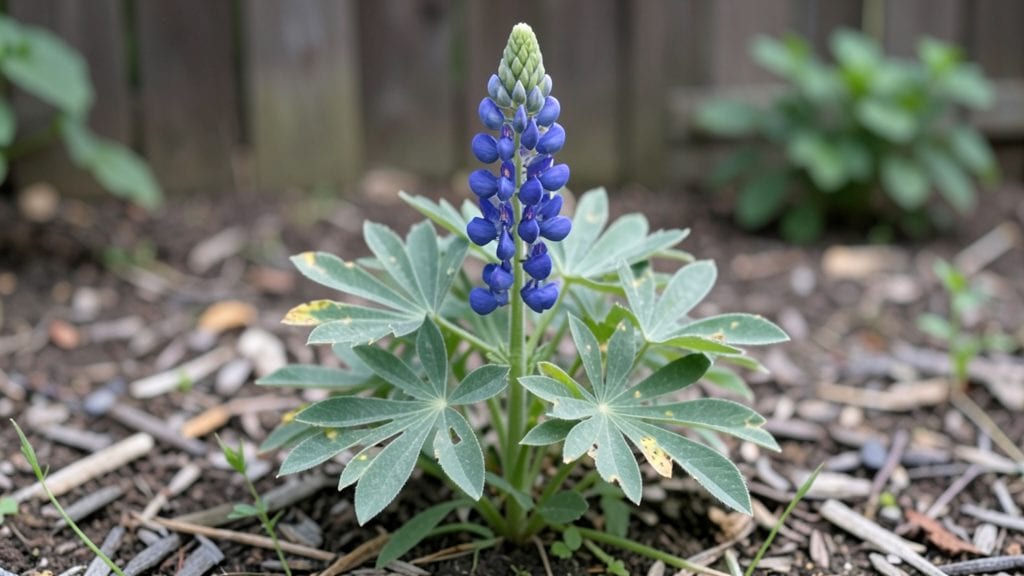
These lupin pictures flower borders, with their spiky candy-colored blooms, bring towering drama to cottage gardens as if defying gravity—just like the first time I saw them, transforming flat beds into a designer’s secret weapon. 🌿 into vertical masterpieces with minimal effort.
These plants thrive where others falter, popping up in poor soil and blooming for weeks with almost no fuss.
Their tall, architectural stems create instant focal points, while the delicate petals add softness to cottage-style gardens. Russell Hybrid lupins offer classic blue and purple hues, while Lupinus polyphyllus brings vibrant pinks and whites that dance in the breeze.
Plant them in clusters along pathways or at the back of borders to draw the eye upward and create that signature "wow" factor.
You’ll love how lupins pair with lavender, delphiniums, and salvias for a dreamy, old-fashioned look. Their late spring to early summer bloom time fills gaps when other perennials are still waking up. The best part? They self-seed reliably, so once planted, they’ll keep multiplying for years with almost no maintenance.
Perfect for small spaces, cottage-style gardens, or even containers on patios—these flowers prove that drama doesn’t require a big yard. Let’s make your garden the talk of the neighborhood with lupins as the star.
📚 In This Guide
- What you need
- Instructions
- Tips and common mistakes
- Wrapping up and next steps
What you need
- ● Lupin Seeds or Seedlings: Choose Lupinus polyphyllus (Garden Lupin) or Lupinus perennis (Wild Lupin) for vibrant colors (blue, purple, pink, or white).
- ● Quantity: 10–20 seeds (if starting from scratch) or 5–10 healthy seedlings (for faster results).
- ● Growing Containers or Garden Beds: Containers: 12–18" deep pots (minimum 12" diameter) with drainage holes. Quantity: 1–2 per lupin plant.
- ● Garden Beds: Well-draining soil in a sunny spot (6+ hours of sunlight daily).
- ● High-Quality Potting Mix: Use a well-draining mix (e.g., 60% garden soil, 30% perlite, 10% compost). Avoid soggy soil—lupins hate waterlogged roots!
- ● Quantity: 1–2 cubic feet per container or amend garden beds accordingly.
- ○ Fertilizer: Low-phosphorus fertilizer (e.g., 5-10-10 NPK ratio) to prevent leggy growth. Optional: Add a handful of bone meal at planting for phosphorus.
- ● Garden Tools: Trowel or small shovel
- ● Pruning shears (for deadheading)
- ● Gloves (lupin leaves can be prickly!)
- ○ Support Structures (Optional but Recommended):strong> Bamboo stakes or pea stakes (3–4 ft tall) to prevent flopping.
- ● Twine or soft plant ties for securing stems.
- ● Watering Can or Hose: Water deeply but infrequently—lupins are drought-tolerant once established.
- ○ Mulch (Optional): Wood chips or straw to retain moisture and suppress weeds.
How to plant lupins for stunning vertical garden drama
Lupins bring bold height and cottage charm to any garden—here’s how to grow them like a pro.
🌱 Step 1: Choose the Right Location and Prepare the Soil
Lupins thrive in full sun to partial shade, so pick a spot with at least 6 hours of sunlight daily. They tolerate light shade but may not bloom as profusely. I like to plant mine where they’ll anchor the back of a border or stand alone as a dramatic focal point.
Work the soil to a depth of 12 inches to loosen compacted layers. Lupins prefer well-draining soil with a slightly acidic to neutral pH (around 6.0-7.0). If your soil is heavy clay, mix in 2-3 inches of compost to improve drainage and fertility. Avoid freshly amended soil—wait 2-3 weeks after adding compost before planting to let it settle.
🪴 Step 2: Plant Seeds or Transplants at the Right Depth
Lupins grow from seeds or young plants. If using seeds, plant them ½ inch deep in early spring after the last frost date. I like to sow them directly in the garden rather than starting indoors—they germinate best in cooler soil. Space seeds 12-18 inches apart in rows 18-24 inches apart to give them room to mature.
If using transplants, dig holes twice as wide as the root ball and the same depth. Gently remove the plant from its container and loosen the roots if they’re circling. Place the plant in the hole, backfill with soil, and water deeply to settle everything. Lupins have deep taproots, so avoid disturbing them once planted.
💧 Step 3: Water Deeply and Maintain Consistent Moisture
Water lupins deeply once a week during the first growing season to encourage strong root development. They’re drought-tolerant once established but bloom best with steady moisture. You’ll know they’re getting enough water when the soil feels 2-3 inches deep but not soggy.
After the first year, lupins become quite resilient. Reduce watering to every 2-3 weeks unless your area experiences extreme heat or drought. Overwatering can lead to root rot, so always check the soil before watering—if it’s still damp, skip it. Mulch around the base with 2-3 inches of organic mulch to retain moisture and suppress weeds.
☀️ Step 4: Provide Support and Encourage Strong Growth
Lupins grow 3-5 feet tall, so they often need support, especially in windy areas. I like to install 3-foot tall stakes at planting and loosely tie the stems to them as they grow. This prevents flopping and keeps the flowers upright for better display. Avoid tying too tightly—lupins grow quickly and need room to move.
Pinch back the tips of young plants when they reach 6-8 inches tall to encourage bushier growth and more blooms. This step is optional but makes a noticeable difference in plant density and flower production. You’ll see thicker stems and more branches forming within a few weeks.
✂️ Step 5: Deadhead and Maintain for Continuous Blooms
Deadhead spent blooms regularly to encourage more flowers and extend the blooming season. Lupins typically bloom from late spring to early summer, but consistent deadheading can keep them flowering for 6-8 weeks. Simply snip off faded flower spikes just above the first set of leaves.
After flowering, leave the seed pods on the plant if you want to collect seeds for next year. If not, cut the entire plant back to 6 inches tall in early fall. This helps the plant redirect energy to root growth for next season. Lupins are perennial in USDA zones 4-9, so with proper care, they’ll return year after year with even more dramatic blooms.
Tips & tricks for perfect lupin planting
Here's what I've learned after growing lupins for years—these little tricks make all the difference for dramatic vertical accents in your garden.
Soil Preparation Secret: Before planting, mix a handful of bone meal into the bottom of each planting hole. Lupins are legumes and benefit from the extra phosphorus—this boosts early root development and leads to stronger plants. I always do this in Step 1 when amending the soil, especially if my garden soil isn't naturally rich.
Planting Depth Matters: Those ½-inch deep seed plantings in Step 2 are crucial—don't go deeper! Lupin seeds need light to germinate properly. If you're planting in heavy clay soil, create small mounds rather than holes to ensure proper drainage at that shallow depth. For transplants, the "same depth" rule prevents root stress that can stunt growth.
Watering Wisdom: When establishing your lupins in Step 3, I've found that watering deeply at the base (rather than overhead) prevents fungal issues. Aim for that 2-3 inch soil moisture check by pushing your finger into the soil—it should feel like a wrung-out sponge. The once-a-week schedule works best in most climates, but adjust if you notice wilting during heatwaves.
Support System Strategy: For those 3-5 foot tall lupins in Step 4, I recommend using three stakes per plant rather than one. Place them in a triangle formation around each plant and tie stems to all three. This creates a more stable support system that prevents flopping, especially in windy conditions. The loose tying technique gives stems room to grow without constriction.
Pro Tips for Lupin Pictures Flower
- Here's what I've learned after growing lupins for years—these little tricks make all the difference for dramatic vertical accents in your garden.
- Soil Preparation Secret: Before planting, mix a handful of bone meal into the bottom of each planting hole.
- Planting Depth Matters: Those ½-inch deep seed plantings in Step 2 are crucial—don't go deeper!
Frequently asked questions
Got questions about growing or styling Lupin Pictures flowers? You’re not alone! Here are some of the most common queries—plus quick answers to help you nail those dramatic vertical accents in your cottage garden.
How tall do Lupin Pictures flowers grow, and when do they bloom?
Lupin Pictures
typically reach 3–5 feet tall, making them perfect for adding height to borders or mixed flower beds. They bloom from late spring to early summer (May–July in most climates), with vibrant purple, pink, or white flower spikes that last 4–6 weeks. For extended blooms, deadhead spent flowers regularly!
Do Lupin Pictures need full sun, or can they tolerate partial shade?
While they thrive in full sun (6+ hours daily), Lupin Pictures can tolerate partial shade—especially in hotter climates where afternoon shade helps prevent wilting. However, expect fewer blooms in shadier spots. If growing in partial shade, ensure well-draining soil to avoid root rot.
Are Lupin Pictures annuals or perennials, and how do I overwinter them?
Lupin Pictures are perennials
in USDA zones 4–9, but they often self-seed prolifically, making them act like annuals in some areas. In colder zones, mulch the base with straw or leaves in winter. In warmer zones, they may rebloom lightly in fall if given consistent water.
What’s the best companion plant for Lupin Pictures in a cottage garden?
Pair Lupin Pictures with low-growing perennials like lavender, catmint, or nepeta to contrast their height. They also love delphiniums or foxgloves for a romantic, layered look. Avoid heavy feeders (like roses) that compete for nutrients—stick to light, drought-tolerant companions for harmony.
Why are my Lupin Pictures flowers not opening, or are they wilting?
Wilted or unopened blooms often signal overwatering, poor drainage, or heat stress. Ensure soil is moist but not soggy—Lupins hate "wet feet." If buds refuse to open, they may need more sunlight or a light trim to encourage new growth. Pests like aphids can also stunt blooms; spray with soapy water if needed.
Can I cut Lupin Pictures for bouquets, and how long do they last?
Cut stems early in the morning for the longest vase life (5–7 days). Remove lower leaves to prevent bacterial growth in water, and recut stems at an angle. Pro tip: Add a splash of bleach (1 tsp per gallon of water) to extend freshness. Their dramatic vertical spikes make stunning focal points in arrangements!
Wrapping up and next steps
From their striking vertical growth to their delicate blooms, lupin pictures flower are a dream addition to any cottage garden. These plants not only bring height and drama but also effortless charm, making them a favorite for gardeners who love texture and contrast.
Whether you're a seasoned gardener or just starting, incorporating lupins into your space is a rewarding way to elevate your outdoor aesthetic.
Ready to transform your garden? Start small—plant a few lupin pictures flower in a sunny spot and watch your space come alive with color and movement! 🌸