
Companion Plants
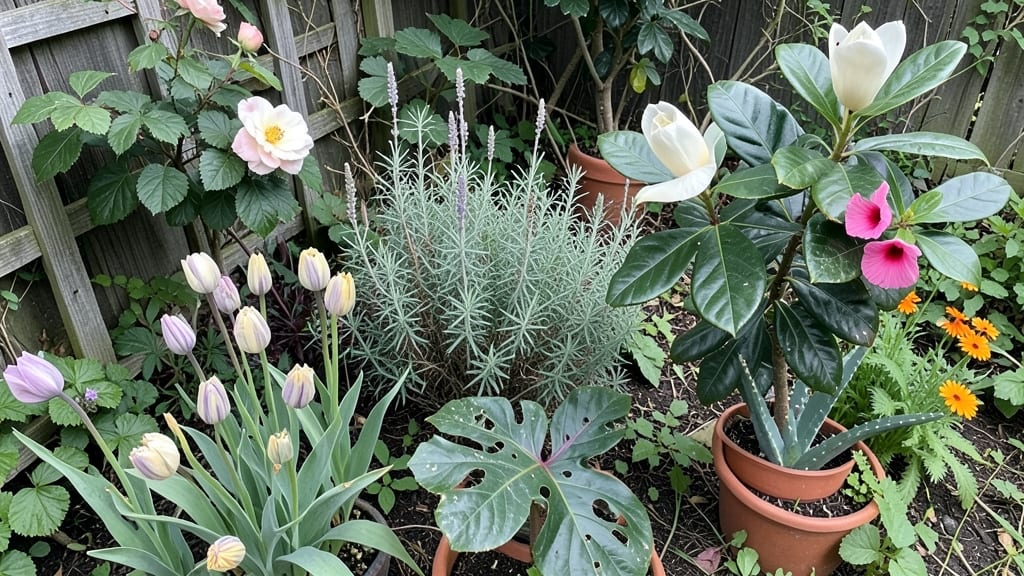
The study of flowers and plants is called botany, a branch of biology that examines plant life, including their structure, growth, reproduction, metabolism, and taxonomy. It also explores plant interactions with the environment and other organisms.
The science behind flowers and plants—what we call botany—goes far beyond just naming species. 🌿 This field dives into how plants breathe, adapt, and even communicate through chemical signals, which directly impacts gardening choices.
For example, understanding a plant's native habitat helps you replicate its ideal growing conditions at home, whether it's mimicking a rainforest's humidity or a desert's drought tolerance. My own garden transformed when I started applying these principles, especially in selecting companion plants that naturally deter pests without chemicals.
What makes botany so fascinating is its blend of pure science and practical magic. 🌸 Take pollination: by learning which flowers attract specific bees or butterflies, you can design a pollinator-friendly garden that thrives with minimal intervention.
The field also bridges ancient wisdom (like traditional herbal medicine) with cutting-edge research, creating a living connection between past and present plant knowledge.
💡 In This Article
- Botany’s Core Disciplines and Specializations
- How Botanical Knowledge Enhances Gardening Success
Botany’s core disciplines and specializations
At the heart of plant science lies morphology, the study of plant structures—from the microscopic cells in a rose petal to the branching patterns of a willow tree.
Botanists use dissecting microscopes to examine leaf venation patterns (like the parallel veins in monocots vs. the netted veins in dicots) to classify plants. This field helps gardeners identify plant families by their shared traits, such as the compound leaves of mint or the fibrous roots of grasses.
Physiology dives deeper into how plants function, tracking processes like photosynthesis where chloroplasts convert sunlight into energy at rates of 1-2 grams of glucose per square meter per hour under ideal conditions. Understanding these mechanisms explains why some plants thrive in shade (like ferns) while others need full sun (like sunflowers). Soil moisture sensors and pH meters are tools botanists use to measure these physiological responses in real time.
Taxonomy organizes plants into a hierarchical system based on shared evolutionary traits, using DNA sequencing to confirm relationships. For example, the tomato was reclassified from the nightshade family to the Solanaceae family after genetic analysis revealed its closer ties to potatoes. This precision helps gardeners select compatible plants—like pairing basil with tomatoes to improve flavor through shared chemical signals.
Ecology examines how plants interact with their environment, studying everything from mycorrhizal fungi networks that extend plant root systems to the competitive relationships between invasive species and native flora. A prime example is how clover fixes nitrogen in the soil, reducing the need for synthetic fertilizers in gardens by up to 30% when planted as a cover crop.
These disciplines intersect in horticulture, where botanical knowledge directly translates to garden success. For instance, understanding a plant's native ecology helps replicate its growing conditions—like mimicking the 60-80% humidity of tropical rainforests for orchids or the drought-resistant adaptations of succulents. 🌱
Specialized fields like ethnobotany bridge traditional plant knowledge with modern science, studying how cultures have used plants for medicine, food, and tools. For example, the active compound in willow bark (salicin) was the original source for aspirin, a discovery that began with observing indigenous remedies.
This cross-pollination of knowledge creates a dynamic feedback loop between scientific research and practical gardening techniques.
For amateur gardeners, grasping these core disciplines means making more informed choices—whether selecting drought-tolerant plants for xeriscaping or choosing pollinator-friendly flowers to support local ecosystems. The beauty of botany lies in its ability to turn abstract science into tangible, garden-transforming insights. 🌿