
Companion Plants
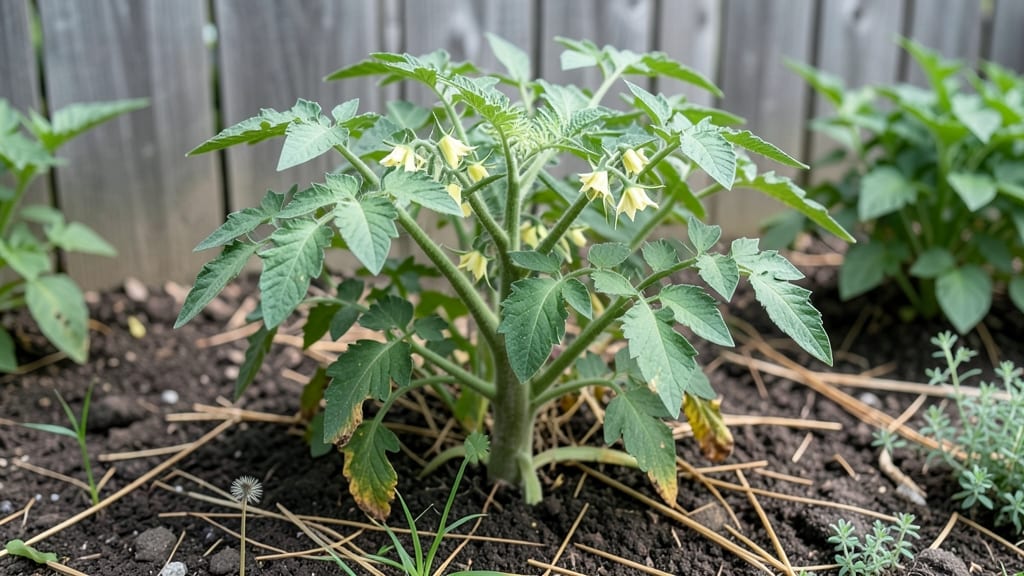
Yes, tomato plants have flowers as part of their natural growth cycle, and these blossoms are essential for fruit production. The small yellow or white blooms appear before tomatoes form, signaling the plant’s readiness to bear fruit if pollinated properly.
Tomato flowers are the gateway to your harvest, appearing in clusters at the plant's joints. 🌸 These delicate blooms typically last just 24-48 hours before either setting fruit or dropping off if pollination fails.
I’ve seen firsthand how even minor environmental factors—like inconsistent watering or extreme heat—can cause flowers to abort before fruiting. Understanding their lifecycle helps you troubleshoot why your plants might be producing fewer tomatoes than expected.
For instance, indeterminate varieties like 'Cherry Tomatoes' produce flowers continuously throughout the growing season, while determinate types like 'Roma' bloom all at once. This difference affects how you should manage your garden, especially when it comes to hand-pollination in controlled environments like greenhouses.
💡 In This Article
- Tomato Flower Anatomy and Pollination Process
- Encouraging Healthy Tomato Flowering for Maximum Yield
Tomato flower anatomy and pollination process
The tomato flower is a masterpiece of botanical engineering, designed to maximize fruit production. Each bloom contains both male (stamens) and female (pistil) reproductive parts—a structure called perfect flowers. The stamens, with their yellow anthers (pollen producers), surround the central pistil topped by a stigma that collects pollen.
These flowers typically measure 0.5-1 inch in diameter and appear in clusters called inflorescences, with each cluster capable of producing 5-12 flowers depending on the variety.
Self-pollination happens through clever mechanisms: wind currents, gentle vibrations from bees or even morning dew can dislodge pollen from the anthers onto the stigma. 🌬️ The process is remarkably efficient—studies show that 80-90% of tomato pollination occurs without human intervention. However, this system relies heavily on environmental conditions.
Temperatures above 90°F can cause pollen to become sterile, while humidity below 40% makes the stigma less receptive. Even slight dehydration in the flower can prevent pollen tubes from growing down the pistil to fertilize the ovules.
When pollination fails, flowers often drop within 24-48 hours—a phenomenon called flower drop. This is nature's way of conserving energy when fruit production isn't viable. The most common causes include poor pollen viability (from heat stress), inadequate pollinators (in greenhouses), or nutritional imbalances.
I've noticed that nitrogen-heavy fertilizers can actually reduce flowering by promoting leaf growth over reproductive structures—a classic case of plants prioritizing survival over fruit production.
Genetics also play a role in why some flowers fail to set fruit. Certain varieties, like 'Black Krim', are more sensitive to temperature fluctuations, while others like 'Solar Fire' produce heat-tolerant pollen.
The key difference lies in the flower's stamen length—shorter stamens in high-heat conditions can't effectively transfer pollen to the stigma. This is why greenhouse growers often need to supplement with hand-pollination techniques like gently tapping flower clusters or using small paintbrushes.
Here's what happens at the cellular level: once pollen lands on the stigma, it germinates and grows a pollen tube down the pistil's style, a process that takes 24-48 hours. The tube delivers sperm cells to the ovules, where fertilization occurs.
If this process fails at any stage—whether from poor pollen quality, blocked pollen tubes, or incompatible genetics—the flower will drop without forming fruit. 🌱 This is why maintaining consistent growing conditions is crucial for maximizing your tomato harvest.
The flower's lifespan is remarkably short—typically just 3-5 days from opening to either fruiting or dropping. This tight timeline explains why even minor environmental stressors can dramatically reduce your yield. For example, a sudden drop in nighttime temperatures below 55°F can cause flowers to abort before fertilization occurs.
Understanding this delicate balance helps gardeners create optimal conditions for their plants to thrive.