
Flowers
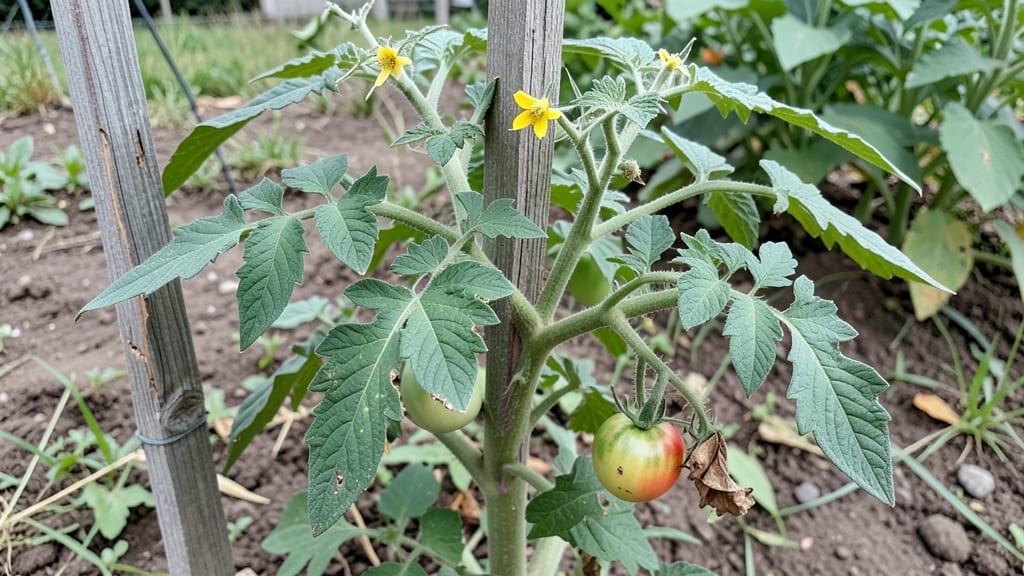
When your tomato flowers turn rotten before they even set fruit, it’s a heartbreaking sight that usually means blight, fungal infections, or poor growing conditions. 🌱 I’ve lost entire harvests to this exact problem—until I discovered the simple science-backed fix that saved my plants mid-season.
The key isn’t just treating symptoms but addressing the root cause, whether it’s too much water, bad airflow, or hidden pests.
The first step is identifying the rot: look for dark, mushy spots on flowers or fruit, or yellowing leaves that crumple easily. Overwatering is often the culprit, but fungal diseases like early blight or septoria leaf spot love damp conditions too.
Once you spot the issue, prune affected areas immediately and adjust your watering—tomatoes need about 1 inch per week, never soggy soil.
With the right approach, you’ll see new blooms within 2-3 weeks that actually set fruit. I’ve revived plants that were nearly dead by improving airflow, applying a copper fungicide spray, and switching to drip irrigation.
The best part? These changes also prevent future rot, so your next harvest stays rot-free and bountiful.
Works for both garden beds and containers, and the same principles apply whether you’re dealing with heirlooms or hybrid varieties. Let’s get those plants back on track before another flower falls victim to rot.
Root Causes Of Blossom Rot
When your tomato plant’s flowers suddenly turn brown, mushy, or black—often called "rotten tomato flower"—it’s rarely a random act of nature. Instead, it’s usually a cry for help from your plant, signaling one or more underlying issues.
Understanding these causes is the first step to saving your harvest. Below, we break down the most common culprits, backed by science, so you can diagnose the problem like a pro.
Tomato flowers are delicate, and too much water—especially when the soil is already saturated—can lead to bacterial or fungal rot. Here’s why it happens:
- Oxygen Starvation: Roots need oxygen to function. Overwatering displaces air in the soil, suffocating roots and preventing them from absorbing nutrients efficiently. This stress weakens the plant, making flowers more susceptible to rot.
- Fungal Invaders: Excess moisture creates the perfect breeding ground for Phytophthora and Fusarium fungi. These pathogens thrive in soggy conditions and attack flower buds, causing them to turn black and mushy within days.
- Blossom-End Rot’s Cousin: While blossom-end rot affects fruits, overwatering can trigger similar issues in flowers due to imbalanced calcium uptake. The plant prioritizes root survival over flower health, leading to premature decay.
Actionable Fix: Let the top 1–2 inches of soil dry out between waterings. Use well-draining soil (mix in perlite or compost) and ensure pots or garden beds have drainage holes. If your plant is already rotting, trim affected flowers and reduce watering immediately.
Pathogens are the silent saboteurs of tomato blooms. Once they take hold, they can spread rapidly, turning vibrant flowers into a sad, slimy mess. Here’s how they strike:
- Early Blight (Alternaria solani): This fungus starts as small brown spots on lower leaves but quickly moves upward. Spores spread via water splashes (like overhead irrigation) and infect flower clusters, causing them to darken and drop prematurely.
- Bacterial Spot (Xanthomonas perforans): Warm, humid conditions (75–90°F) are ideal for this bacteria. It creates water-soaked lesions on flowers, which then ooze and rot. Unlike fungal rot, bacterial infections often have a yellow halo around affected areas.
- Gray Mold (Botrytis cinerea): Thrives in damp, shaded environments. It coats flowers in a gray, fuzzy mold, causing them to collapse. This is especially common in greenhouses or crowded plants with poor airflow.
Actionable Fix:
- Remove infected flowers and leaves immediately (don’t compost them—bag and discard).
- Apply a copper fungicide (for bacterial issues) or neem oil (for fungal problems) every 7–10 days.
- Space plants 18–24 inches apart to improve airflow and reduce humidity around blooms.
Tomato flowers are temperature-sensitive. They thrive in stable conditions but can rot if exposed to sudden heat or cold. Here’s the science:
- Cold Stress (<50°F): Flowers formed during cool nights (a process called vernalization) may not develop properly. If temperatures drop suddenly, pollen production halts, and flowers abort or rot without setting fruit.
- Heat Stress (>90°F): High temperatures cause pollen sterility. Flowers may form but fail to pollinate, leading to deformed or rotting blooms. Additionally, heat accelerates transpiration (water loss), making flowers more vulnerable to fungal infections.
- Frost Damage: Even a light frost can kill flower buds overnight. The tissue turns black and mushy as cells rupture from ice crystal formation.
Actionable Fix:
- Use row covers or cloches to protect plants during cold snaps.
- Provide afternoon shade in hot climates (use shade cloth or plant near taller crops).
- Avoid planting tomatoes too early in spring—wait until soil temps are consistently above 60°F.
Tomatoes are heavy feeders, and a lack (or excess) of key nutrients can lead to flower rot. The most critical offenders:
| Nutrient Issue | How It Causes Rot | Signs to Watch For |
|---|---|---|
| Calcium Deficiency | Calcium strengthens cell walls. Without it, flowers become soft and prone to collapse, especially in wet conditions. | Brown, leathery spots on flowers; blossoms drop prematurely. |
| Nitrogen Excess | Too much nitrogen promotes leafy growth at the expense of flowers. Weak blooms are more susceptible to disease and rot. | Lush green leaves but few or deformed flowers. |
| Magnesium Deficiency | Magnesium activates enzymes that help flowers absorb calcium. A deficiency leads to poor pollen viability and rotting buds. | Yellowing between leaf veins; flowers turn brown and brittle. |
Actionable Fix:
- Apply calcium-rich amendments like crushed eggshells, lime, or a calcium nitrate solution (1 tbsp/gallon water).
- Use a balanced fertilizer (e.g., 5-10-10) and avoid high-nitrogen feeds during flowering.
- Test soil pH—aim for 6.0–6.8 to ensure nutrient availability.
Pests don’t just eat leaves—they destroy flowers, creating entry points for rot. The worst offenders:
- Tomato Hornworms: These voracious caterpillars devour entire flower clusters overnight. The physical damage weakens the plant, making it susceptible to infections.
- Aphids & Whiteflies: They pierce flower buds, injecting toxins that cause blooms to blacken and wilt. Their sticky honeydew also attracts mold.
- Japanese Beetles: Adult beetles skeletonize flowers, leaving them unable to pollinate. The trauma accelerates rot.
Actionable Fix:
- Handpick pests (drop hornworms in soapy water; shake beetles into a bucket of soapy water).
- Spray with neem oil or insecticidal soap in the evening to avoid harming pollinators.
- Use row covers
Reviving Wilted Blooms Step-by-Step
Your tomatoes may have lost their luster, but all isn’t lost! Whether the issue stems from overwatering, underwatering, disease, or environmental stress, these science-backed solutions will help you revive those drooping flowers—and even prevent future wilting. Let’s break it down by cause and fix.
Signs: Yellowing leaves, mushy stems, or flowers that collapse despite damp soil.
How to Fix It:
- Stop Watering Immediately 🚰 – Let the soil dry out completely before watering again.
- Improve Drainage 🏗️ – Mix in perlite or sand to loosen heavy soil. If potted, repot into a container with drainage holes.
- Prune Affected Parts ✂️ – Snip off blackened or mushy stems to prevent rot from spreading.
- Boost Air Circulation 🌬️ – Space plants apart or use a small fan to dry leaves faster.
Prevention Tips:
- Water only when the top 1–2 inches of soil are dry (stick your finger in to check!).
- Use self-watering pots or drip irrigation for consistent moisture.
- Avoid watering in the evening—wet leaves at night invite fungal infections.
Signs: Crispy leaf edges, flowers wilting even when soil feels dry, or stems pulling away from the pot.
How to Fix It:
- Water Deeply and Slowly 💦 – Soak the soil until water drains from the bottom (10–15 minutes for pots).
- Mulch to Retain Moisture 🌿 – Spread 2–3 inches of straw or shredded bark around the base (keep it 1 inch away from stems).
- Check for Root Bound 🌱 – Gently tug the plant; if roots circle the pot, repot into a slightly larger container.
- Fog Leaves Lightly 🌫️ – Mist flowers in the morning to mimic humidity without over-saturating the soil.
Prevention Tips:
- Morning watering is ideal—it gives plants time to absorb moisture before evening heat evaporates it.
- Group tomato plants together to create a microclimate that holds humidity.
- Use moisture meters for peace of mind (especially in sandy or fast-draining soils).
Signs: White powdery spots, dark lesions, or flowers covered in fuzzy mold (common with early blight or powdery mildew).
How to Fix It:
- Remove Infected Parts 🧹 – Snip off diseased leaves/flowers and dispose of them in the trash (not compost).
- Apply Baking Soda Spray 🧂 – Mix 1 tsp baking soda + 1 quart water + a drop of dish soap. Spray every 7–10 days (test on a small leaf first).
- Use Copper Fungicide 🛡️ – Organic options like copper soap (follow label rates) can stop spread.
- Space Plants for Airflow 🌬️ – Thin out crowded foliage to reduce humidity pockets where fungi thrive.
Prevention Tips:
- Water at the base (avoid overhead spraying).
- Rotate crops—don’t plant tomatoes in the same spot yearly.
- Strengthen plants with neem oil (1 tsp per liter of water, spray weekly) to boost natural defenses.
Signs: Flowers drooping in hot afternoons, crispy edges, or leaves curling upward.
How to Fix It:
- Provide Afternoon Shade 🌳 – Use shade cloth (30–50%) or move pots to a spot with dappled sunlight.
- Mulch Heavily 🌿 – Light-colored mulch (like straw) reflects heat and keeps roots cool.
- Hydrate with Ice Cubes ❄️ – Place 3–4 ice cubes near the base of potted plants to slowly release water.
- Foliage Mist 💧 – Lightly mist leaves in the early morning to cool them down.
Prevention Tips:
- Choose heat-tolerant varieties like ‘Solar Fire’ or ‘Heatmaster’ tomatoes.
- Avoid fertilizing during heatwaves—it stresses plants further.
- Use reflective mulch (like aluminum foil under black plastic) to bounce back sunlight.
Signs: Chewed leaves, sticky residue (aphids), or flowers with tiny holes (spider mites).
How to Fix It:
- Blast Off Pests 💨 – Spray plants with soapy water (1 tsp mild soap per quart) in the early morning.
- Introduce Beneficial Bugs 🐞 – Ladybugs or lacewings eat aphids naturally (buy from garden centers).
- Neem Oil Treatment 🌿 – Mix 2 tsp neem oil + 1 tsp mild soap per liter of water. Spray every 5–7 days.
- Prune Heavily Infested Areas ✂️ – Remove and destroy badly damaged leaves.
Prevention Tips:
- Interplant with basil or marigolds—they repel pests naturally.
- Inspect new plants before bringing them home (quarantine for 2 weeks if possible).
- Avoid broad-spectrum pesticides—they kill beneficial insects too.
If your tomatoes are severely wilted but not dead, try this emergency rejuvenation method: 1. Trim Back ✂️ – Cut the plant 1/3 shorter to reduce water demand and redirect energy to roots.
- Fertilize Lightly 🌱 – Use a balanced fertilizer (10-10-10) or compost tea to replenish nutrients.
- Root Stimulator Soak 🌊 – Soak roots in water + 1 tsp hydrogen peroxide (3%) for 10 minutes to shock them into regrowth.
- Move to Optimal Conditions 🏡 – Ensure 6–8 hours of sun, well-draining soil, and consistent moisture.
- Test your soil (pH 6.0–6.8 is ideal for tomatoes).
- Rotate plants annually to prevent disease buildup.
- Deadhead spent flowers to encourage more blooms (and reduce stress on the plant).
- Keep a garden journal to track what works (and what doesn’t!) next season.
With these fixes, your tomato flowers should perk up within 3–7 days—and with a little TLC, they’ll be blooming stronger than ever. 🌸🍅
Frequently asked questions
Why are my tomato flowers turning black and mushy?
This is often caused by overwatering or fungal infections like early blight. Too much moisture suffocates roots and creates the perfect environment for pathogens. Check for soggy soil and remove any affected flowers immediately to prevent spread.
Can I save tomato plants with rotting flowers?
Yes! First, trim off all rotting flowers and leaves. Then adjust your care: reduce watering, improve airflow, and apply a copper fungicide if fungal disease is suspected. With proper treatment, healthy new blooms typically appear within 2-3 weeks.
What’s the difference between blossom-end rot and flower rot?
Blossom-end rot affects the fruit (bottom side), causing dark, sunken spots from calcium deficiency. Flower rot targets the blooms themselves, turning them black and mushy due to excess moisture or disease. Both require different fixes—calcium amendments for blossom-end rot, and better drainage/airflow for flower rot.
How can I prevent tomato flowers from rotting in containers?
Use pots with drainage holes and well-draining soil mixed with perlite. Water only when the top 1-2 inches of soil are dry, and avoid getting water on the flowers. Elevate pots off the ground to improve airflow, and consider using drip irrigation instead of overhead watering.
Will neem oil help with rotting tomato flowers?
Yes! Neem oil is excellent for fungal infections and pests that contribute to flower rot. Mix 1 tsp neem oil + 1 tsp mild soap per liter of water and spray on flowers and leaves in the evening. Repeat every 5-7 days until the problem improves.