Flowers
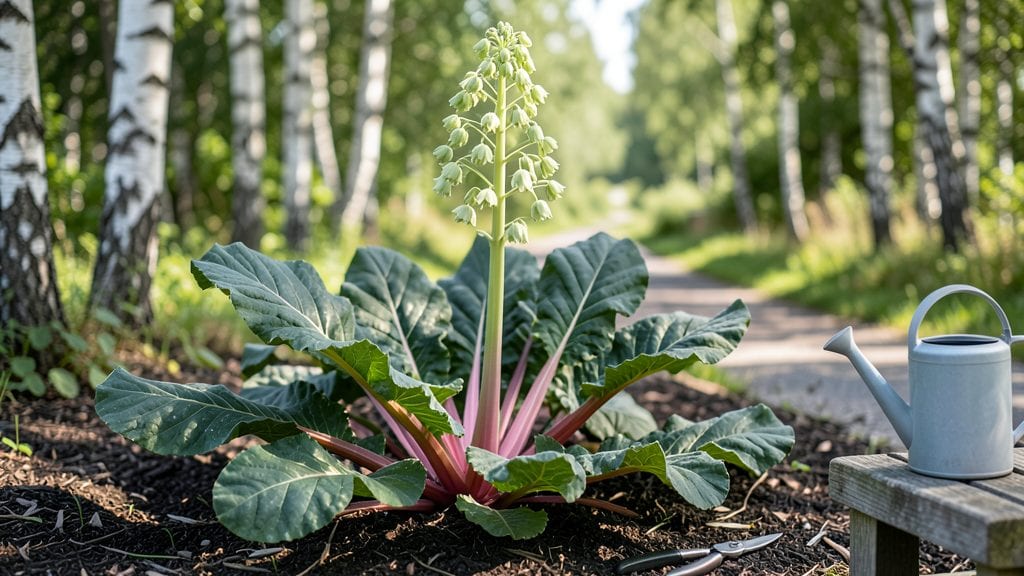
Managing rhubarb flower stalks is the secret to a bountiful harvest year after year. 🌱 I learned the hard way that letting those tall, dramatic stalks bloom saps energy from the plant—energy that could be going into those thick, tangy stalks we all love.
The first time I ignored them, my rhubarb yield dropped by nearly half, and the stalks themselves were smaller and less flavorful.
Here’s the deal: you don’t need fancy tools or complicated steps—just a sharp pair of pruners and a little timing. Cut those flower stalks off at the base as soon as they appear, usually in early spring, and repeat every few weeks if new ones sprout.
This redirects the plant’s focus back to producing those vibrant, harvest-ready stalks instead of wasting energy on seeds. It’s a simple swap that makes a huge difference.
When you keep those flower stalks in check, you’ll notice something magical: your rhubarb plant becomes a powerhouse. The stalks grow longer, thicker, and sweeter, and the plant stays vigorous for years.
By late summer, you’ll be pulling harvests that put store-bought rhubarb to shame—bright red, crisp, and packed with that signature tartness. The key is consistency; don’t let those stalks get a foothold.
This method works for both new and experienced gardeners, no matter your climate. Whether you’re in a cold northern zone or a milder southern region, the principle stays the same: prioritize those stalks over flowers.
Once you master this, your rhubarb plant will reward you with harvests that last well into fall—and maybe even winter if you’re lucky. Ready to turn those flower stalks into more rhubarb? Let’s get to it.
📚 In This Guide
- What you need
- Instructions
- Tips and common mistakes
- Wrapping up and next steps
What you need
- ● Rhubarb Crown: 1 organic, disease-free rhubarb crown (preferably R. × hybridum varieties like ‘Victoria’ or ‘Strawberry’ for edible stalks and flowers).
- ○ Optional: 1-2 extra crowns for propagation or backup.
- ● Soil: 5-10 gallons of well-draining, slightly acidic to neutral soil (pH 6.0–7.0).
- ● Recommended mix: 60% topsoil, 30% compost, 10% perlite or coarse sand.
- ● Fertilizer: 1 cup balanced 10-10-10 fertilizer (or organic alternatives like composted manure or bone meal).
- ○ Optional: Slow-release granules for long-term growth.
- ● Growing Space: Full sun (6+ hours/day) or partial shade (4–6 hours) in hot climates.
- ● Space: 3–4 feet in diameter per plant (rhubarb spreads!).
- ● Garden Tools: 1 trowel or transplant spade.
- ● 1 garden fork (for loosening soil).
- ● 1 pair of pruning shears (sterilized).
- ○ Optional: Mulch (straw or wood chips) to retain moisture.
- ● Watering Supplies: Watering can or hose with a gentle spray nozzle.
- ○ Optional: Drip irrigation system for consistency.
- ● Protective Gear (if needed):strong> Gloves (to avoid oxalic acid irritation from leaves).
- ● Knee pads (for comfort during planting).
- ● Prerequisites: Patience! Rhubarb takes 2–3 years to mature fully.
- ● Knowledge of your USDA hardiness zone (rhubarb thrives in zones 3–9).
Step-by-Step guide to growing and managing rhubarb flower stalks
Here's how to cultivate healthy rhubarb plants that reward you with plump stalks—while keeping those flower stalks in check.
🌱 Step 1: Plant Rhubarb Crowns in the Right Spot
Rhubarb thrives in partial shade with 6 hours of morning sun and afternoon shade, especially in hotter climates. Choose a location with well-draining soil—rhubarb hates soggy roots. Dig a hole 12-18 inches deep and 18 inches wide to accommodate the crown's spread.
Place the rhubarb crown 2 inches below soil level—this ensures stability and prevents the crown from drying out. Space multiple crowns 3 feet apart to allow airflow and reduce disease risk. If your soil is heavy clay, mix in 2 inches of compost to improve drainage and fertility.
☀️ Step 2: Water and Mulch for Consistent Growth
Keep the soil evenly moist but not waterlogged, especially during the first growing season. Water 1-2 inches per week, adjusting for rainfall—rhubarb roots are shallow and dry out quickly. You'll know it's time to water when the top 1 inch of soil feels dry.
Apply a 3-inch layer of organic mulch (like straw or wood chips) around the base to retain moisture and suppress weeds. Replenish mulch annually in early spring. Avoid piling mulch against the crown itself—keep it 2 inches away to prevent rot.
✂️ Step 3: Remove Flower Stalks Promptly
Here's the secret: Cut off flower stalks as soon as they appear—this redirects the plant's energy into producing more stalks, not seeds. Use clean shears to snip the stalk at the base, just above the crown. If you miss them early, the plant will still produce stalks, but yields will be smaller.
Don’t let flower stalks grow beyond 6 inches tall—they’ll sap energy from your harvest. I check my plants weekly in spring, and by mid-June, I’ve removed every stalk. This is the key to year-round harvests—rhubarb rewards patience and attention.
🌿 Step 4: Fertilize and Prune for Long-Term Health
Feed rhubarb in early spring with a balanced fertilizer (10-10-10) applied at ½ pound per 100 square feet. Avoid high-nitrogen fertilizers—they encourage leaf growth at the expense of stalks. Water thoroughly after fertilizing to prevent root burn.
In late fall, cut back all stalks and leaves to 1 inch above the crown. This cleans up the plant and helps it store energy for next year’s growth. I also remove any dead or diseased foliage immediately to prevent spread.
⏰ Step 5: Overwinter for Next Year’s Harvest
Rhubarb is hardy and survives winters with minimal care, but a little protection goes a long way. In colder climates, add a 4-inch layer of straw mulch around the crown in late fall. This insulates roots and prevents heaving during freeze-thaw cycles.
In early spring, remove the mulch and check for signs of pests or disease. If you see any, treat immediately with neem oil or copper fungicide. By mid-April, new growth should emerge—this is your cue to start harvesting again.
Tips & tricks for managing rhubarb flower stalks
Here's what I've learned after years of growing rhubarb—these simple tricks will help you maximize your harvest and keep your plants thriving.
Location is Everything: That 6 hours of morning sun in Step 1 is non-negotiable for healthy growth. If your garden gets intense afternoon sun, consider planting near a north-facing wall or under deciduous trees that will provide shade during summer months. I've seen plants in full afternoon sun produce fewer stalks and more bitter leaves.
Watering Wisdom: The 1-2 inches per week guideline works for average conditions, but adjust based on your soil type. Sandy soils may need more frequent watering, while clay soils can hold moisture longer. I test by sticking my finger in the soil—when the top inch feels dry, that's your cue to water. Overwatering is just as harmful as underwatering for rhubarb.
Flower Stalk Strategy: In Step 3, when you're removing those flower stalks, don't just cut them at the base—snip them just above the crown where they emerge. This prevents any lingering energy drain from the plant. I've found that removing stalks before they reach 3 inches tall gives me the best results, and I do this every 3-4 days during peak spring growth.
Fertilizer Timing: That ½ pound of 10-10-10 fertilizer per 100 square feet in early spring is perfect, but here's the secret: split it into two applications. Use half in early spring when new growth appears, and the other half in early summer after your first harvest. This two-step approach prevents fertilizer burn while keeping your plants fed throughout the growing season.
Pro Tips for Rhubarb Flower Stalk
- Here's what I've learned after years of growing rhubarb—these simple tricks will help you maximize your harvest and keep your plants thriving.
- Location is Everything: That 6 hours of morning sun in Step 1 is non-negotiable for healthy growth.
- Watering Wisdom: The 1-2 inches per week guideline works for average conditions, but adjust based on your soil type.
Frequently asked questions
Got questions about growing and using rhubarb flower stalks? You’re not alone! Here are some of the most common queries—plus quick, practical answers to keep your garden thriving.
Can I eat rhubarb flower stalks if they bloom?
Yes, but with caution! The stalks remain edible even after flowering, but they may become slightly more fibrous or tart. Harvest them early in the season for the best texture. If you notice large buds forming, snip them off to redirect energy back to the stalks. Pro tip: Over-picking flowers can weaken the plant, so balance is key!
When is the best time to harvest rhubarb flower stalks?
The ideal harvest window is early spring (March–April), when stalks are tender and sweet. Avoid cutting after the first hard frost or when flowers appear—this signals the plant is shifting energy to reproduction. For year-round harvests, plant in USDA zones 3–9 and protect with mulch in winter.
What can I do if my rhubarb plant only produces flowers?
Flower-heavy rhubarb often means the plant is stressed or over-mature. Try these fixes:
- Prune flowers as soon as they appear to redirect growth to stalks.
- Check watering—drought stress triggers flowering.
- Divide the crown every 3–4 years to rejuvenate the plant.
Are rhubarb flower stalks safe for pets?
No, rhubarb leaves (and sometimes stalks) contain oxalic acid, which is toxic to dogs, cats, and horses. While stalks are edible for humans, keep pets away from the plant entirely. If ingested, watch for symptoms like drooling or vomiting and contact a vet immediately. Warning: Compost leaves only in sealed bins to prevent accidental pet exposure.
What’s a good alternative if I can’t grow rhubarb?
If rhubarb isn’t your thing, try these tart, versatile stalks:
- Strawberries (edible flowers too!)
- Okra (young pods are crisp and mild)
- Swiss chard (similar texture, rainbow varieties!)
- Rhubarb substitutes in recipes: Use green apples or sour cherries for pies.
Wrapping up and next steps
Growing rhubarb flower stalks is a rewarding journey that unlocks a bountiful harvest and stunning blooms!
With the right soil, sunlight, and patience, you’ll enjoy vibrant greenery and edible stalks for years to come. Start small—whether in containers or garden beds—and soon you’ll be sharing your homegrown rhubarb with friends or savoring it in pies and jams.
Ready to take the next step? Plant your first rhubarb crown this spring and watch your garden transform! 🌱 For extra tips, explore companion planting or pruning techniques to maximize your harvest. Happy growing!