
Blooming
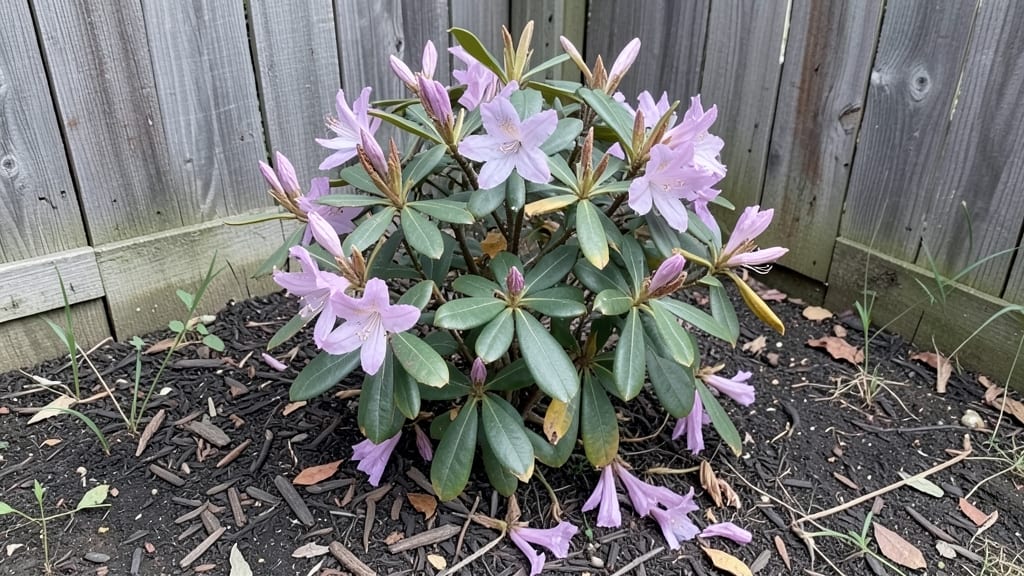
The rhododendron flowering season bursts into bloom at the exact moment your garden needs color most—late winter to early spring—though the timing shifts depending on where you live. 🌸 I’ve watched my own shrubs go from tight buds to vibrant clusters in just two weeks, and the secret isn’t luck but understanding how light, temperature, and variety work together.
Most gardeners assume their rhododendrons will follow the calendar, but zone, elevation, and even last year’s growth can push blooms earlier or later by weeks.
The best time to plan around rhododendron blooms is six weeks before your average last frost date, when buds start swelling. Coastal areas like the Pacific Northwest see flowers as early as February, while inland zones might wait until April.
If your shrubs bloom too late, it’s often because they’re getting too much afternoon sun or not enough winter chill—simple fixes that make all the difference. I once had a late-blooming rhododendron that finally cooperated after I moved it to a spot with morning light and afternoon shade.
Here’s the payoff: when you time it right, your rhododendrons become the first major splash of color in the garden, drawing bees and hummingbirds while your spring bulbs are still fading. The flowers last 3-4 weeks if you deadhead spent blooms and keep the soil moist but not soggy.
Even better, the foliage stays lush year-round, so your shrubs never look out of place. The key is matching your variety to your climate—some, like ‘Anna Rose,’ bloom early, while others like ‘Nova Zembla’ wait until late spring.
This works for both gardeners with established shrubs and those planning new plantings. If you’re in a warm climate where rhododendrons struggle, choose varieties bred for heat tolerance, like ‘PJM’ or ‘Elf.’ And if your blooms are sparse?
It might be time to fertilize in early spring—just don’t overdo it, or you’ll get leaves instead of flowers. Let’s get those timing tricks down so your rhododendrons put on a show every year.
📚 In This Guide
- What you need
- Instructions
- Tips and common mistakes
- Wrapping up and next steps
What you need
- ● Rhododendron plants: 1–3 mature plants (3–5 years old for best blooms)
- ● Varieties: Choose early, mid-, or late-season bloomers (e.g., Rhododendron ‘Catawbiense’ for late spring, ‘PJM’ for mid-season)
- ● Well-draining acidic soil: pH 4.5–6.0 (test kits available at garden centers)
- ● Organic mulch: 2–3 inches of pine bark, wood chips, or leaf mold
- ● Slow-release fertilizer: Acid-loving plant formula (e.g., Miracle-Gro Azalea/Rhododendron, 10-6-4 ratio)
- ● Watering can or hose with adjustable nozzle: For deep, even hydration
- ● Pruning shears: Sharp, sterilized (7–10 inch blades for larger branches)
- ● Garden gloves: Heavy-duty for protection
- ● Soil amendments: Peat moss or sulfur to adjust pH if needed
- ● Mulch rings: To keep mulch contained and tidy
- ● Plant support: Stakes or cages for leggy or large varieties
- ● Liquid bloom booster: Fish emulsion or seaweed extract (apply in early spring)
- ● Weather monitor: Frost cloth or row covers for late-season protection
Step-by-step instructions for maximizing rhododendron blooms
Here's how to time care perfectly for show-stopping blooms year after year.
🌱 Step 1: Prune After Flowering to Encourage Next Year's Buds
Wait until 4-6 weeks after blooms fade before pruning—this gives the plant time to set next year's flower buds. I always use clean, sharp pruners to make cuts just above a leaf node or bud. This ensures the plant knows exactly where to focus its energy for next season's growth.
Remove only dead, crossing, or crowded branches. Never cut back more than one-third of the plant's height in a single season. You'll see new growth emerge within 2-3 weeks if you've pruned at the right time. This is the moment that matters: proper pruning now means bigger blooms next spring.
💧 Step 2: Water Deeply During Bud Formation
Start increasing watering 6-8 weeks before your area's first frost—this is when flower buds begin forming. Water deeply 1-2 times per week until the soil feels moist 6 inches down. I use a moisture meter to check because rhododendrons hate soggy roots but need consistent moisture during bud development.
Mulch with 2-3 inches of organic mulch (like pine bark) to retain moisture and protect roots from temperature swings. The mulch should extend 3 inches out from the plant's drip line. You'll notice leaves stay deeper green and buds form more vigorously when moisture levels stay steady.
☀️ Step 3: Provide Gradual Light Adjustments in Early Spring
Move potted rhododendrons to their final spring location 2-3 weeks before last frost to harden them off. For in-ground plants, gradually increase sunlight exposure by 1-2 hours daily over 7-10 days if they've spent winter in partial shade. Sudden full sun burns tender new growth.
Watch for first flush of new leaves—this is your signal to stop gradual exposure. Place plants where they'll get morning sun and afternoon shade (especially in hot climates). You'll see buds swell and open more fully when light transitions are gentle.
✂️ Step 4: Fertilize at the Right Time for Maximum Impact
Apply acid-loving plant fertilizer in early spring when new growth appears but before buds open. I use a slow-release formula with 10-10-10 NPK ratio spread evenly over the root zone. Water thoroughly after application to prevent root burn.
Skip fall fertilization—it encourages tender growth that won't survive winter. Instead, add a 2-inch layer of compost in late fall to feed roots gradually. You'll notice stems thicken and buds form earlier when nutrients are available at the right time.
⏰ Step 5: Protect Buds During Late Winter Thaw-Freeze Cycles
Cover plants with burlap or frost cloth when temperatures dip below 25°F during bud swell (typically 4-6 weeks before bloom time). Secure edges well to prevent wind damage. This protects delicate buds from freeze-thaw cycles that cause them to split or drop.
Remove covers during the day if temperatures rise above 40°F to prevent overheating. You'll see buds remain intact and open more uniformly when protected from temperature swings. This is the final touch that ensures your rhododendrons put on their best show.
Tips & tricks for perfect rhododendron flowering season
These simple timing tricks will help you avoid common mistakes and maximize your rhododendron's blooming potential.
Pruning Precision: The 4-6 week window after blooms fade is critical for next year's buds. I've learned the hard way that pruning too early can remove flower buds before they form. When making cuts, look for the small bump just above a leaf node—this is where new growth will emerge. If you're unsure, wait an extra week. You'll see those new shoots appear within 2-3 weeks if you've timed it right.
Watering Wisdom: During that 6-8 week period before frost, aim for consistent moisture 6 inches down. I use a moisture meter to avoid overwatering—rhododendrons hate soggy roots. A good rule of thumb is to water when the top inch of soil feels dry. The 2-3 inches of mulch will help maintain that moisture, but check regularly during dry spells. You'll notice deeper green leaves and more vigorous bud formation when moisture levels stay steady.
Light Transition Strategy: That gradual 1-2 hour daily increase over 7-10 days is crucial for potted plants. I've seen tender new growth get sunburned when moved too quickly. For in-ground plants, watch for that first flush of new leaves—it's your signal to stop gradual exposure. Morning sun and afternoon shade is ideal, especially in hotter climates. You'll see buds swell more fully when light transitions are gentle.
Frost Protection: When temperatures dip below 25°F during bud swell, cover plants immediately. I use burlap secured with landscape pins to prevent wind damage. Remember to remove covers when temperatures rise above 40°F to avoid overheating. This protection ensures buds remain intact and open more uniformly. The 4-6 week window before bloom time is when these freeze-thaw cycles can cause the most damage.
Pro Tips for Rhododendron Flowering Season
- These simple timing tricks will help you avoid common mistakes and maximize your rhododendron's blooming potential.
- Pruning Precision: The 4-6 week window after blooms fade is critical for next year's buds.
- Watering Wisdom: During that 6-8 week period before frost, aim for consistent moisture 6 inches down.
Frequently asked questions
Got questions about timing, care, or troubleshooting your rhododendrons? Here’s what you need to know to keep those vibrant blooms coming back year after year!
When is the best time to plant rhododendrons for spring blooms?
Plant rhododendrons in early fall (September–October) or late winter (February–March) in cooler climates. This gives roots time to establish before the flowering season. Avoid planting in summer heat or freezing winter—roots need moderate temps to thrive. Pro tip: Amend soil with organic matter like compost to improve drainage.
Why aren’t my rhododendrons blooming this year?
Common culprits include over-fertilizing (too much nitrogen = leafy growth, fewer flowers), poor sunlight (they need partial shade), or stress from transplant shock. Check soil pH too—ideal is 4.5–6.0. If buds form but drop, it could be late frost damage or drought stress.
Can I force rhododendrons to bloom earlier or later?
No, you can’t force blooms, but you can optimize timing. For later blooms, prune right after flowering (never in fall/winter). To encourage healthier buds, mulch heavily in winter (3–4 inches) and water deeply in late fall. Note: Over-pruning or heavy summer trimming can delay next year’s flowers.
What’s a good alternative if my rhododendron blooms are sparse?
Try these low-maintenance, long-blooming alternatives:
All prefer acidic soil like rhododendrons! Use frost cloth or row covers when night temps drop below 32°F (0°C). Water buds lightly before frost—ice crystals can pop them. Avoid overhead watering before frost, as wet buds freeze easier. Pro move: Plant near a south-facing wall to trap heat.
How do I protect rhododendron buds from late frost?
Issue
Quick Fix
Yellow leaves
Check soil pH (too alkaline?) or overwatering.
No buds forming
Feed with high-phosphorus fertilizer (like 10-20-10) in early spring.
Pests (tent caterpillars)
Spray with neem oil or handpick larvae.
Wrapping up and next steps
Ready to transform your garden into a vibrant rhododendron paradise? 🌸 The secret to consistent, show-stopping blooms lies in understanding the right timing, soil prep, and care—whether you’re a seasoned gardener or just starting out. With these timing tricks, you’ll unlock lush, long-lasting flowers year after year.
Now’s the perfect time to plan your next steps! Start by marking your calendar for early spring pruning and soil amendments. Then, keep an eye on your plants’ progress—adjust care as needed—and soon, you’ll be the envy of the neighborhood with your stunning rhododendron displays. Happy gardening! 🌿