
Blooming
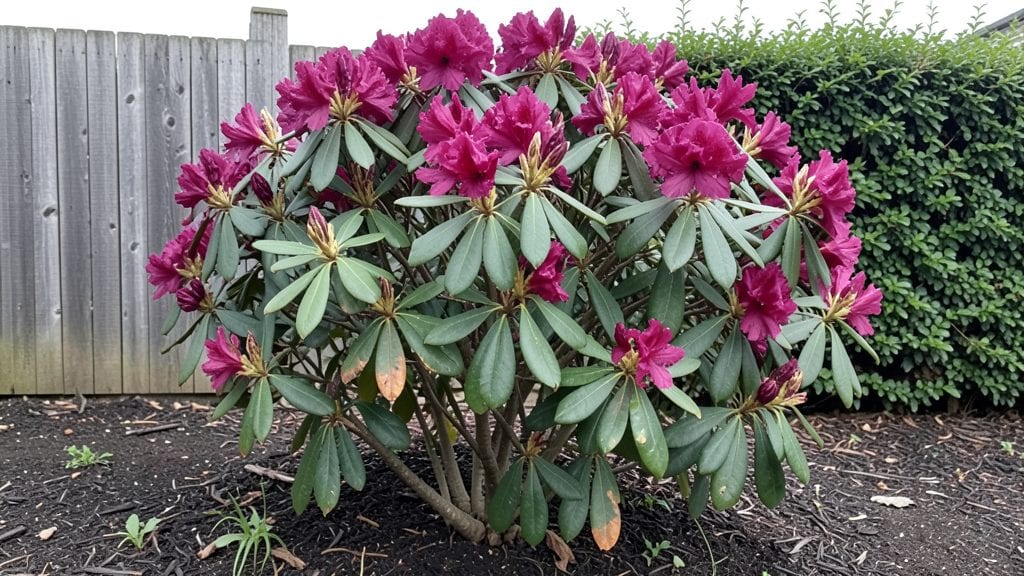
The rhododendron flower time arrives with dazzling splashes of color—typically between late April and early June, though exact timing varies wildly by variety and climate. 🌸 I’ve watched my own ‘Nova Zembla’ burst into bloom in early May while neighbors’ ‘Catawbiense’ linger until June, proving no two rhododendrons keep the same schedule.
The secret to predicting their show lies in knowing your specific cultivar and local frost dates.
Northern gardeners often see blooms stretch from May through July, while Southern plants may flower as early as March. Humidity, sunlight exposure, and winter chill hours all play roles—some varieties need 500+ hours below 45°F to set buds properly.
Pruning after blooming keeps plants tidy, but timing matters: cut too early, and you sacrifice next year’s flowers.
You’ll notice buds swell in late winter, then unfurl in waves over weeks—not all at once. A well-timed pruning calendar means you’ll catch the peak display without missing a single blossom.
The payoff? Rhododendrons that reward you with 3-4 weeks of vibrant color, attracting hummingbirds and filling your yard with fragrance.
Regional tweaks matter: Pacific Northwest gardeners enjoy early blooms, while Midwestern growers might see delays until after the last frost. The key is observing your own plants year after year—because every rhododendron has its own rhythm. Let’s get your pruning calendar dialed in for next season’s best show.
📚 In This Guide
- What you need
- Instructions
- Tips and common mistakes
- Wrapping up and next steps
What you need
- ● Pruning shears: Bypass pruners (sharp, clean, and sterilized with rubbing alcohol) for small branches.
- ● Loppers: For thicker stems (1–2 inches in diameter). Look for bypass-style loppers for precision cuts.
- ● Hand pruners: Anvil-style (for tougher jobs) or bypass (for cleaner cuts). Size: 5–7 inches.
- ● Gloves: Heavy-duty gardening gloves (cut-resistant for safety). Quantity: 1 pair.
- ● Disinfectant: 70% isopropyl alcohol or a gardening-specific disinfectant (to prevent disease spread).
- ○ Pruning sealant (optional but helpful): For large cuts (e.g., Tree Seal or pruning wax).
- ● Bucket or bag: For collecting clippings (5-gallon size recommended).
- ● Marking twine or flags: To tag branches for future reference (if needed).
- ● Ladder or step stool: For reaching higher branches (ensure it’s stable and non-slip).
- ● Extension pole pruners: For tall rhododendrons (10–15 feet).
- ● Garden hose or spray bottle: To rinse tools between cuts (prevents sap buildup).
- ● Notebook or app: To log pruning dates, weather notes, or plant responses (e.g., Gardenate or Google Keep).
- ● Weather check: Prune on a dry, overcast day (avoid midday heat or rain).
- ● Plant health: Ensure rhododendrons are fully hydrated (water 1–2 days before pruning).
- ● Safety first: Wear long sleeves and closed-toe shoes to avoid scratches or thorns.
- ● Know your rhododendron: Identify if it’s an early, mid-, or late-season bloomer (bloom time dictates pruning timing!).
Step-by-Step pruning calendar for rhododendron flower time
Timing is everything with rhododendrons—prune at the wrong moment, and you'll sacrifice next year's blooms.
⏰ Step 1: Immediately After Flowering (Late Spring)
This is your first critical window. As soon as 75-80% of blooms have faded—typically 4-6 weeks after peak flowering—grab your pruners and remove any spent flower clusters (called "trusses"). These clusters contain next year's flower buds, so don't cut them off too soon.
Focus on shaping the plant lightly by trimming back any leggy growth that's stretching beyond the natural form. Use clean, sharp pruners to make cuts at a 45-degree angle just above a leaf node. Avoid heavy pruning now—you're just tidying up and encouraging airflow to prevent fungal issues.
🌿 Step 2: Mid-Summer (July-August)
Now's the time to remove any dead, diseased, or crossing branches that are crowding the center. Look for branches that are thinner than a pencil or showing signs of brown, crispy edges—these are candidates for removal. Cut these back to the main stem or a healthy lateral branch.
This light pruning stimulates new growth and keeps your rhododendron's energy focused on developing strong stems for next season's blooms. Avoid pruning more than 20% of the plant's total foliage—rhododendrons are sensitive to aggressive summer cuts and may stress.
✂️ Step 3: Late Fall (October-November)
Your final pruning window before winter arrives. Remove any remaining dead or weak growth, but resist the urge to shape aggressively. The goal now is to prepare the plant for dormancy by removing anything that could harbor pests or diseases over winter.
Focus on thinning out the center to improve light penetration and air circulation. Make cuts just above a leaf node or outward-facing bud to encourage outward growth. Avoid pruning after mid-November—new growth stimulated by late cuts won't harden off before winter and may freeze.
🌱 Step 4: Early Spring (March-April)
This is your final check before the growing season kicks into gear. Remove any winter-damaged branches that are completely brown and brittle. Look for signs of bud swell—when you see these, hold off on any major pruning as the flower buds are already forming.
Lightly shape the plant by trimming back any growth that's become too dense. The key here is to maintain the natural shape while encouraging strong new growth. Apply a 2-3 inch layer of mulch around the base after pruning to protect roots and retain moisture as temperatures rise.
Tips & tricks for perfect rhododendron pruning
Mastering the art of rhododendron pruning takes patience—and knowing these key strategies will help you avoid common mistakes that could compromise next season's spectacular blooms.
Timing is Everything: The 4-6 week window after peak flowering (Step 1) is your golden opportunity to shape without harming next year's buds. I always mark my calendar for this period because missing it means sacrificing future blooms. Use a plant journal to track when your specific rhododendron variety flowers—some bloom earlier than others, and this affects your timing.
Pruning Technique Matters: That 45-degree angle cut just above a leaf node (Step 1) isn't just aesthetic—it's crucial for directing energy to new growth. I learned this the hard way after seeing new shoots emerge from awkward cuts. For thicker branches, make the cut just outside the branch collar where it meets the main stem. This prevents wound exposure and promotes faster healing.
Summer Pruning Strategy: The 20% foliage limit in Step 2 is non-negotiable—rhododendrons are sensitive to summer stress. I always work on cloudy days to reduce heat stress on the plant. When removing branches thinner than a pencil, cut back to the main stem rather than making random cuts. This maintains the plant's natural structure while encouraging bushier growth.
Fall Preparation: The mid-November deadline in Step 3 is critical—any new growth after this won't harden off before winter. I make a habit of checking my rhododendrons one last time before Thanksgiving to ensure I haven't missed any dead branches. Focus on creating an open center rather than shaping aggressively. This improves airflow and reduces disease risk during winter dormancy.
Pro Tips for Rhododendron Flower Time
- Mastering the art of rhododendron pruning takes patience—and knowing these key strategies will help you avoid common mistakes that could compromise next season's spectacular blooms.
- Timing is Everything: The 4-6 week window after peak flowering (Step 1) is your golden opportunity to shape without harming next year's buds.
- Pruning Technique Matters: That 45-degree angle cut just above a leaf node (Step 1) isn't just aesthetic—it's crucial for directing energy to new growth.
Frequently asked questions
Got questions about getting the most out of your rhododendron’s flower time? Here are some of the most common concerns—and their answers—to help you keep your shrubs thriving and blooming beautifully!
When is the best time to prune rhododendrons for blooms?
Prune after flowering—typically between late May and early July—to avoid cutting off next year’s buds. Never prune in fall or winter, as this can damage tender new growth. Pro tip: Deadhead spent blooms in early summer to encourage a second flush!
Why aren’t my rhododendrons blooming this year?
Lack of blooms often stems from over-pruning, poor sunlight (they love partial shade), or nutrient deficiencies. Check soil pH (ideal: 4.5–6.0) and fertilize with acid-loving plant food in early spring. If roots are bound, gently loosen soil to boost growth.
Do rhododendrons need special care during their flower time?
Yes! During bloom season, keep soil consistently moist (but not soggy) and mulch to retain humidity. Avoid heavy fertilizers—stick to balanced, slow-release options. If buds form but drop, it could signal late frost or drought stress.
Can I prune rhododendrons in fall for next year’s blooms?
No—fall pruning is a big no! Rhododendrons set flower buds in late summer/early fall, so cutting back now removes next year’s blooms. Wait until after they finish flowering in spring/summer. Quick fix: Lightly shape in late summer only if needed!
What’s a good alternative if my rhododendron isn’t thriving?
If your rhododendron struggles with pests (like lace bugs), disease, or poor soil, consider hardy alternatives like azaleas (similar care), camellias (for milder climates), or pieris (evergreen with spring blooms). All love acidic soil and partial shade!
Wrapping up and next steps
Watching your rhododendrons burst into vibrant bloom is one of gardening’s sweetest rewards! By following this pruning calendar and timing your cuts to their natural cycle, you’ll ensure stunning seasonal displays year after year. 🌸 Now’s the perfect time to grab those shears, mark your calendar, and give your plants the care they deserve—your future blooms will thank you!
Ready to take it further? Try experimenting with a few extra plants—mix colors, heights, or even varieties for a showstopping garden masterpiece! 🌿