
Flowers
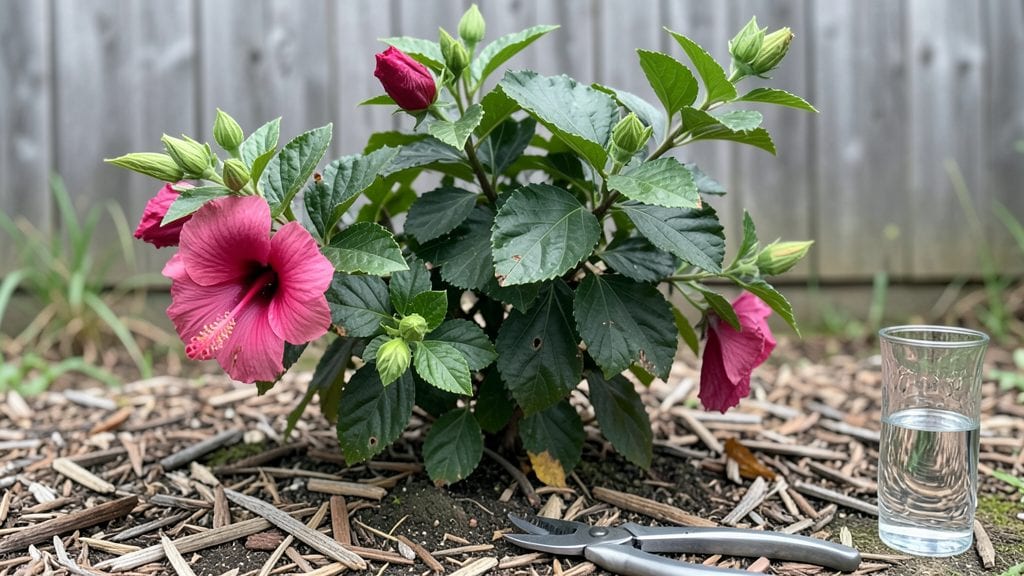
Cut hibiscus flowers that last for days in a vase—it’s all about the right timing and technique. 🌸 I’ve grown hibiscus for cut flowers for years, and the key is treating them like the high-maintenance divas they are: prune at the right time, harvest when they’re just right, and they’ll reward you with bold, velvety blooms that outshine store-bought bouquets.
The right varieties make all the difference: tropical hibiscus like ‘Dwarf Red’ or ‘Pink Giant’ are perfect for cut flowers because they bloom prolifically and hold up well in arrangements.
You’ll need sharp pruners, a spray bottle for humidity, and a sunny spot with at least 6 hours of direct light daily—no shortcuts here. The payoff? Flowers that stay fresh for 7-10 days in water, with petals that don’t wilt or droop like cheap grocery store blooms.
Pruning isn’t just about shaping the plant—it’s about forcing more blooms. Cut back leggy branches in early spring to encourage bushier growth, then deadhead spent flowers regularly to keep the plant producing.
Harvest in the morning when buds are just opening, and always cut at a 45-degree angle to maximize water uptake. The result? A steady stream of vibrant, dinner-plate-sized blooms that make every vase arrangement feel like a luxury.
Even the fussiest hibiscus can be tamed with the right care. Watch for aphids on new growth and spider mites in dry heat—both love hibiscus as much as you do. A weekly misting keeps them at bay, and a balanced fertilizer every 4-6 weeks ensures those blooms keep coming.
With this method, you’ll have cut flowers that look like they came from a florist—without the price tag.
📚 In This Guide
- What you need
- Instructions
- Tips and common mistakes
- Wrapping up and next steps
What you need
- ● Hibiscus plants: Mature, healthy plants (preferably Hibiscus rosa-sinensis or Hibiscus syriacus) with fully open blooms and 2-3 inches of stem.
- ● Sharp pruning shears or floral knives: Clean, sterilized tools (avoid dull scissors—they crush stems!).
- ● Bucket or vase: A clean container filled with lukewarm water (1 gallon for ~10 stems).
- ● Floral preservative: 1 packet (or 1 tsp sugar + 1 tsp bleach per quart of water for DIY solution).
- ● Newspaper or damp towel: To protect surfaces while cutting.
- ● Floral foam: For arranging in vases or bouquets (cut to fit your container).
- ● Sharpie or floral tape: To label stems by variety or harvest date.
- ● Hibiscus-specific fertilizer: A diluted dose (per label) to refresh water every 2–3 days.
- ● Clear vase or jar: To showcase the vibrant blooms (bonus: adds a modern touch!).
How to harvest hibiscus blooms for long-lasting cut flowers
Here's how I turn garden hibiscus into stunning, vase-worthy blooms that last for days.
✂️ Step 1: Choose the Right Blooms at Peak Freshness
Select blooms that are fully open but still firm, with petals just beginning to show color. Overripe flowers with curled edges or brown spots won't last long in arrangements. I look for buds that are about 75% open—these will fully bloom after cutting and hold their shape longer.
Harvest in the early morning when stems are hydrated and temperatures are cool. Use sharp, clean pruning shears to make a clean cut at a 45-degree angle about 2 inches below the bloom. This angle increases water uptake and prevents air bubbles that can block stems.
💧 Step 2: Prepare Stems for Maximum Vase Life
Immediately after cutting, place stems in a bucket of lukewarm water for 30 minutes to hydrate. This step is crucial—it helps rehydrate stems that may have been slightly dehydrated overnight. I add a few drops of bleach or a commercial flower food to the water to prevent bacterial growth.
Trim stems again under water to remove any air pockets that may have formed during the initial cut. You'll see tiny bubbles escape as the stem is recut—this ensures maximum water absorption. Remove any leaves that will sit below the waterline in your vase to prevent rot.
☀️ Step 3: Create the Ideal Vase Setup
Fill a clean vase with room-temperature water and add 1 teaspoon of sugar and 1/4 teaspoon of bleach per quart of water. The sugar provides energy for the blooms, while the bleach keeps water clean. Arrange stems so they're evenly spaced—crowding causes competition for water and shortens vase life.
Change the water every 2-3 days and trim stems by 1/2 inch each time to encourage fresh water uptake. Keep the vase in a spot with bright, indirect light—direct sunlight can cause petals to fade faster. You'll notice blooms holding their color and shape for 5-7 days when done correctly.
🌿 Step 4: Extend Blooms with Simple Care
Mist blooms lightly with water daily to maintain freshness, especially in dry indoor air. Hibiscus petals are delicate—avoid placing them near heat sources or drafts, which cause them to drop prematurely. If petals begin to wilt, place the vase in a cool, shaded area for 1-2 hours to revive them.
For extra-long vase life, add a fresh cut to stems every 3-4 days and refresh the water with the sugar-bleach mixture. You'll see new buds opening on the stems, extending the display by another 2-3 days. This simple routine keeps hibiscus looking fresh for nearly 2 weeks.
Tips & tricks for perfect hibiscus cut flowers
A few simple secrets can transform your garden hibiscus into showstopping arrangements that last for weeks. Here's how to get the most out of every bloom.
The 75% Rule: I can't stress enough how important it is to harvest hibiscus at exactly 75% bloom. That's when petals are just beginning to unfurl but still firm to the touch. Overripe flowers with curled edges will wilt within 24 hours, while completely closed buds may never fully open after cutting. Trust me on this—this small detail makes all the difference in vase life.
Angle Matters: When you make that initial cut at a 45-degree angle about 2 inches below the bloom, you're doing more than just creating a clean cut. This angle increases the surface area for water absorption, which is crucial for long-lasting stems. I've tried straight cuts before, and the blooms simply didn't last as long. The angled cut also prevents air bubbles that can block water uptake entirely.
Hydration Hack: That 30-minute lukewarm water soak in Step 2 is non-negotiable. Cold water can shock the stems, while hot water can cook them. The lukewarm temperature opens the stem cells just enough to absorb maximum water. Pro tip: Add a few drops of bleach or commercial flower food to this initial water bath—it prevents bacterial growth that can shorten vase life dramatically.
Lighting Secret: While bright indirect light is ideal for displaying your hibiscus, here's what nobody tells you: these tropical beauties actually benefit from 12 hours of darkness each night. If you notice petals drooping or wilting faster than expected, check your display location. Hibiscus need this rest period to maintain their vibrant color and structural integrity.
Pro Tips for Hibiscus Cut Flowers
- A few simple secrets can transform your garden hibiscus into showstopping arrangements that last for weeks.
- The 75% Rule: I can't stress enough how important it is to harvest hibiscus at exactly 75% bloom.
- Angle Matters: When you make that initial cut at a 45-degree angle about 2 inches below the bloom, you're doing more than just creating a clean cut.
Frequently asked questions
Got questions about keeping your hibiscus cut flowers fresh and stunning? You’re not alone—these tropical beauties are a favorite but come with their own quirks! Here’s what readers ask most often:
How long do hibiscus cut flowers last in a vase?
With proper care, hibiscus cut flowers typically last 7 to 10 days in a vase. Their thick, waxy petals resist wilting, but recutting stems every 2–3 days and changing water every 2 days maximizes their lifespan. For extra longevity, add a splash of bleach (1 tsp per quart of water) or floral preservative.
When is the best time to harvest hibiscus flowers for cutting?
Harvest hibiscus blooms in the early morning when petals are fully open but still firm. Avoid overripe flowers—they wilt faster. Cut stems at a 45-degree angle just above a leaf node (where leaves grow) to encourage new growth. Timing matters: mid-morning to early afternoon is ideal for arranging.
Do hibiscus flowers need special water treatment?
Yes! Hibiscus stems are porous and can clog quickly. Use lukewarm water (not cold) and add a floral preservative or a mix of 1 part bleach to 10 parts water to prevent bacteria. Trim stems under water to avoid air bubbles blocking uptake. Change water every 2–3 days for crisp blooms.
Can I mix hibiscus cut flowers with other flowers?
Hibiscus pairs beautifully with eucalyptus, roses, or tropical foliage like bird-of-paradise. Avoid pairing with heavy-headed flowers (like sunflowers) that can weigh down their delicate stems. For bouquets, use a sturdy floral foam or a heavy vase to support their weight.
Why are my hibiscus cut flowers drooping or wilting fast?
Drooping hibiscus usually signals thirst, clogged stems, or ethylene gas (from nearby fruit or overripe blooms). Fix it by:
- Recutting stems and refreshing water immediately.
- Removing any wilted petals or leaves touching water.
- Avoiding placing them near bananas, apples, or other ethylene-producing plants.
Wrapping up and next steps
Hibiscus cut flowers bring vibrant color, elegance, and longevity to any space—whether your garden or a stunning bouquet! 🌺 With the right pruning techniques and care, you can enjoy their striking blooms for weeks while keeping your plants thriving.
Whether you're a seasoned gardener or just starting, these tips make the process simple and rewarding.
Ready to elevate your floral game? Grab your pruners, pick your favorite hibiscus variety, and start clipping with confidence! Your future bouquets—and happy plants—will thank you.