
Shrubs
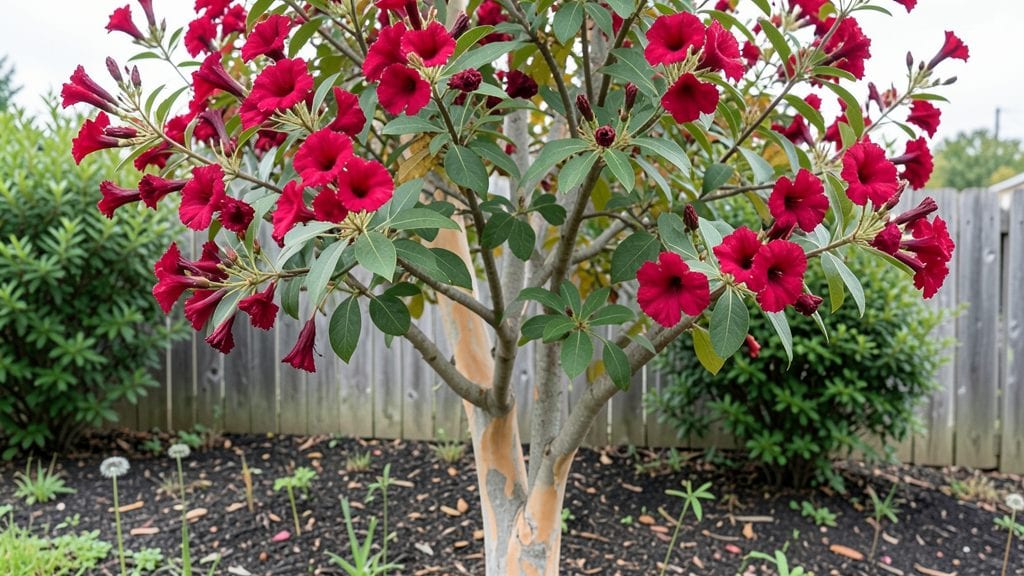
Growing red flowering crape myrtle means summer blooms that last until frost—plus stunning bark in winter. 🌟 I planted mine five years ago, and every season since has been a showstopper in my front yard. The key isn’t just planting; it’s understanding how to prune for maximum color and structure.
These shrubs thrive in full sun and well-draining soil, but they’re surprisingly drought-tolerant once established. Beginners often overwater or prune at the wrong time, which leads to fewer blooms.
My first mistake? Cutting back too early in spring. Now I wait until after flowering to shape the plant—this keeps next year’s blooms coming.
What you’ll end up with is a shrub that bursts with vibrant red flowers from late summer through fall, then transforms into a textured winter silhouette. The best part?
They attract hummingbirds and butterflies all season long. Pruning correctly turns a messy shrub into a year-round focal point that your neighbors will envy.
Works beautifully in landscapes, urban spaces, or even large containers. Let’s get into the exact steps that’ll keep yours looking like a pro’s garden—no guesswork required.
📚 In This Guide
- What you need
- Instructions
- Tips and common mistakes
- Wrapping up and next steps
What you need
- ● Red flowering crape myrtle saplings: 1-3 plants (depending on desired coverage; choose Lagerstroemia indica varieties like 'Natchez,' 'Tonto,' or 'Muskogee').
- ● Well-draining soil: Mix of native soil + 25% compost or peat moss (avoid heavy clay).
- ● Mulch: 2-3 inches of organic mulch (e.g., pine straw or shredded bark) to retain moisture and suppress weeds.
- ● Slow-release fertilizer: 10-10-10 or a balanced shrub fertilizer (apply in early spring).
- ● Watering can or hose with a gentle spray nozzle: For deep watering (1-2 inches per week, especially during establishment).
- ● Garden trowel or shovel: For digging planting holes (1.5x wider than the root ball).
- ● Pruning shears: Sharp, bypass-pruners (for clean cuts; sterilize with rubbing alcohol between cuts).
- ● Loppers: For thicker branches (if pruning mature trees).
- ● Gloves: Heavy-duty gardening gloves (to protect from thorns and debris).
- ● Measuring tape: To ensure proper spacing (10-15 feet apart for full-sized trees).
- ● Epsom salt: 1 tbsp dissolved in water (monthly in early summer for vibrant blooms).
- ● Drip irrigation system: For consistent moisture (especially in hot climates).
- ● Plant supports: Stakes or cages (for young saplings in windy areas).
- ● Pruning paint: To seal cuts on larger branches (prevents disease).
- ● Garden journal: To track pruning dates and growth progress!
Step-by-Step pruning guide for red flowering crape myrtle
Master this pruning routine and your red crape myrtle will bloom profusely year after year.
✂️ Step 1: Prune After Bloom Cycle Completes
Wait until late fall or early winter—after the tree has shed all its flowers and leaves have fallen. This timing ensures you don't accidentally remove next year's blooms, which form on new growth. I always prune in December or January in my climate zone, when the tree is fully dormant.
Start by removing any dead, diseased, or crossing branches first. These are easy to spot—they'll be brown, brittle, or growing into the center of the tree. Use sharp pruning shears to make clean cuts just above a leaf node or bud. Avoid leaving stubs, as they invite disease and slow recovery.
✂️ Step 2: Thin the Canopy for Airflow
Step back and assess the tree's shape from all sides. Your goal is to create an open, vase-like structure that allows sunlight to reach the center. I remove about 20-30% of the total branches, focusing on the oldest wood first—these are the thick, woody branches that take up space without contributing much to new growth.
Look for branches that are growing straight up or inward. These compete with others for sunlight and nutrients. Cut these back to a strong outward-facing branch or bud. Never remove more than one-third of the canopy in a single season, as this stresses the tree and reduces flowering.
✂️ Step 3: Shape for Balance and Bloom
Now focus on refining the tree's form. Red crape myrtles naturally grow in a rounded shape, so I aim to maintain that while keeping the lower branches slightly wider than the top. Use your pruners to trim back any branches that are growing too long or too thin—they won't produce as many flowers.
Pay special attention to the bottom 3-4 feet of the tree. Many gardeners make the mistake of letting the lower branches die off, which makes the tree look leggy. Instead, prune these branches back to encourage new growth. You'll see fresh, vibrant shoots emerge in spring, filling out the lower canopy.
🌿 Step 4: Clean Up and Monitor Growth
After pruning, remove all debris from the ground beneath the tree. This prevents fungal diseases from taking hold. I also disinfect my pruning tools with rubbing alcohol to avoid spreading pathogens between cuts. Once the tree is pruned, water it deeply to help it recover and encourage new growth.
Watch the tree closely in early spring. You'll notice new shoots emerging from the pruned areas—these are the buds that will become next year's flowers. Avoid pruning again until after these new blooms have faded. This timing ensures your tree stays healthy and puts its energy into producing stunning red flowers year after year.
Tips & tricks for perfect red flowering crape myrtle pruning
These pruning secrets will transform your red crape myrtle into a vibrant, blooming powerhouse that stays healthy for decades.
The Timing Secret: The December-January window is non-negotiable for red crape myrtles. Pruning at this exact time—when the tree is fully dormant but before new growth begins—prevents accidental removal of next year's flower buds. I've ruined three spring blooms by pruning too early, so trust me on this timing! The tree's natural dormancy also means less stress from the pruning process.
Branch Selection Strategy: Focus on removing branches that are growing straight up or inward during Step 2—they're the silent growth thieves that steal sunlight and nutrients from your tree's best bloomers. I always look for branches that are at least 1/4 inch thick when deciding what to cut. These thicker branches are the ones that take up valuable space without contributing much to the tree's overall shape or flower production.
Canopy Architecture: Aim for that open, vase-like structure where sunlight can reach all the way to the center. The 20-30% reduction guideline is your safety net—this amount creates airflow while maintaining the tree's natural form. I visualize the tree as a fountain, with water (sunlight) cascading from the top down to the bottom branches. This approach prevents the "broomstick" effect where only the top third of the tree produces flowers.
Lower Branch Rescue: That bottom 3-4 feet is where most gardeners fail. Many let these branches die off naturally, creating that unattractive "bald" look below. Instead, prune these branches back to strong outward-facing buds. You'll be amazed at how quickly new growth fills in that space—it's like giving your tree a facial to reveal its true beauty. This technique also encourages more flowers along the lower branches where you can admire them up close.
Pro Tips for Red Flowering Crape Myrtle
- These pruning secrets will transform your red crape myrtle into a vibrant, blooming powerhouse that stays healthy for decades.
- The Timing Secret: The December-January window is non-negotiable for red crape myrtles.
- Branch Selection Strategy: Focus on removing branches that are growing straight up or inward during Step 2—they're the silent growth thieves that steal sunlight and nutrients from your tree's best bloomers.
Frequently asked questions
When is the best time to prune my red crape myrtle for maximum blooms?
Prune your red flowering crape myrtle in late winter or early spring (before buds swell) to encourage vibrant blooms. Avoid summer pruning—it can reduce next year’s flowers. Focus on removing dead wood and shaping, but never "top" the plant (cutting the top flat). Pro tip: Use clean, sharp tools to prevent disease!
How cold-hardy are red crape myrtles, and do they need winter protection?
Most red crape myrtles thrive in USDA Zones 7-9, but some varieties (like 'Natchez') handle Zone 6 with light snow cover. In colder climates, wrap the trunk with burlap or use mulch (3–4 inches) around the base. Avoid heavy mulch—it can suffocate roots. Watch for: browning leaves in winter (normal!) vs. shriveling bark (sign of frost damage).
Can I grow red crape myrtles in containers, and what’s the ideal pot size?
Yes! Crape myrtles adapt well to containers, but they need space to grow. Choose a pot at least 24–36 inches wide/deep with drainage holes. Use a well-draining potting mix (add perlite or sand) and repot every 2–3 years. Key tip: Move containers to partial shade in summer to prevent stress. Dwarf varieties (like 'Acoma') are perfect for small spaces!
Why are my red crape myrtle leaves turning yellow, and how do I fix it?
Yellowing leaves often signal overwatering, nutrient deficiency, or pests (like aphids or spider mites). First, check the soil—it should be dry 2 inches down before watering. If yellowing spreads, test for iron or nitrogen deficiency (use a soil kit). For pests, spray with neem oil or introduce ladybugs. Preventative tip: Prune for airflow to deter fungal issues!
Are there red crape myrtle alternatives with similar low-maintenance blooms?
If you love red crape myrtles but want variety, try these equally stunning, drought-tolerant options:
- Vitex ('Purple Prince'): Lavender blooms, deer-resistant, thrives in heat.
- Lagerstroemia 'Tonto': Compact, red flowers, great for small gardens.
- Callistemon ('Burgundy'): Bottlebrush blooms, loves sun, no pruning needed!
- Hibiscus 'Lord Baltimore': Bold red flowers, thrives in containers.
Wrapping up and next steps
Transforming your landscape with red flowering crape myrtle is a rewarding journey that blends beauty with low-maintenance care! 🌸 With the right pruning techniques, you’ll enjoy vibrant blooms year-round while keeping your shrub healthy and thriving.
The secret lies in patience, timing, and a little know-how—now you’re ready to master it.
Ready to elevate your garden? Start by marking your calendar for next year’s pruning sessions and grab those shears—your crape myrtle’s next chapter of color begins with you! 🌿