Flowers
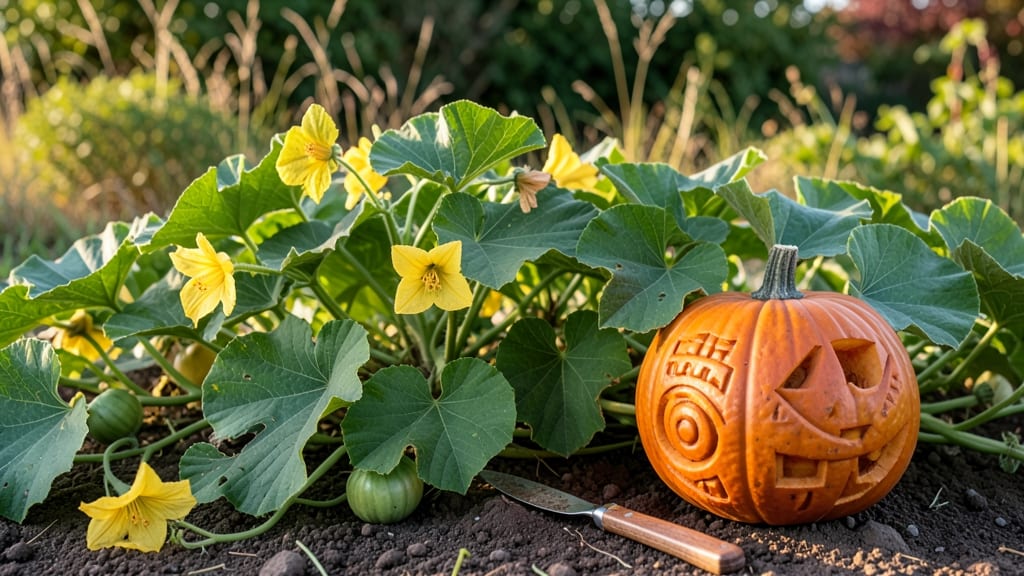
Creating pumpkin carving flowers transforms ordinary gourds into breathtaking autumn centerpieces. Begin with a floral stencil, use a sharp serrated knife for precise cuts, and scoop out excess pulp before adding intricate details. Opt for thick-shelled varieties like Sugar Pie for longer-lasting carvings, and always work in natural daylight to maintain accuracy.
Carving flowers on pumpkins isn't just about aesthetics—it's a craft that combines patience with seasonal creativity. 🌸 The key lies in selecting pumpkins with thick, even walls (at least 1/2-inch thick) to prevent collapsing while carving delicate petals.
I recommend starting with simple rosettes before attempting complex blooms like peonies or hydrangeas, as mastering basic shapes builds confidence for advanced techniques. Many beginners underestimate how much time the prep work takes, so I always suggest practicing on smaller pumpkins first to refine your hand control.
For those aiming for professional-level results, investing in a coping saw and veining tools makes all the difference in achieving crisp lines and realistic textures. The secret to longevity?
Seal your finished carving with a thin layer of clear acrylic spray to protect it from moisture and wind—this simple step can extend your pumpkin's display life from weeks to months.
💡 In This Article
- Best Pumpkin Varieties for Carving Flowers
- Advanced Flower Carving Techniques for Depth
Best pumpkin varieties for carving flowers
When selecting pumpkins for floral carvings, shell thickness is the most critical factor—Sugar Pie pumpkins lead the pack with walls measuring 1/2 to 3/4 inch thick. This density prevents the delicate petal structures from collapsing under pressure, especially when creating multi-layered blooms like roses or daisies.
The thick rind also resists cracking from temperature fluctuations, which is vital for outdoor displays exposed to autumn's unpredictable weather patterns.
Size matters too: Long Island Cheese pumpkins (typically 8-12 inches in diameter) offer the perfect canvas for medium-sized floral designs, while Cinderella varieties (with their 10-14 inch dimensions) provide extra real estate for elaborate centerpieces.
What most carvers don't realize is that the ideal ripeness window occurs when the pumpkin's stem detaches cleanly—this indicates peak shell hardening. Test by pressing your thumbnail into the rind; if it doesn't puncture easily, it's ready for carving.
For gardeners, selecting pumpkins with minimal blemishes is essential—every imperfection becomes a distraction from your floral art. Store uncarved pumpkins in a cool (50-55°F), dry place with good airflow to prevent rot.
I've found that wrapping the stem with aluminum foil creates a natural seal, extending shelf life by up to 2-3 weeks beyond typical expectations. When shopping, avoid pumpkins with soft spots or mold, as these compromise structural integrity during carving.
The shape of your pumpkin influences design possibilities too. Sugar Pie varieties have a classic rounded form perfect for symmetrical flowers, while Long Island Cheese pumpkins' slightly ribbed texture adds subtle dimension to petal carvings.
Pro tip: Use a measuring tape to verify circumference before purchasing—consistent roundness ensures even stencil placement. For floral arrangements spanning multiple pumpkins, consider Cinderella varieties with their slightly elongated shapes for creating cascading vine patterns.
Here's what to look for when evaluating pumpkins:
- Wall thickness: Minimum 1/2 inch (use a ruler to verify)
- Shell hardness: Press thumbnail—shouldn't puncture easily
- Surface condition: Smooth with minimal scars or cracks
- Stem quality: Dry and detached cleanly (sign of maturity)
Remember that pumpkin flesh composition affects carving too. Varieties with lower moisture content (like Sugar Pie) resist warping better than watery-fleshed types. The science here involves cellulose content—thicker shells have more rigid cell walls that maintain structural integrity during the carving process.
For maximum durability, carve when outdoor temperatures stay above 50°F to prevent premature drying of the pumpkin's outer layer.