Container Gardens
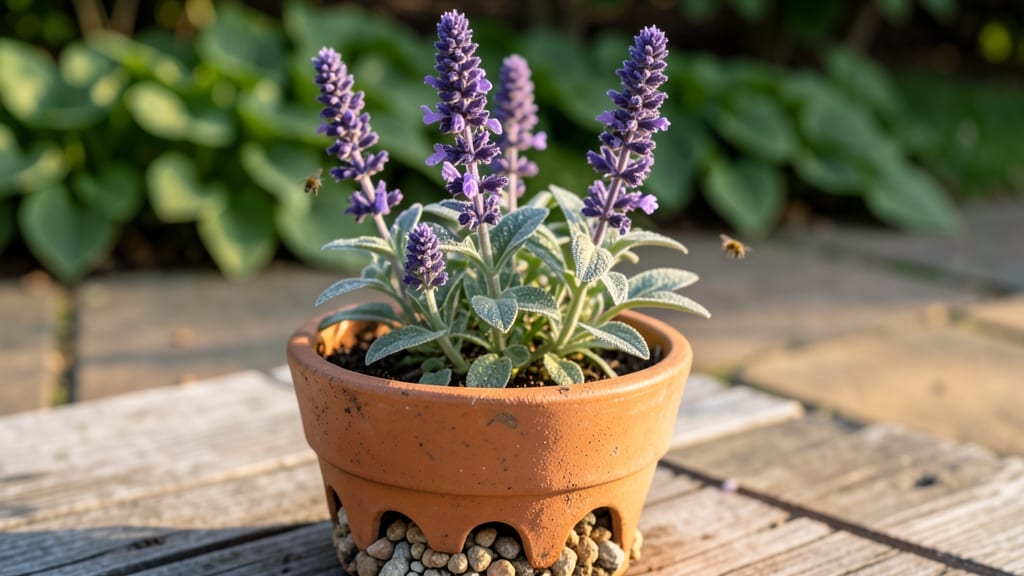
My perennial potted flowers stay vibrant all year without a single deadhead—here’s how. 🌿 The secret lies in choosing the right plants, like heuchera with its velvety leaves or catmint that blooms twice a year. These tough perennials thrive in pots because they’re built for resilience, not just looks.
Start with containers that have drainage holes and fill them with a mix of potting soil and compost. Most perennials need 6 hours of sun but tolerate partial shade, and watering once a week keeps them happy.
The key is picking compact varieties that won’t outgrow their pots in a season.
You’ll end up with pots that burst with color from spring to fall, then stay interesting through winter with dried seed heads or evergreen foliage. No deadheading means less work—and the flowers still look stunning. Plus, these plants come back bigger every year.
Works for balconies, patios, or even sunny windowsills. The same principles apply whether you’re in a hot climate or a cooler zone. Let’s get those pots planted right!
📚 In This Guide
- What you need
- Instructions
- Tips and common mistakes
- Wrapping up and next steps
What you need
- ● Perennial flowers (3–5 varieties): 1–2 Coneflower (Echinacea) (drought-tolerant, pollinator-friendly)
- ● 1 Black-eyed Susan (Rudbeckia) (bright, long-blooming)
- ● 1 Sedum (Stonecrop) (succulent-like, thrives in heat)
- ● 1 Salvia (fragrant, deer-resistant)
- ● 1 Russian Sage (Perovskia) (drought-resistant, silvery foliage)
- ● Container (1–2 per plant): 1 14–18" diameter pot (for 3–5 plants combined)
- ● OR individual 10–12" pots (for modular arrangements)
- ● High-quality potting mix: 1 5-gallon bag (or enough to fill containers to 2/3 capacity)
- ○ Add 20% perlite or pumice for drainage (optional but recommended)
- ● Slow-release fertilizer: 1 10–15 lb. bag (e.g., Osmocote or Espoma)
- ○ Drip irrigation or self-watering system (optional but ideal for perennials)
- ● Pruners or clean shears (for minimal trimming, if needed)
- ● Gloves & knee pads (because gardening is hard work!)
- ● ✅ Sunlight assessment: Ensure your container spot gets 6+ hours of sun (adjust plant selection for shade spots).
- ● ✅ Drainage holes: Containers must have drainage to prevent root rot.
- ● ✅ Seasonal timing: Plant perennials in early spring or fall (avoid summer heat stress).
- ○ ✅ Mulch (optional): 1–2 inches of pine bark or gravel to retain moisture and suppress weeds.
How to grow perennial potted flowers that thrive year after year
Here's the straightforward approach I use to keep potted perennials blooming beautifully without constant deadheading.
🪴 Step 1: Choose the Right Containers and Drainage
Start with containers that are at least 12-14 inches deep—perennials need room for root growth. I prefer terra cotta pots because they breathe and help prevent root rot, but plastic works too if you drill extra drainage holes. Make sure each pot has at least 3-4 drainage holes to prevent waterlogging, which is the #1 killer of potted perennials.
Place a 2-inch layer of gravel or broken pottery in the bottom before adding soil. This creates an air gap that prevents soggy roots. If you skip this, roots will suffocate when water pools at the bottom. I also like to add a layer of orchid bark or perlite on top of the gravel to improve drainage further.
🌱 Step 2: Select and Plant Low-Maintenance Perennials
Pick perennials known for self-cleaning blooms, like coneflowers, black-eyed Susans, or Russian sage. These varieties drop old flowers naturally, so you won’t need to deadhead. Fill the pot with high-quality potting mix mixed with 20% perlite or compost for better drainage and nutrients.
Dig a hole twice as wide as the root ball and place the plant in so the top of the root ball sits ½ inch below the rim. This ensures stability and prevents water from spilling out when you water. Gently firm the soil around the roots, but don’t pack it down—perennials need loose, airy soil to establish strong roots.
☀️ Step 3: Position for Sunlight and Water Correctly
Most perennial flowers need 6+ hours of sunlight daily. Place your pots where they’ll get morning sun and afternoon shade if your climate is hot—this prevents wilting. I rotate my pots a quarter turn weekly so plants grow evenly instead of leaning toward the light.
Water deeply once a week until water runs out the drainage holes. Let the top 2 inches of soil dry out between waterings—overwatering causes root rot, and perennials are tougher than you think. You’ll know it’s time to water when the soil feels dry to touch about 1 inch down.
✂️ Step 4: Prune Once a Year for Long-Term Health
In early spring, cut back any dead or damaged stems to ½ inch above the soil line. This encourages fresh growth and prevents disease. I also trim back any leggy stems to ⅓ of their height—this keeps the plant compact and bushier. Avoid heavy pruning in fall, as perennials need their foliage to store energy for winter.
Fertilize lightly in spring with a slow-release granular fertilizer. Too much nitrogen makes perennials grow leaves instead of flowers, so I use half the recommended dose. Mulch with 2 inches of organic mulch to retain moisture and regulate soil temperature—this cuts down on watering by 30% in summer.
⏰ Step 5: Overwinter for Next Year’s Blooms
Move pots to a sheltered spot before the first frost, like a garage or under an overhang. If temperatures drop below 20°F, wrap pots in burlap or frost cloth to protect roots. I also reduce watering to once every 2-3 weeks in winter—overwatering in cold weather suffocates roots.
In late winter, check for dry soil and water lightly if needed. You’ll see new growth in 3-4 weeks, signaling it’s time to move pots back outside. This simple overwintering routine keeps perennials healthy and ready to bloom again without extra work.
Tips & tricks for perfect perennial potted flowers
A few simple strategies that'll keep your potted perennials thriving with minimal effort—and no deadheading headaches.
Container Depth Matters: That 12-14 inch depth in Step 1 isn't just a suggestion—it's crucial. Shallower pots restrict root growth, leading to stunted plants. I've seen perennials in 8-inch pots struggle to establish after just one season. If you're working with limited space, choose compact varieties like Russian sage or catmint that tolerate smaller containers better. The key is matching plant size to pot depth!
Drainage Layer Secrets: Don't just throw in any old gravel—use broken pottery shards or coarse gravel (about pea-sized) for that 2-inch layer. The rough edges create better air pockets than smooth river rocks. I also add a handful of perlite mixed into my potting soil to prevent compaction over time. This combo keeps roots happy and prevents that dreaded waterlogging.
Sunlight Rotation Strategy: That weekly quarter-turn you're supposed to do in Step 3 actually works best if you mark the pot's position. Use a piece of tape or a small flag to indicate "north" on your pot. This helps you remember which direction gets morning sun and prevents you from rotating back to the original position by accident. Trust me, I've done it—twice!
Winter Watering Wisdom: When temperatures drop below 20°F, your watering schedule changes dramatically. Instead of checking soil moisture, I use the "finger test" in winter: Stick your finger 1 inch down—if it's dry, water lightly. If it's still damp, wait another week. Overwatering in cold weather is what causes those sad, mushy roots. A moisture meter helps too if you're unsure.
Pro Tips for Perennial Potted Flowers
- A few simple strategies that'll keep your potted perennials thriving with minimal effort—and no deadheading headaches.
- Container Depth Matters: That 12-14 inch depth in Step 1 isn't just a suggestion—it's crucial.
- Drainage Layer Secrets: Don't just throw in any old gravel—use broken pottery shards or coarse gravel (about pea-sized) for that 2-inch layer.
Frequently asked questions
Got questions about keeping your perennial potted flowers blooming beautifully without deadheading? You're not alone! Here are some of the most common concerns—and their solutions—to help you grow with confidence.
Can perennial potted flowers really survive year-round without deadheading?
Perennials like heuchera, hostas, and sedum are low-maintenance champions. Their natural growth habits (like self-cleaning foliage or seed heads that add texture) mean you can skip deadheading entirely. Just focus on pruning spent annuals (like petunias) to keep things tidy.
When is the best time to plant perennials in pots?
Spring (after the last frost) and early fall (6-8 weeks before your first frost) are ideal. These windows give roots time to establish before extreme temperatures. Pro tip: If planting in late summer, water deeply and mulch to retain moisture—potted perennials dry out faster than in-ground plants!
How often should I water potted perennials compared to annuals?
Perennials in pots need consistent moisture but are more drought-tolerant than annuals. Check soil moisture weekly (stick your finger 1–2 inches deep)—water when dry. Use self-watering pots or saucers to prevent root stress. Group pots together to create a microclimate that retains humidity.
What are the best perennial alternatives to deadhead-heavy flowers like impatiens?
Swap high-maintenance annuals for perennials like:
- Coneflower (Echinacea) – Drought-resistant, attracts pollinators
- Russian sage (Perovskia) – Silvery foliage, zero deadheading needed
- Catmint (Nepeta) – Blooms repeatedly, deer-resistant
- Ornamental grasses (e.g., fountain grass) – Adds texture with zero upkeep
Why are my potted perennials wilting even though I water them regularly?
Wilting often signals root-bound stress or poor drainage. Check for:
- Overcrowded roots: Repot if roots circle the container.
- Compacted soil: Fluff soil with a fork and add perlite.
- Pests: Inspect for aphids or spider mites (spray with neem oil if needed).
Wrapping up and next steps
Perennial potted flowers bring year-round beauty with minimal fuss—no deadheading required! 🌿 By choosing the right varieties, providing proper care, and embracing seasonal adjustments, you can enjoy vibrant blooms that thrive in containers.
Whether you're a seasoned gardener or just starting out, these low-maintenance plants make container gardening effortless and rewarding.
Ready to transform your space? Start small with one or two perennials in a sunny spot, and watch your container garden flourish. Happy planting! 🌸