
Flowers
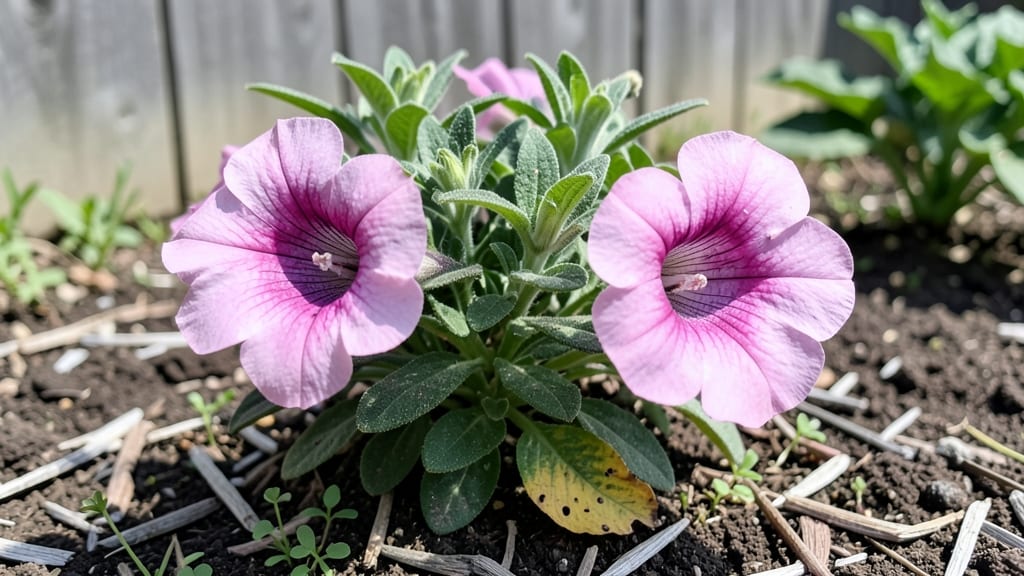
Pink petunia flowers bring instant drama to any garden, their velvety blooms drawing hummingbirds like magnets. 🌸 I still remember the first time I planted them along my front walkway—they transformed a dull border into a riot of color that lasted from May until frost.
The secret isn't just their shade; it's how they pair with other plants to create visual harmony while keeping pollinators buzzing all season.
These flowers thrive when combined with silver foliage plants like lamb's ear or dusty miller, where their pink blooms make the silvery leaves pop. For containers, mix them with trailing calibrachoa or sweet potato vine to create a cascading effect that spills over edges beautifully.
In garden beds, they work as a mid-height border plant, softening the transition between taller perennials and low-growing ground covers.
What makes them truly special is their versatility—plant them in massed drifts for a bold statement, or scatter them among annuals for a more natural, wildflower look. The key is keeping them well-watered and deadheading spent blooms to encourage nonstop flowering.
You'll end up with a garden that feels alive, vibrant, and full of movement from dawn till dusk.
They adapt to almost any sunny spot, whether in full sun or light shade, making them perfect for urban gardens, cottage-style plots, or modern container arrangements. Once you try them, you'll wonder how you ever gardened without this pollinator powerhouse in the mix.
📚 In This Guide
- What you need
- Instructions
- Tips and common mistakes
- Wrapping up and next steps
What you need
- ● Pink petunia seeds or seedlings: Choose Petunia × hybrida varieties like 'Sweet Sally,' 'Wave,' or 'Supertunia' for reliable pink blooms. Buy 10-20 seeds (or 3-5 seedlings) for a small container or 50+ seeds for a full garden bed.
- ● Well-draining potting mix: A 10-20 lb bag of high-quality, peat-based or coco coir mix (e.g., Miracle-Gro or FoxFarm Ocean Forest). Avoid heavy clay soil.
- ● Containers or garden bed: For containers: Use 5-7 inch pots (1 plant per pot) or hanging baskets (3-5 plants per basket). Ensure pots have drainage holes.
- ● For garden beds: Space seedlings 10-12 inches apart in full sun (6+ hours of light daily).
- ● Fertilizer: A balanced, water-soluble fertilizer (10-10-10 or 20-20-20 ratio). Start with 1 tbsp per gallon of water every 2 weeks.
- ● Watering can or hose with a gentle spray nozzle: Petunias need consistent moisture but hate soggy roots.
- ● Seed-starting kit: Includes seed trays, domes, and soil (great for early starts indoors).
- ● Pruning shears: For deadheading spent blooms to encourage more flowers.
- ● Mulch (e.g., straw or shredded bark): Helps retain moisture and suppress weeds in garden beds.
- ● Garden gloves: Protects hands from thorns (some petunia varieties have mild prickles).
- ● pH test kit: Ideal soil pH for petunias is 6.0-7.0. Adjust with lime (to raise pH) or sulfur (to lower pH) if needed.
- ● Sunlight: Full sun (6+ hours/day) for maximum blooms. Partial shade (4-6 hours) works in hot climates.
- ● Temperature: Plant after last frost when soil temps are above 55°F (13°C). Petunias thrive in 60-75°F (15-24°C) ranges.
- ● Pollinator-friendly zone: Pink petunias attract butterflies, bees, and hummingbirds—place them near other nectar-rich flowers for a buzzing garden!
How to grow stunning pink petunias that thrive all season
Pink petunias bring vibrant color and pollinators to any garden—here’s how to grow them boldly.
🌱 Step 1: Start Seeds Indoors or Buy Healthy Transplants
Pink petunias grow best from seeds started 8-10 weeks before your last frost date. Fill 2-inch deep seed trays with a light, sterile seed-starting mix. Press seeds gently into the soil—just ¼ inch deep. Cover with a fine layer of mix to protect them from drying out.
Keep the soil consistently moist and warm (70-75°F) for germination. Place trays under a grow light or in a sunny window. You’ll see sprouts in 7-14 days. If buying transplants, choose ones with full, vibrant pink blooms and no signs of wilting.
☀️ Step 2: Acclimate and Transplant After Frost
Once nighttime temperatures stay above 50°F, it’s time to harden off seedlings. Place them outside in a shaded spot for 1-2 hours the first day, gradually increasing exposure over 5-7 days. This toughens their stems and leaves for outdoor life.
Choose a sunny spot with 6+ hours of direct sunlight daily. Pink petunias thrive in well-draining soil with a slightly acidic pH (6.0-6.5). Space plants 10-12 inches apart in rows or containers. Dig holes just deep enough to cover the roots, then water deeply to settle the soil.
💧 Step 3: Water and Feed for Continuous Blooms
Water petunias at the base early in the morning to prevent fungal diseases. Keep soil evenly moist but not soggy—1 inch of water per week is ideal. Mulch around plants with 1-2 inches of organic mulch to retain moisture and suppress weeds.
Feed plants every 2-3 weeks with a balanced, water-soluble fertilizer (10-10-10) diluted to half strength. This encourages lush foliage and abundant blooms. Deadhead spent flowers regularly—pinch or snip them off just above the next set of leaves. This redirects energy to new growth.
✂️ Step 4: Prune and Protect for Long-Lasting Color
Trim leggy stems back by ⅓ in early summer to promote bushier growth. This keeps plants compact and encourages more blooms. Pinch back any stems that grow too tall or flop over—petunias naturally sprawl, but pruning keeps them tidy.
Watch for pests like aphids or spider mites, which love petunias. Spray affected areas with neem oil or insecticidal soap if needed. In cooler climates, bring container-grown petunias indoors before frost or protect them with row covers. With proper care, they’ll reward you with bold pink blooms until fall.
Tips & tricks for growing bold pink petunias
A few simple strategies will help you grow petunias that stay vibrant and blooming all season long.
Germination Conditions: Those 70-75°F soil temperatures are critical for germination—don't let them drop below 65°F or seeds may take longer to sprout. I use a seedling heat mat under my trays to maintain consistent warmth, especially if my home gets chilly at night. Keep the soil consistently moist but not soggy during this 7-14 day period, as uneven moisture can cause uneven germination.
Hardening Off: The 1-2 hours of initial hardening off might seem short, but this gradual process prevents shock to tender seedlings. On day 2, increase to 3-4 hours in shade, then move to partial sun by day 3. I place my seedlings on a sheltered porch or under a patio umbrella during this time. Watch for wilting—if leaves droop, bring them back inside for another day.
Sunlight Secret: While petunias love 6+ hours of sun daily, they can actually handle up to 8 hours in cooler climates. In hotter regions, provide afternoon shade to prevent scorching. I've found that morning sun with afternoon shade gives the most vibrant pink blooms. The key is to avoid the intense midday sun when temperatures exceed 85°F.
Pruning Strategy: When you trim those leggy stems back by ⅓, focus on cutting just above a leaf node where new growth will emerge. This encourages bushier plants with more blooms. I like to do this pruning on a cloudy day or in the evening when plants are less stressed from heat. Regular pruning also improves air circulation, which helps prevent fungal diseases.
Pro Tips for Pink Petunia Flower
- A few simple strategies will help you grow petunias that stay vibrant and blooming all season long.
- Germination Conditions: Those 70-75°F soil temperatures are critical for germination—don't let them drop below 65°F or seeds may take longer to sprout.
- Hardening Off: The 1-2 hours of initial hardening off might seem short, but this gradual process prevents shock to tender seedlings.
Frequently asked questions
Got questions about growing and caring for pink petunia flowers? You’re not alone! Here are some of the most common queries—plus quick, practical answers to help you keep your garden blooming beautifully.
How do I keep my pink petunias blooming all season long?
Deadheading (removing spent blooms) is key! Snip off faded flowers just above the next set of leaves to encourage new growth. Also, fertilize every 2–3 weeks with a balanced, water-soluble fertilizer (like 10-10-10) and ensure they get at least 6–8 hours of sunlight daily. Pro tip: Mulch around the base to retain moisture and deter weeds.
When is the best time to plant pink petunias?
For most climates, plant after the last frost when soil temps reach 50°F (10°C) or warmer. In warmer zones (like USDA 8–11), you can start as early as February. If planting from seed, begin indoors 8–10 weeks before the last frost. Pro tip: Use black plastic mulch to warm the soil faster and extend the growing season!
Why are my pink petunias wilting or turning yellow?
Wilting often signals underwatering or root rot (from overwatering). Yellow leaves? Check for nutrient deficiencies (like nitrogen) or pests (like aphids or spider mites). Adjust your watering schedule—petunias prefer consistently moist (not soggy) soil. If pests are the issue, spray with neem oil or insecticidal soap.
Can I grow pink petunias in containers or hanging baskets?
Petunias thrive in containers—just use a well-draining potting mix and a pot with drainage holes. For hanging baskets, choose trailing varieties like ‘Wave’ or ‘Supertunia.’ Water daily in hot weather, as containers dry out faster. Pro tip: Add a time-release fertilizer to the soil at planting for slow, steady nutrition!
Are pink petunias good for attracting pollinators?
Yes! Pink petunias are a pollinator magnet, especially for butterflies and bees. Their vibrant color and nectar-rich blooms make them a top pick for gardens aiming to support local ecosystems. Pair them with other pollinator-friendly plants like lavender, cosmos, or marigolds for a buzzing, thriving garden. Pro tip: Avoid pesticides—opt for organic solutions to keep pollinators safe!
What’s a good alternative if I can’t grow petunias?
If petunias struggle in your climate, try these equally stunning, low-maintenance alternatives:
- Impatiens – Shade-tolerant and blooms nonstop.
- Geraniums – Drought-resistant with bold colors.
- Begonias – Thrives in partial shade and high humidity.
- Calibrachoa – "Million bells" offer petunia-like blooms with less fuss.
Wrapping up and next steps
From their vibrant hues to their pollinator-friendly charm, pink petunia flowers are a must-have for any garden or balcony space! 🌸 Their low-maintenance care and year-round appeal make them a perfect choice for both beginners and seasoned gardeners.
Whether you're drawn to their beauty or their ecological benefits, these flowers are sure to bring joy and life to your outdoor sanctuary.
Ready to add a splash of pink to your garden? Start by choosing the right variety and preparing your soil—then watch your space transform into a buzzing, blooming paradise! Happy gardening! 🌱