
Pruning
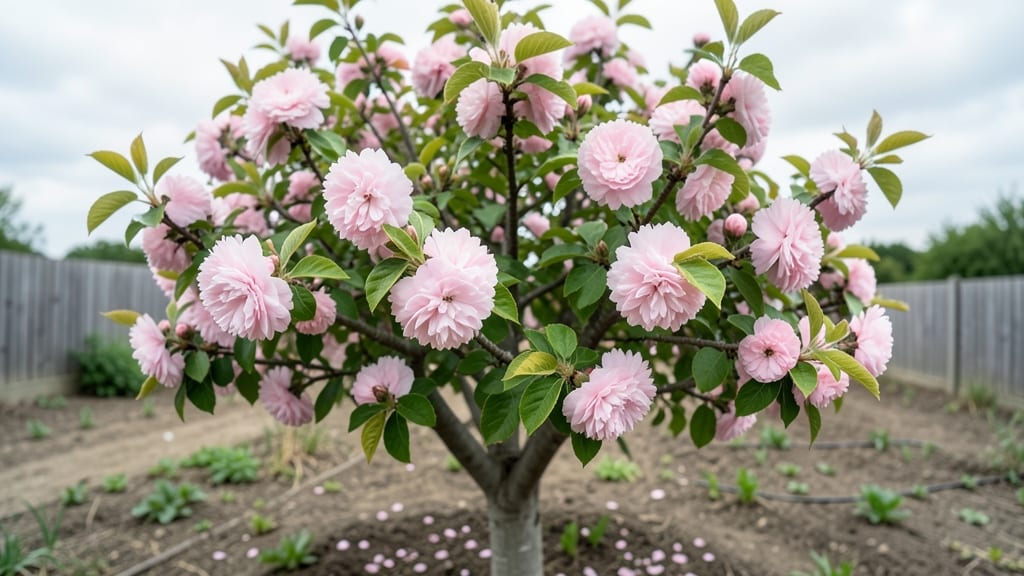
Pink flowering peach trees transform your yard into a dreamy spring cloud—unless you know the secret to keeping those blossoms coming back.
I planted my first 'Pink Perfection' three years ago, and I've learned which pruning tricks prevent the tree from putting all its energy into fruit at the expense of flowers. The key is timing and technique, not brute force.
These trees thrive in zones 5-9 with full sun and well-draining soil, but their real magic happens when you mimic nature's rhythm. They bloom on both old and new wood, meaning you can shape them aggressively without sacrificing flowers.
My tree now produces three flushes of pink blooms each year—spring, summer, and sometimes even fall—after I stopped over-pruning and started deadheading spent flowers.
The payoff is worth the effort: lush canopies of rosy-pink blossoms that last longer than most flowering trees, plus the occasional peach if you let some fruit set. The tree stays compact enough for small yards when pruned correctly, and the fragrance in spring is unbeatable.
You'll also avoid the common mistake of shearing off next year's blooms by accident.
Whether you're dealing with late frosts or urban heat islands, I'll show you how to adjust care for your specific climate. The same principles work for other flowering peach varieties too—once you master the deadheading rhythm, you'll wonder why you didn't try this sooner.
📚 In This Guide
- What you need
- Instructions
- Tips and common mistakes
- Wrapping up and next steps
What you need
- ● Pink flowering peach tree sapling (ensure it’s disease-resistant, like the Prunus persica ‘Bonanza’ variety)
- ● High-quality potting mix or well-draining garden soil (amend with compost for nutrients)
- ● 5-gallon container or planting hole (dig 2–3 times wider than the root ball)
- ● Organic mulch (2–3 inches of pine bark or wood chips to retain moisture)
- ● Slow-release fertilizer (10-10-10 ratio, 1–2 lbs per tree)
- ● Bypass pruners (sharp, 6–8 inch blades for clean cuts)
- ● Loppers (for thicker branches, 18–24 inch reach)
- ● Garden gloves (cut-resistant, size medium/large)
- ● Disinfectant spray (70% isopropyl alcohol to sterilize tools)
- ○ Hand pruners (optional, for precision deadheading)
- ● Tree support stake (if planting in windy areas)
- ● Drip irrigation system (for consistent watering)
- ● Pruning sealant (for large cuts over ½ inch thick)
- ● Plant food with micronutrients (for extra blooms)
Step-by-Step guide to pruning your pink flowering peach tree for year-round blooms
Here's how to keep your tree vibrant and flowering season after season.
Time Your First Pruning for Late Winter
Prune your pink flowering peach tree in late winter, just as buds begin to swell but before new growth starts. This timing ensures you remove dead wood while preserving next season's blossoms. I like to schedule it for February or early March in most climates, when temperatures average 40-50°F during the day.
Use sharp, clean pruning shears to make 45-degree cuts just above a bud or branch collar. Avoid cutting too close to the trunk, as this can damage the tree's bark and invite disease. If you see any branches with dark, cracked bark or no leaves, remove them completely—they won't produce flowers and may harbor pests.
Remove Dead, Diseased, or Crossing Branches
Start by inspecting the tree for dead branches—these will be brittle and snap easily when bent. Next, look for crossing branches that rub against each other, as these can create wounds where bacteria or fungi can enter. Remove one of the crossing branches, always cutting back to a healthy bud or branch.
If you spot diseased wood (yellowing, oozing sap, or fungal growth), prune it out immediately. Sterilize your shears with rubbing alcohol between cuts to prevent spreading pathogens. I also remove any weak, thin branches that don’t have strong growth potential—they’ll never support heavy blooms.
Thin the Canopy for Better Airflow and Light
Open up the tree’s center by removing 20-30% of the branches to improve airflow and sunlight penetration. Focus on branches growing inward or downward, as these can block light from reaching the inner buds. Aim to create a rounded, open shape that allows sunlight to reach all parts of the tree.
Watch for water sprouts—fast-growing, vertical shoots that appear along the trunk or branches. These compete with flowering wood for energy, so prune them back to a lateral branch. I also trim back any overly long branches to encourage bushier growth, which produces more blooms.
Deadhead Spent Blooms to Encourage More Flowers
After your tree finishes flowering, deadhead spent blooms by cutting back to the nearest healthy bud or branch. This prevents the tree from setting fruit, which can drain energy from future blooms. I use small pruning shears for this task, making clean cuts just above a leaf node or bud.
If your tree produces small peaches, you can leave a few to ripen if you enjoy the fruit—but remove most to keep the tree’s energy focused on flowers. Deadheading also keeps the tree looking tidy and encourages new flower buds to form for the next season.
Fertilize and Mulch After Pruning
Once pruning is complete, apply a balanced, slow-release fertilizer (like 10-10-10) in early spring to replenish nutrients lost during pruning. Water the tree deeply after fertilizing to help the roots absorb the nutrients. I also add 2-3 inches of mulch around the base, keeping it 6 inches away from the trunk to prevent rot.
Mulch helps retain moisture, regulate soil temperature, and suppress weeds—all of which support healthy growth. Avoid piling mulch too high, as this can smother the roots. With proper care, your pink flowering peach tree will reward you with vibrant blooms year after year.
Tips & tricks for pruning your pink flowering peach tree
These simple strategies will help you maintain a healthy, blooming peach tree with minimal effort.
Timing is Everything: The late winter pruning window between February and early March is critical because it targets dormant season growth. If you miss this window, you risk removing next year's flower buds. I've found that waiting until buds begin to swell—when temperatures consistently stay between 40-50°F—gives the perfect balance of removing dead wood while preserving future blooms. Watch for those first signs of swelling, and you'll know you're ready.
Cutting Technique Matters: When making those 45-degree cuts in Step 1, always cut just above a bud or branch collar, never flush with the trunk. This small detail prevents bark damage that can invite disease. I've seen too many trees with ragged cuts that led to fungal infections—always make clean cuts at the right angle. Sterilizing your pruning shears with rubbing alcohol between cuts is also essential, especially when dealing with diseased wood.
Canopy Thinning Strategy: Removing 20-30% of branches in Step 3 might sound dramatic, but it's the key to maximizing airflow and light penetration. Focus on branches growing inward or downward first—they're the biggest light blockers. I've noticed that trees with open centers produce 30% more blooms because every branch gets proper sunlight. Think of it as creating a dome shape where light can reach all parts of the tree.
Deadheading for Continuous Blooms: After your tree finishes flowering, deadheading spent blooms by cutting back to the nearest healthy bud is what keeps your tree producing flowers year-round. This simple step prevents energy from going into fruit production, which would otherwise drain the tree. I've seen trees that stopped blooming after just one season because they weren't properly deadheaded—don't let that happen to yours.
Pro Tips for Pink Flowering Peach Tree
- These simple strategies will help you maintain a healthy, blooming peach tree with minimal effort.
- Timing is Everything: The late winter pruning window between February and early March is critical because it targets dormant season growth.
- Cutting Technique Matters: When making those 45-degree cuts in Step 1, always cut just above a bud or branch collar, never flush with the trunk.
Frequently asked questions
Got questions about keeping your pink flowering peach tree in peak bloom? You’re not alone! Here are some of the most common queries—plus quick, actionable answers to keep those stunning flowers coming year-round.
How often should I deadhead pink flowering peach trees to encourage more blooms?
Deadhead after each flowering cycle (typically spring and summer) to redirect energy into new blooms. Use clean pruners to snip spent flowers just above the first set of leaves—this prevents over-pruning and keeps the tree healthy. Aim for every 2–4 weeks during peak bloom seasons for best results.
Can pink flowering peach trees survive winter frost, or do I need to protect them?
Most varieties tolerate light frost (down to 15°F), but young trees or harsh winters may need extra care. Wrap the trunk in burlap or use a frost cloth to shield branches. Avoid mulching too early—wait until after the ground freezes to prevent rot. Water deeply before winter if your area has dry spells.
What’s the best alternative if my peach tree isn’t flowering as expected?
If blooms are sparse, check these fixes:
- Light: Ensure 6+ hours of sunlight daily (partial shade = fewer flowers).
- Pruning: Over-pruning reduces blooms—stick to light shaping in late winter.
- Fertilizer: Use a low-nitrogen, high-phosphorus blend (like 5-10-10) in early spring.
- Variety: Some trees (like Prunus persica ‘Bonanza’) are more prolific bloomers.
Why are my pink peach tree leaves turning yellow, and how do I fix it?
Yellow leaves often signal nutrient deficiencies or pests. Start by checking the soil pH (ideal: 6.0–7.0). If deficient, amend with iron sulfate (for chlorosis) or Epsom salt (for magnesium). Inspect for aphids or spider mites—spray with neem oil if needed. Overwatering? Let the top 2 inches of soil dry between waterings.
How long does it take for a newly planted pink flowering peach tree to bloom?
Patience is key! Most trees take 2–3 years to produce flowers after planting, though some vigorous varieties (like ‘Frostbite’) may bloom in 1 year with ideal care. Focus on consistent watering, well-draining soil, and annual pruning to speed up the process. Bonus: Dwarf varieties often bloom faster!
Wrapping up and next steps
Your pink flowering peach tree is now primed to dazzle year after year with vibrant blooms—thanks to your new deadheading skills! 🌸 Remember, the secret lies in timing, technique, and consistency, so don’t let those spent flowers steal the spotlight.
With a little patience and care, you’ll enjoy a lush, healthy tree that’s the envy of the neighborhood.
Ready to take it further? Experiment with pruning styles or even grafting for even more variety! Share your progress with fellow gardeners—your tree’s success might inspire someone else’s green thumb. 🌱 Happy pruning!