
Shrubs
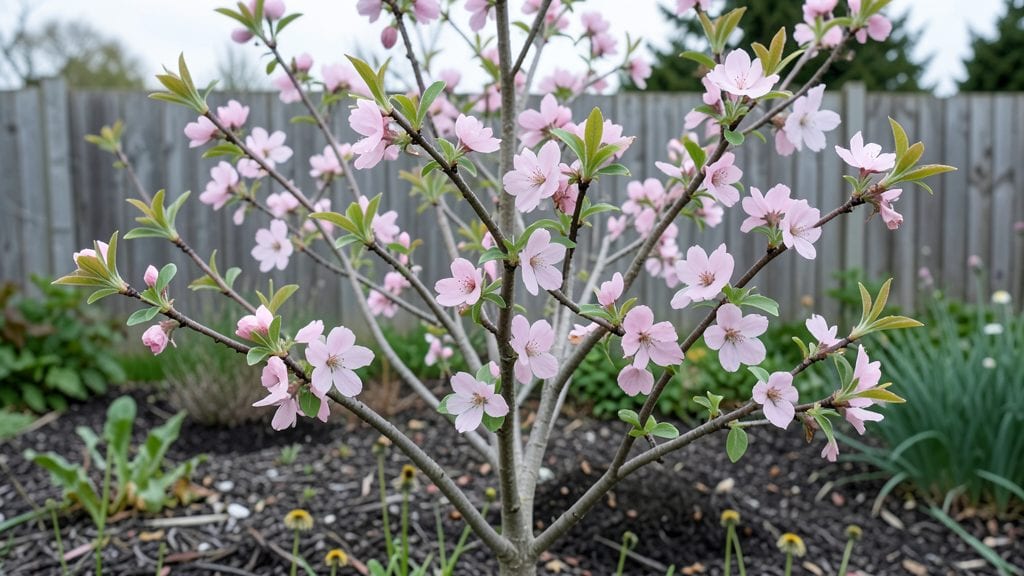
Nothing could be more magical than watching your pink flowering almond shrub burst into bloom, filling your yard with that intoxicating spring fragrance. 🌸 The secret lies in their hardiness and how they thrive with minimal fuss once planted right.
You’ll need well-draining soil, full sun, and a spot where the roots can spread without competition. Most varieties handle frost down to -20°F, making them perfect for zones 4-8.
Water deeply after planting, then let the soil dry slightly between waterings—overwatering is the fastest way to kill these tough shrubs. Prune lightly after blooming to keep them shaped and encourage next year’s flowers.
By late spring, you’ll have clouds of delicate pink blossoms that last weeks, followed by edible (but bitter) almond-like fruits. The fragrance alone draws bees and butterflies, turning your yard into a pollinator paradise. Just avoid heavy pruning in fall—it cuts back the blooms for next season.
Works just as well in containers for small spaces or as a standalone specimen. Once established, they’re nearly maintenance-free and reward you with years of effortless beauty. Here’s how to get yours off to the best start.
📚 In This Guide
- What you need
- Instructions
- Tips and common mistakes
- Wrapping up and next steps
What you need
- ● Pink flowering almond shrub: 1 healthy, 1–3 gallon container-grown plant (or 1–2 bare-root plants if planting in early spring).
- ● Well-draining soil: A mix of native soil, compost (50% each), and a handful of perlite or coarse sand (for drainage).
- ● Organic mulch: 2–3 inches of wood chips, pine straw, or shredded bark (to retain moisture and suppress weeds).
- ● Balanced fertilizer: 10-10-10 or 20-20-20 (use ½ teaspoon per gallon of water at planting and again in early spring).
- ● Garden trowel or spade (for digging).
- ● Garden gloves (to protect your hands).
- ● Watering can or hose with a gentle spray nozzle (for consistent moisture).
- ● Pruning shears (for shaping and deadheading spent blooms).
- ● Sunlight access: A location with full sun (6+ hours/day) or partial shade (4–6 hours) in hot climates.
- ● Slow-release fertilizer tablets (for nutrient consistency).
- ● Pebble or gravel mulch (to enhance drainage in wet climates).
- ● Bee-friendly companion plants (like lavender or catmint) to attract pollinators.
Step-by-step guide to planting and caring for a pink flowering almond shrub
Here's how to grow a stunning pink flowering almond shrub that will fill your garden with fragrance and attract pollinators.
🌱 Step 1: Choose the Right Location and Prepare the Soil
The pink flowering almond thrives in full sun—at least 6-8 hours daily. I always pick a spot where it gets morning sun and afternoon shade if your climate runs hot, since the blooms can scorch in intense afternoon heat. The shrub prefers well-draining soil, so if your garden holds water, amend with 1-2 inches of organic compost mixed into the top 12 inches of soil.
Dig a hole twice as wide as the root ball but only as deep. This encourages roots to spread outward rather than settling too low, which can cause rot. Loosen the soil around the edges of the hole with a garden fork to help roots penetrate easily. Here's the thing—pink flowering almonds hate soggy feet, so if your yard has heavy clay, consider planting on a slight mound or adding coarse sand to improve drainage.
🪴 Step 2: Plant the Shrub and Water Thoroughly
Gently remove the shrub from its container and tease the roots outward if they're circling. Place it in the hole so the top of the root ball sits 1 inch above ground level—this prevents water from pooling around the stem. Backfill with native soil, pressing lightly to remove air pockets but not compacting too tightly.
Water immediately after planting with 5 gallons of water, enough to soak the root zone completely. You'll see the soil settle slightly—this is normal. Mulch around the base with 2-3 inches of organic mulch, keeping it 3 inches away from the trunk to prevent rot. This helps retain moisture and regulates soil temperature, which is especially important during hot summers when the shrub is in full bloom.
☀️ Step 3: Provide Consistent Care for Healthy Growth
Water deeply once a week during the first growing season, allowing the top 2 inches of soil to dry out between waterings. You'll know it's time when the soil feels slightly dry to the touch. Once established, pink flowering almonds are drought-tolerant, but they reward consistent moisture with lush foliage and abundant blooms. I avoid overhead watering after planting to prevent fungal issues—always water at the base.
Feed with a balanced 10-10-10 fertilizer in early spring as new growth appears, then again in late summer. This gives the shrub the nutrients it needs for vigorous blooming the following season. Prune lightly after flowering to shape the shrub, but avoid heavy pruning—pink flowering almonds bloom on old wood, so cutting back too much reduces next year's flowers.
✂️ Step 4: Prune and Maintain for Long-Term Beauty
Prune in late winter or early spring before new growth begins. Remove any dead, diseased, or crossing branches first—this keeps the shrub healthy and open. Then, shape the shrub by cutting back overgrown branches to maintain its natural form. I never cut more than 1/3 of the shrub's height at once, as this can stress the plant and reduce flowering.
Watch for signs of stress like yellowing leaves or sparse blooms—these often indicate overwatering or poor drainage. Pink flowering almonds are generally low-maintenance, but they do appreciate a light layer of mulch each spring to refresh the soil. With proper care, your shrub will reward you with fragrant pink blossoms for years, attracting bees and adding color to your garden.
Tips & tricks for growing a thriving pink flowering almond shrub
Here's what I've learned from years of growing these fragrant beauties—simple adjustments that make all the difference between a struggling plant and a showstopper.
Sunlight Strategy: That 6-8 hours of daily sun is non-negotiable, but here's the trick: if your summers run hot, position your shrub to catch morning sun and afternoon shade. I've seen blooms scorch in intense afternoon heat—it's like they're sunburning! In hot climates, a light shade cloth during peak afternoon hours can save your blossoms without sacrificing too much light.
Drainage is Everything: I can't stress this enough—pink flowering almonds despise soggy roots. If your soil holds water, create a raised bed or mound the soil slightly when planting. For heavy clay soils, mix in coarse sand or perlite to improve drainage. The hole should be twice as wide but only as deep as the root ball—this encourages roots to spread horizontally where they'll find better drainage.
Watering Wisdom: That first 5 gallons of water after planting is crucial, but here's what nobody tells you: water slowly to let it soak in completely. I use a gentle hose setting or soaker hose to avoid creating surface puddles. After establishment, let the top 2 inches of soil dry out between waterings—stick your finger in to check. Overwatering is the #1 reason these shrubs develop yellow leaves or sparse blooms.
Fertilizer Timing: The 10-10-10 fertilizer works great, but timing matters more than you'd think. Apply it in early spring when you see new growth starting, and again in late summer after the first flush of blooms. I've found that late summer feeding gives the shrub energy to develop next year's flower buds. Just be careful not to fertilize after mid-summer—new growth won't have time to harden off before winter.
Pro Tips for Pink Flowering Almond Shrub
- Here's what I've learned from years of growing these fragrant beauties—simple adjustments that make all the difference between a struggling plant and a showstopper.
- Sunlight Strategy: That 6-8 hours of daily sun is non-negotiable, but here's the trick: if your summers run hot, position your shrub to catch morning sun and afternoon shade.
- Drainage is Everything: I can't stress this enough—pink flowering almonds despise soggy roots.
Frequently asked questions
Got questions about growing and caring for your pink flowering almond shrub? You’re not alone! Here are some of the most common queries—and their answers—to help you keep your fragrant beauty thriving.
When is the best time to plant a pink flowering almond shrub?
The ideal time to plant is in early spring or fall, when temperatures are mild and the soil is workable. This gives roots time to establish before extreme heat or cold sets in. If you’re in a warmer climate, avoid planting during summer’s peak—heat stress can stunt growth.
Are pink flowering almond shrubs toxic to bees or other pollinators?
Not at all! These shrubs are bee-friendly and produce nectar-rich flowers that attract pollinators. In fact, their vibrant blooms are a magnet for bees, butterflies, and hummingbirds. Just avoid overusing pesticides, and you’ll support local ecosystems while enjoying their beauty.
How often should I prune my pink flowering almond shrub?
Prune lightly in late winter or early spring (before new growth starts) to shape the shrub and remove dead or crossing branches. Avoid heavy pruning—these shrubs bloom on old wood, so aggressive cuts can reduce flowers. A quick trim to encourage airflow is usually enough!
Can I grow a pink flowering almond shrub in a container?
Yes, but choose a large pot (at least 18–24 inches wide) with drainage holes and well-draining soil. Containers dry out faster, so water regularly and move the pot to a sheltered spot in winter if frost is a concern. Just be prepared for slower growth compared to in-ground planting.
Why aren’t my pink flowering almond shrub’s flowers as vibrant as they should be?
Faded blooms often signal nutrient deficiencies (especially nitrogen or phosphorus), overwatering, or poor sunlight. Try fertilizing with a balanced bloom booster in early spring, ensuring 6+ hours of sun daily, and letting the top inch of soil dry between waterings. Yellow leaves? Check for iron deficiency too!
Wrapping up and next steps
The pink flowering almond shrub is a stunning, low-maintenance addition to any garden, offering fragrant blooms and year-round beauty that even attracts pollinators. Whether you're a seasoned gardener or just starting, its resilience and vibrant charm make it a must-have for landscapes.
Ready to transform your outdoor space? Start by gathering your supplies and dive into planting—your garden will thank you!