
Flowers
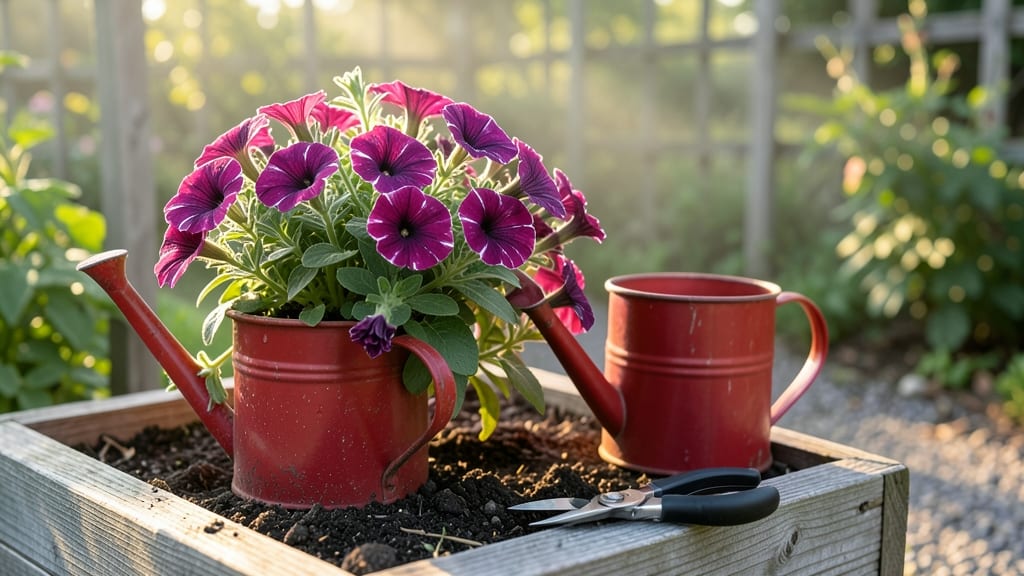
My petunia flower maintenance routine starts with one simple trick—deadheading every morning before the sun gets too strong. 🌸 I used to watch my petunias fade after their first big bloom, but this one habit keeps them flowering like crazy all season long.
The key isn't just cutting spent blooms, though—it's about timing, watering, and knowing when to give them a haircut.
You'll need sharp scissors (or clean fingers), a balanced fertilizer, and a watering can with a gentle spray nozzle. Most people overwater petunias, which leads to root rot and fewer blooms.
Instead, water deeply once a week and let the top inch of soil dry out between waterings. The right soil mix—light, well-draining, and rich in organic matter—makes all the difference too.
What you'll end up with is petunias that look like they just came from a nursery, not your backyard. The blooms stay vibrant and full, the plants stay compact, and you'll have flowers from early summer right through frost.
Even my black thumb can't kill these when I follow this routine.
This works for both hanging baskets and garden beds, and the same principles apply whether you're growing petunias in full sun or light shade. The only real mistake is waiting too long to deadhead—once the blooms start wilting, the plant stops putting energy into new flowers.
Let's get those shears ready!
📚 In This Guide
- What you need
- Instructions
- Tips and common mistakes
- Wrapping up and next steps
What you need
- ● Pruning shears or sharp scissors – Small, clean, and sharp (sterilize with rubbing alcohol between plants to prevent disease).
- ○ Gloves – Lightweight gardening gloves (optional but helpful for prickly stems or thorny varieties).
- ● Watering can or hose with a gentle nozzle – For post-pruning hydration (petunias love consistent moisture!).
- ● Compost or balanced fertilizer – 10-10-10 or 20-20-20 NPK ratio (diluted to half-strength for feeding after deadheading).
- ○ Mulch (optional but recommended) – 2-3 inches of organic mulch (e.g., shredded bark or straw) to retain moisture and suppress weeds.
- ● Handheld mirror – For reaching tricky spots in hanging baskets or tight spaces.
- ● Spray bottle with water – To refresh wilting petunias after a hot day.
- ● Plant support stakes or cages – If your petunias are tall or sprawling (e.g., 'Wave' or 'Grandiflora' varieties).
- ● Disease-resistant spray – Neem oil or copper fungicide (preventative measure for powdery mildew in humid climates).
Step-by-Step petunia flower maintenance for continuous blooms
Here's the foolproof method I use to keep petunias flowering like crazy all season.
✂️ Step 1: Identify and Remove Spent Blooms Daily
Start by examining each flower cluster carefully. Petunias produce spent blooms that form seed pods—these are the round, puffy shapes at the base of wilted flowers. Use clean, sharp pruners to snip off the entire spent bloom just above the next set of leaves or side buds. This encourages the plant to redirect energy into new growth rather than seed production.
I do this first thing in the morning when blooms are still crisp. You'll notice the plant immediately looks tidier, and within days, fresh buds will appear at the cut points. Never pull blooms by hand—it can damage stems and leave ragged cuts that invite disease.
✂️ Step 2: Prune Leggy Growth to Encourage Bushiness
Petunias stretch when they don't get enough light or nutrients, creating long, bare stems. Pinch back the tips of leggy stems just above a set of leaves where new growth appears. This triggers branching, creating a fuller, more compact plant. I do this every 2-3 weeks during active growth, usually in late spring and early summer.
You'll see new side shoots emerge within 5-7 days of pruning. Avoid cutting into old wood—focus on the newer, green growth that responds best. If you're working with trailing varieties, let some stems grow longer for a cascading effect, but always prune back the leggiest sections.
💧 Step 3: Water at the Base Early in the Morning
Petunias need consistent moisture, but soggy roots cause root rot. Water deeply at the base of the plant until 1-2 inches of soil feels damp. I use a watering can with a narrow spout to direct moisture right at the roots, avoiding wet foliage that invites fungal issues. Watering in the morning gives leaves time to dry before evening humidity sets in.
Check soil moisture by sticking your finger 1 inch deep—if it feels dry, it's time to water. Overhead watering can lead to powdery mildew, so always water at the base. You'll notice healthier, more vibrant blooms when roots stay consistently moist but not waterlogged.
☀️ Step 4: Provide Balanced Sunlight and Fertilizer
Petunias thrive in 6-8 hours of direct sunlight daily. If they're not blooming well, check their location—too much shade leads to fewer flowers. I use a balanced, water-soluble fertilizer every 2 weeks during the growing season to keep them producing. Mix the fertilizer at half-strength to avoid burning roots.
You'll see a noticeable difference in 7-10 days after fertilizing—blooms will be larger and more abundant. For container petunias, I also add a slow-release fertilizer pellet at planting time for steady nutrition. Avoid over-fertilizing with high-nitrogen mixes, which promote leafy growth at the expense of flowers.
🌿 Step 5: Monitor for Pests and Disease Weekly
Inspect leaves and stems for signs of pests like aphids or spider mites. I spray plants with a strong stream of water to dislodge pests, or use neem oil if infestations persist. For fungal issues like powdery mildew, remove affected leaves immediately and treat with a fungicide if needed.
Prevention is key—keep plants well-spaced for airflow and avoid overhead watering. You'll notice healthier foliage and more blooms when pests and disease are kept in check. Regular maintenance like this ensures your petunias stay vibrant and continue flowering until frost.
Tips & tricks for petunia flower maintenance
Here's what I've learned after years of growing petunias—these simple tricks make all the difference between a few blooms and a nonstop flower show.
The Deadheading Timing Secret: In Step 1, when you're removing spent blooms, focus on those round, puffy seed pods at the base. These are the energy vampires—they suck nutrients away from new blooms. I always do this in the morning because the blooms are still crisp and easier to spot. The key is to cut just above a set of leaves or side buds, not too close to the stem. You'll see fresh buds emerging at those cut points within 3-5 days—it's like magic!
Pruning Technique That Changed Everything: For Step 2, when pruning leggy growth, I've found that using clean, sharp pruners makes a huge difference. Dull tools crush stems and invite disease. Always cut at a 45-degree angle just above a leaf node where new growth appears. If you're working with trailing varieties, let some stems grow long for that cascading look, but always trim back the very leggiest sections. You'll notice new side shoots appearing within 5-7 days, creating a fuller plant.
Watering Wisdom: In Step 3, when watering, I've learned to check soil moisture by sticking my finger 1 inch deep—that's the magic number. If it feels dry, water until 1-2 inches of soil is damp. I use a watering can with a narrow spout to direct water right at the base, avoiding wet foliage. This prevents powdery mildew and keeps roots happy. Watering in the morning gives leaves time to dry before evening humidity sets in—your petunias will thank you with more vibrant blooms.
Fertilizer Strategy: For Step 4, when fertilizing, I always mix my balanced, water-soluble fertilizer at half-strength to avoid burning roots. You'll see a noticeable difference in 7-10 days—blooms will be larger and more abundant. For container petunias, I add a slow-release fertilizer pellet at planting time for steady nutrition. Avoid high-nitrogen fertilizers—they promote leafy growth at the expense of flowers. Think of it as feeding your petunias a balanced diet for maximum blooms!
Pro Tips for Petunia Flower Maintenance
- Here's what I've learned after years of growing petunias—these simple tricks make all the difference between a few blooms and a nonstop flower show.
- The Deadheading Timing Secret: In Step 1, when you're removing spent blooms, focus on those round, puffy seed pods at the base.
- Pruning Technique That Changed Everything: For Step 2, when pruning leggy growth, I've found that using clean, sharp pruners makes a huge difference.
Frequently asked questions
Got questions about keeping your petunias thriving? Here are some of the most common concerns—and their easy solutions!
How often should I deadhead petunias for continuous blooms?
Deadhead spent blooms every 2–3 days during peak flowering (spring/summer) to encourage new buds. If you’re busy, aim for at least weekly—skipping this step can lead to leggy stems and fewer flowers. Pro tip: Use clean pruners or just pinch flowers with your fingers!
Can petunias survive heavy rain or humidity?
Petunias tolerate light rain, but prolonged soggy soil or humidity can cause powdery mildew or root rot. Ensure pots have drainage holes, and water at the base (not overhead) to keep foliage dry. If mildew appears, remove affected leaves and spray with neem oil.
What’s the best fertilizer for petunias, and how much?
Use a balanced, water-soluble fertilizer (like 10-10-10 or 20-20-20) every 2 weeks during growing season. For potted petunias, half-strength feedings prevent salt buildup. Bonus: Fish emulsion or compost tea boosts blooms organically!
Why are my petunia leaves turning yellow or holes appearing?
Yellow leaves often signal overwatering or nutrient deficiency—check soil moisture and adjust care. Holes or chewed edges? Likely aphids, spider mites, or slugs. Spray with soapy water (1 tsp mild soap + 1 quart water) or use diatomaceous earth for pests. Prevent slugs with copper tape around pots!
Can petunias overwinter indoors, and how?
Yes! Trim back 1/3 of the plant, repot in fresh soil, and place in a bright, cool spot (50–60°F) with minimal water. Reduce fertilizing to monthly. In spring, prune again and move outside gradually. Note: Some varieties (like trailing petunias) may not survive—consider annuals for repeat blooms!
Wrapping up and next steps
With the right techniques, your petunias can thrive and bloom nonstop all season long! Deadheading, proper watering, and a little TLC are all it takes to keep these stunning flowers at their best. Don’t let maintenance intimidate you—just a few minutes a week makes a world of difference.
Now that you’re armed with the secrets to nonstop blooms, grab those shears and get ready to enjoy a garden bursting with color! Ready to transform your petunia patch? Start today—your future blooms will thank you! 🌸✨