
Flowers
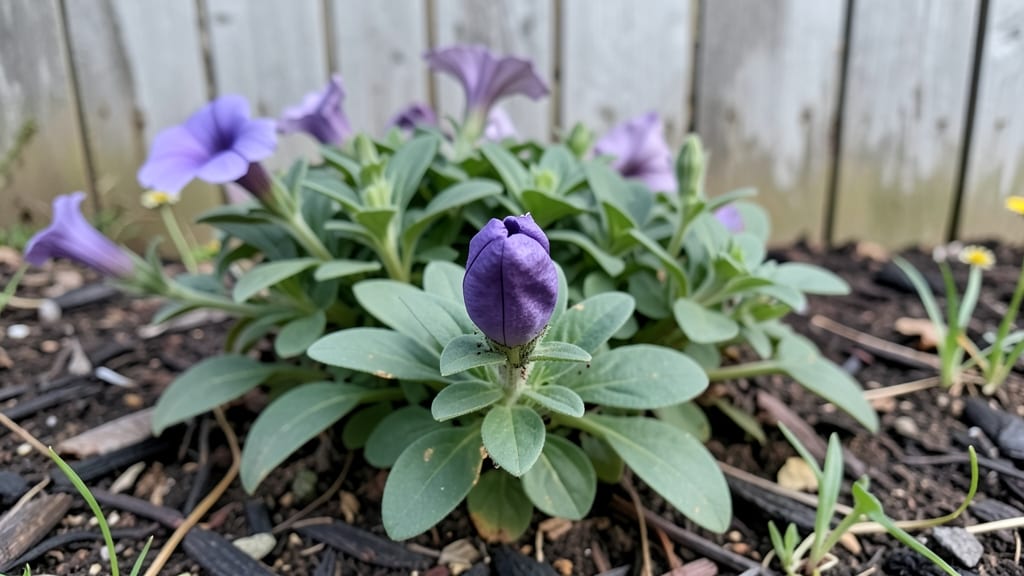
Petunia flower buds need one secret to keep blooming all season: precision pruning at the right time. ✨ I’ve watched petunias go from sparse blooms to overflowing baskets just by cutting back the right stems—it’s not complicated, but timing matters.
The key is removing spent blooms before they set seed, which tricks the plant into producing more buds instead of seed pods.
Start with clean, sharp scissors and a sunny spot with at least 6 hours of light daily. Petunias thrive in well-draining soil and need consistent watering—let the top inch dry out between drinks.
Overwatering causes bud drop, so aim for moist, not soggy. Fertilizer plays a role too: use a balanced 10-10-10 mix every 2-3 weeks during bloom season to keep energy flowing to new buds.
After pruning, you’ll see a surge of fresh green growth within 7-10 days, followed by a wave of new buds forming at the stem tips. The plants stay compact, bushier, and produce 30-50% more blooms than unpruned varieties.
It’s like hitting the reset button on your petunias—just snip, water, and watch them reward you with nonstop color.
This method works for hanging baskets, window boxes, and in-ground plantings alike. Even if you’ve struggled with petunias before, these small adjustments make all the difference. Let’s get those buds blooming!
📚 In This Guide
- What you need
- Instructions
- Tips and common mistakes
- Wrapping up and next steps
What you need
- ● Petunia seeds or seedlings: Choose disease-resistant hybrids (e.g., Petunia × hybrida) for vibrant blooms. Pro tip: Start with 10–20 seeds or 3–5 healthy seedlings per pot.
- ● Well-draining potting mix: 10–15 lbs of high-quality mix (e.g., Miracle-Gro Moisture Control or coco coir blend). Avoid garden soil—petunias hate soggy roots!
- ○ Containers or garden beds: Containers: 6–12" pots with drainage holes (1 plant per 6" of pot diameter). Optional: Self-watering pots for busy gardeners!
- ● Garden beds: Full sun (6+ hours/day) with loose, fertile soil. Amend with compost (1–2 lbs per sq ft).
- ● Fertilizer: Balanced liquid fertilizer (10-10-10 or 20-20-20) or slow-release granules (e.g., Osmocote). Pro tip: Mix 1 tbsp granules per sq ft of soil.
- ○ Pruning shears: Sharp, bypass-pruners (e.g., Fiskars) for clean cuts. Optional: Sterilize with rubbing alcohol to prevent disease.
- ● Grow lights: LED full-spectrum bulbs (e.g., Samsung LM301B) for indoor seedlings (12–16 hours/day).
- ● Mulch: 1–2" layer of straw or pine bark to retain moisture.
- ● Support stakes: 12–18" bamboo stakes or tomato cages for trailing varieties.
- ● Spray bottle: For misting seedlings (especially in dry climates).
Step-by-Step instructions for petunia flower bud care and pruning
Transform your petunias into a blooming powerhouse with these precision techniques.
🌿 Step 1: Identify Healthy Buds and Remove Spending Flowers
Start by examining your petunias for fully opened blooms—these are your "spenders" that drain energy from new buds. Use clean, sharp pruning shears to snip the spent flower just above the next set of leaves or bud. I always work in the early morning when buds are turgid and less prone to damage.
Look for small, firm buds that haven’t yet opened—these are your future blooms. Never cut these; they’re the plant’s investment in next season’s flowers. If you see yellowing or wilted buds, remove them immediately to prevent disease from spreading.
✂️ Step 2: Prune Leggy Stems for Bushier Growth
Petunias stretch toward light, creating leggy stems that weaken the plant. Use your fingers (not shears) to pinch back the top ¼ inch of leggy stems just above a leaf node. This encourages branching, producing 3-4 new side shoots within 2-3 weeks.
Focus on stems that are longer than 6 inches and have no buds. Avoid cutting into woody or thick stems—these won’t regrow. If your petunias are over 12 inches tall, prune back by ⅓ to stimulate compact, bushier growth. Always sterilize your shears with rubbing alcohol between cuts to prevent bacterial spread.
💧 Step 3: Fertilize and Water After Pruning
After pruning, apply a balanced liquid fertilizer (10-10-10) diluted to half-strength to replenish nutrients lost during cutting. Water deeply at the base of the plant until moisture reaches 2-3 inches down, ensuring roots absorb nutrients efficiently. Avoid wetting foliage to prevent fungal diseases like powdery mildew.
Monitor soil moisture daily—petunias need consistent dampness but hate soggy roots. If buds start dropping prematurely, you’re either overwatering or underwatering. Adjust your schedule until you find the sweet spot where soil feels slightly moist but not saturated when checked with your finger.
☀️ Step 4: Adjust Light and Airflow for Optimal Bud Development
Petunias thrive in 6-8 hours of direct sunlight, but afternoon shade in hot climates prevents buds from scorching. If you notice buds wilting before opening, move plants to a slightly shadier spot (east-facing windows or 30% shade cloth). Too little light causes leggy growth and sparse blooms, while too much causes bud drop.
Improve airflow by spreading plants 12-18 inches apart and removing any dead or crowded foliage. A gentle breeze reduces humidity around buds, preventing gray mold and blossom rot. If your petunias are in containers, rotate them weekly to ensure even light exposure on all sides.
⏰ Step 5: Repeat Pruning Every 4-6 Weeks for Continuous Blooms
Petunias reward consistent care with nonstop blooms if pruned every 4-6 weeks during their growing season (spring to frost). After each pruning cycle, step back and assess the plant’s shape—aim for a full, rounded form with buds distributed evenly. Over-pruning weakens the plant, while under-pruning leads to woody stems and fewer flowers.
Stop pruning 6-8 weeks before your first frost to allow buds to mature. In containers, you can extend the season by moving plants indoors to a bright, cool spot (50-60°F) where they’ll go dormant. Resume pruning in spring once new growth appears.
Tips & tricks for precision petunia pruning
Mastering petunia pruning transforms your garden from occasional blooms to a nonstop floral display. These key techniques will help you avoid common pitfalls and maximize your plant's potential.
The Timing Secret: Early morning is your best window for pruning because buds are at their firmest and least vulnerable to damage. The 6-8 hours of sunlight petunias need each day also means you should avoid afternoon pruning—this can stress the plant when it's already working hard to photosynthesize. I've found that pruning right after watering (when soil is moist but not saturated) further reduces stress on the plant.
Pruning Precision: When you're pinching back those leggy stems in Step 2, focus on making clean cuts just above a leaf node. The top ¼ inch rule ensures you're encouraging new growth from the exact spot where side shoots will emerge. For stems over 12 inches, prune back by ⅓—this dramatic cut might feel harsh, but it's what triggers that bushier growth pattern. Always use sterilized tools to prevent spreading disease between cuts.
Fertilizer Technique: That half-strength 10-10-10 fertilizer application after pruning isn't just about replenishing nutrients—it's about giving your petunias a growth boost when they need it most. I recommend applying it to damp soil (after your morning watering) to help the roots absorb nutrients more efficiently. For container-grown petunias, you can even mix the diluted fertilizer directly into the watering can for even distribution.
Light Management: The 6-8 hours of direct sunlight requirement is non-negotiable, but don't assume more light is always better. In hot climates, afternoon shade becomes crucial—think of it as a protective measure for those delicate buds. I've seen petunias scorch in full afternoon sun, turning beautiful buds into crispy husks. If you notice buds wilting before opening, that's your plant's way of saying "I need relief."
Pro Tips for Petunia Flower Bud
- Mastering petunia pruning transforms your garden from occasional blooms to a nonstop floral display.
- The Timing Secret: Early morning is your best window for pruning because buds are at their firmest and least vulnerable to damage.
- Pruning Precision: When you're pinching back those leggy stems in Step 2, focus on making clean cuts just above a leaf node.
Frequently asked questions
Got questions about nurturing those adorable petunia flower buds into showstopping blooms? You’re in the right place! Here are answers to the most common queries—because even the greenest thumbs deserve a thriving garden.
How do I know when petunia flower buds are ready to bloom?
Petunia flower buds typically swell and firm up about 7–10 days before opening. Look for buds that feel plump (like tiny marbles) and show a slight color shift from green to their mature hue. Avoid pruning until buds are fully closed—this ensures energy stays focused on root and stem growth!
Should I prune petunia buds to encourage more flowers?
Yes! Deadheading (removing spent blooms) and light pruning of leggy stems (cut just above a leaf node) boosts bushier growth. For buds, pinch off only the very first blooms if your plant looks overcrowded—this redirects energy to side shoots. Avoid heavy pruning in late summer, as petunias need time to harden off for fall!
Why are my petunia buds dropping before opening?
Bud drop usually signals stress—check for underwatering, extreme heat (above 90°F), or poor airflow. Move plants to partial shade if temps soar, and water at the base (not overhead) to prevent fungal issues. If buds drop after pruning, you may have cut too aggressively—stick to trimming only 1/3 of the plant at a time.
Can I grow petunias from flower buds instead of seeds?
Not directly! Petunia buds won’t sprout into new plants—you’d need to save seeds from mature flowers (if hybrid-free) or propagate via stem cuttings. For buds, focus on nurturing them into blooms. Pro tip: Save seed pods from heirloom varieties in late summer for next year’s garden!
Are petunia buds safe from pests like aphids?
Budding petunias are vulnerable to aphids, spider mites, and earwigs—these pests love tender new growth. Spray buds gently with neem oil or introduce ladybugs for natural control. If buds look sticky or deformed, isolate the plant and treat immediately to prevent systemic damage.
Wrapping up and next steps
Growing petunia flower buds into vibrant, long-lasting blooms is all about precision, patience, and a little love! 🌸 With the right tools, timing, and techniques—like strategic pruning and consistent care—you’ll enjoy a garden bursting with color all season.
Whether you’re a beginner or a seasoned gardener, these steps will help you cultivate a thriving petunia display.
Now that you’re armed with knowledge, roll up your sleeves and get pruning! Start with just one plant, practice your skills, and watch your garden transform. Happy gardening—your petunias will thank you with nonstop beauty! 🌿✨