
Propagation
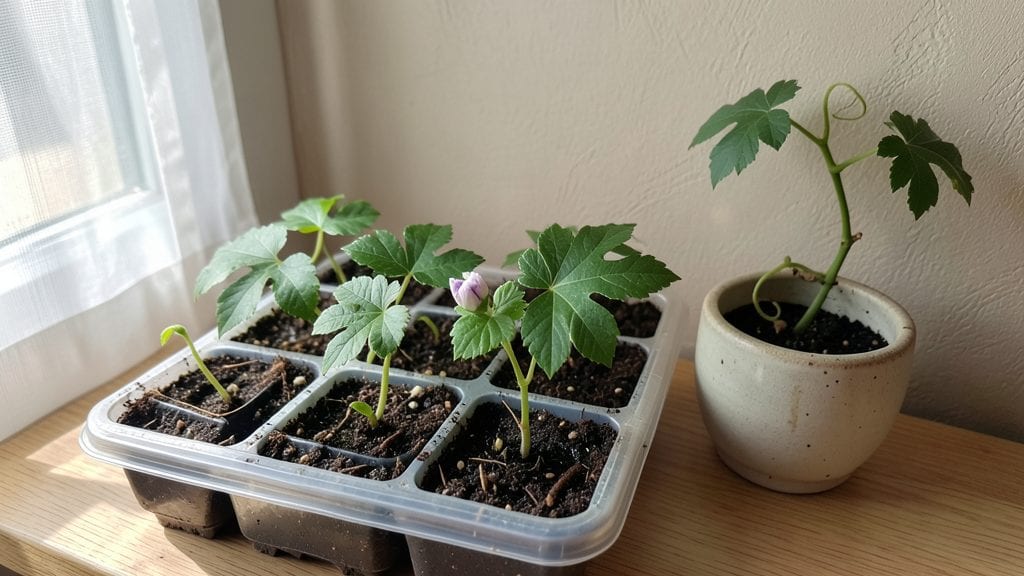
The passion flower germination process can drag on for months—but a simple soaking trick slashes waiting time from 60 days to just 2 weeks. 🌱 I’ve struggled with this myself—until I discovered the foolproof method. The secret isn’t complicated, but it’s easy to overlook.
You’ll need a bowl of warm water, a paper towel, and a little patience. Soak the seeds overnight, then wrap them in the damp towel for 48 hours before planting.
This mimics the natural rainforest conditions they need to wake up. Most people skip this step and wonder why their seeds sit there like sleeping beauties.
Once they’ve sprouted, you’ll see tiny white roots within 3-5 days of planting. Keep the soil warm (around 75°F) and moist but not soggy—think of a wrung-out sponge.
A clear plastic bag over the pot creates the humidity they crave, and you’ll spot those first green shoots in 7-10 days.
This method works for both indoor starts and outdoor plantings, though indoor gives you more control over temperature. The key is consistency—don’t let the soil dry out, and avoid cold drafts. With this trick, you’ll have passion vines thriving in no time, not next spring.
📚 In This Guide
- What you need
- Instructions
- Tips and common mistakes
- Wrapping up and next steps
What you need
- ● Passion flower seeds: Fresh or stored seeds (ensure they’re viable—test with a float test if unsure). Aim for 10–20 seeds for experimentation.
- ● Seed-starting mix: A lightweight, well-draining potting mix (e.g., 50% peat moss or coco coir + 50% perlite or vermiculite). Use 1–2 cups per seed tray or pot.
- ● Containers: Seed trays with drainage holes (for 10+ cells), OR
- ● Small pots (3–4 inches in diameter) with drainage holes.
- ● Plastic wrap or clear lid: To create a humid microclimate (e.g., a plastic dome or zip-top bag).
- ● Spray bottle: With water (for gentle misting).
- ○ Heat mat (optional but recommended): A seedling heat mat set to 75–85°F (24–29°C) to speed up germination.
- ● Grow lights or sunny windowsill: A full-spectrum LED grow light (12–16 hours/day) or a south-facing window for indirect light.
- ○ Thermometer/hygrometer (optional): To monitor temperature (70–85°F / 21–29°C) and humidity (70–80%).
- ○ 🌡️ Pre-soak seeds (optional): Soak seeds in lukewarm water for 24 hours to soften the hard outer shell and boost germination rates.
- ● ✨ Sterilize tools: Clean containers and tools with a 10% bleach solution (1 part bleach to 9 parts water) to prevent mold.
- ● 🔄 Rotate trays: If using a windowsill, rotate containers daily for even light exposure.
Step-by-step instructions for germinating passion flower seeds
Here’s how to coax stubborn passion flower seeds into sprouting faster—no fancy equipment required.
🌱 Step 1: Prepare Seeds with Warm Water Soak
Passion flower seeds have a tough outer shell that slows germination. Start by filling a small bowl with lukewarm water and soaking the seeds for 24 hours. This softens the seed coat and kickstarts the sprouting process. Place the bowl in a warm spot—like near a sunny window or on top of a fridge—to maintain a consistent 75-80°F temperature.
After soaking, gently rub the seeds between your fingers to remove any remaining outer layer. This step ensures moisture can penetrate easily. You’ll know they’re ready when the outer skin feels slightly rougher and the seeds look slightly plump.
💧 Step 2: Plant in Moist, Well-Draining Medium
Fill a small container—like a 4-inch pot—with a mix of 50% peat moss and 50% perlite (or coconut coir if you prefer). This blend ensures good drainage while retaining enough moisture for germination. Moisten the mix until it feels like a damp sponge—squeeze it gently, and it should hold its shape but not drip water.
Plant the seeds ½ inch deep, spacing them about 1 inch apart in the container. Press lightly around each seed to secure it without compacting the soil. Cover the pot with clear plastic wrap or a humidity dome to trap warmth and moisture. Place it in a warm, shaded spot—direct sunlight can dry out the soil too quickly.
☀️ Step 3: Maintain Warmth and Monitor for Sprouts
Passion flower seeds germinate best in warmth and darkness. Keep the container in a spot where the soil stays consistently 75-85°F, such as on top of a refrigerator or near a heat mat. Check the soil daily—it should stay moist but not soggy. If the surface dries out, mist it lightly with water.
Germination can take 14-30 days, depending on temperature and seed freshness. You’ll see the first sign of life when tiny white roots emerge, followed by a small sprout breaking through the soil. Once sprouts appear, remove the plastic wrap immediately to prevent fungal growth.
🌿 Step 4: Provide Light and Gradually Acclimate Seedlings
Move the container to a bright, indirect light spot—like a south-facing window with sheer curtains—to prevent leggy growth. If natural light is weak, supplement with a grow light for 12-14 hours daily. Keep the light 4-6 inches above the seedlings to avoid scorching.
After 2-3 weeks, when seedlings show their first true leaves (not the initial seed leaves), you can gradually introduce them to outdoor conditions. Start by placing them outside in a shaded spot for 1-2 hours daily, then increase exposure over 7-10 days to prepare them for full sun.
Tips & tricks for perfect passion flower germination
Here's what I've learned after helping dozens of gardeners coax these stubborn seeds into sprouting—simple adjustments that make all the difference.
Soaking Secret: The 24-hour lukewarm water soak is your best friend here. I've found that adding 1 teaspoon of hydrogen peroxide (3%) to the soaking water helps prevent mold and softens the seed coat even faster. After soaking, don't rinse the seeds—just gently rub them between your fingers under running water to remove the loosened outer layer. This mechanical action creates microscopic cracks that water can penetrate during germination.
Medium Mix Matters: While the 50/50 peat moss and perlite blend works perfectly, I've had great success with a 60% coconut coir and 40% vermiculite mix for better moisture retention. The key is maintaining that "damp sponge" texture—if your mix feels like a wrung-out washcloth, it's too wet. For the 4-inch pot, I always add a thin layer of small gravel at the bottom to improve drainage without taking up growing space.
Warmth Strategy: Maintaining that 75-85°F range is critical, but don't overlook the importance of consistent darkness during germination. I use a simple cardboard box with a small hole for ventilation to create a dark, warm environment. If your home stays cooler than 75°F, place the container on top of your refrigerator (not inside) or use a seedling heat mat set to 80°F. The slight temperature increase at night actually helps speed up germination.
Light Transition: When you're ready to move seedlings to light after the 14-30 day germination window, start with 4-6 hours of light daily rather than the full 12-14 hours immediately. This gradual introduction prevents shock and encourages stronger stems. I've seen seedlings that got too much light too soon develop weak, elongated stems that flop over—definitely not what we want with passion flowers!
Pro Tips for Passion Flower Germination
- Here's what I've learned after helping dozens of gardeners coax these stubborn seeds into sprouting—simple adjustments that make all the difference.
- Soaking Secret: The 24-hour lukewarm water soak is your best friend here.
- Medium Mix Matters: While the 50/50 peat moss and perlite blend works perfectly, I've had great success with a 60% coconut coir and 40% vermiculite mix for better moisture retention.
Frequently asked questions
Got questions about getting your passion flower seeds to sprout?
You’re not alone! Here are answers to the most common concerns—plus a few pro tips to set you up for success.
How long does it take for passion flower seeds to germinate?
Most passion flower seeds sprout within 2–4 weeks when kept warm (70–85°F) and consistently moist. Some varieties, like Passiflora caerulea, may take up to 6–8 weeks. Patience is key—don’t disturb the soil while waiting!
Can I speed up germination with cold stratification?
Passion flower seeds don’t require cold stratification, but a quick 24–48 hour soak in warm water (or a damp paper towel) can soften tough seed coats. For faster results, try a bottom heat mat (75–80°F) to mimic tropical conditions.
What’s the best soil mix for germinating passion flower seeds?
Use a light, well-draining mix like:
- 50% peat moss or coco coir
- 30% perlite or vermiculite
- 20% sand or orchid bark
Why aren’t my passion flower seeds sprouting? Troubleshooting tips
Check these common issues:
Too cold? Seeds need warmth—move to a sunny windowsill or use a heat mat.
Too dry? Keep soil consistently damp (not soggy). Use a spray bottle to mist.
Old seeds? Passion flower seeds lose viability after 1–2 years. Test freshness by floating them (viable seeds sink).
Fungal issues? If mold appears, repot seeds in fresh, sterile mix and reduce watering.
Can I grow passion flowers from cuttings instead of seeds?
Stem cuttings (4–6 inches long) root faster than seeds. Dip the cut end in rooting hormone, plant in moist perlite/sand mix, and cover with a plastic bag to retain humidity. Roots usually appear in 2–4 weeks.
Wrapping up and next steps
Growing passion flowers from seed is a rewarding journey that combines patience with a little scientific know-how! By following the right steps—soaking seeds, using a warm propagation mat, and maintaining consistent moisture—you’ll unlock faster germination and healthier starts.
Remember, every gardener faces challenges, but with these tips, you’re already ahead of the game. 🌱
Your Next Step:
Ready to turn those sprouts into thriving vines? Once your passion flower seedlings emerge, transplant them into individual pots with well-draining soil and give them plenty of sunlight. Watch them grow—and soon, you’ll be enjoying fragrant blooms and edible fruits! 🌿✨