
Flowers
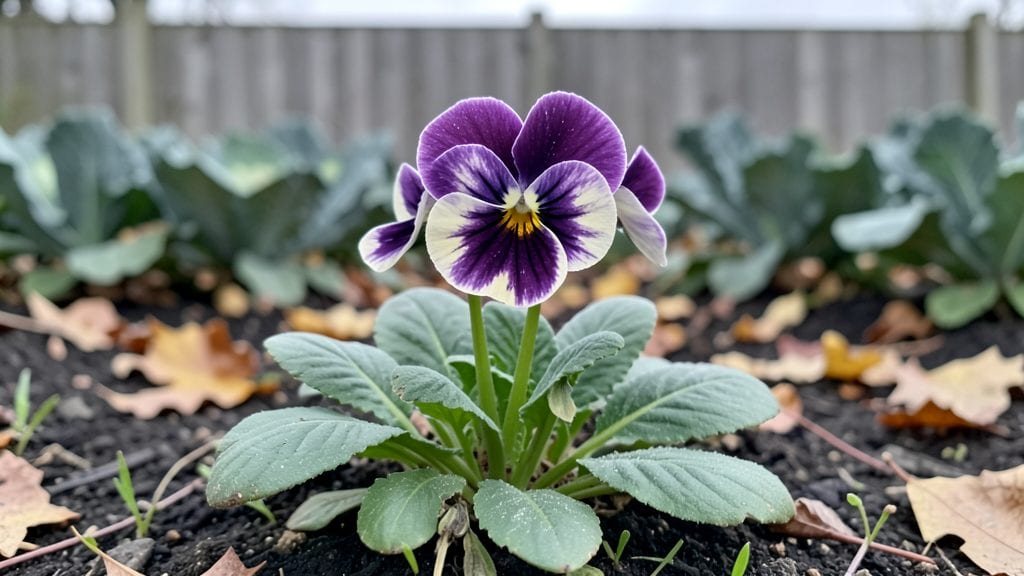
Pansies bring shockingly vibrant color to fall gardens when most flowers have already bowed out. 🌿 I’ve planted them every autumn for years, and they never fail to deliver—cheerful blooms that last until a hard frost, even when temperatures dip into the 30s. The secret lies in their love of cool weather, which makes them the unsung hero of late-season gardens.
You don’t need fancy setups—just well-draining soil, 6-8 hours of sunlight, and a spot that stays relatively sheltered from wind. Pansies thrive in containers or garden beds, and their compact growth means you can tuck them into tight spaces or use them as edging.
The key is planting them 6-8 weeks before your first frost, giving them time to establish roots before winter sets in.
What you’ll get is a garden that stays lively long after summer’s over. Imagine deep purples, sunny yellows, and rich blues holding their own against crisp autumn air, attracting bees and butterflies right up until December.
They even bounce back after light frosts, making them one of the most reliable fall performers around.
Perfect for window boxes, hanging baskets, or mass plantings—they’ll fill gaps left by summer annuals and keep your garden looking intentional until spring. Ready to make your fall garden pop with color that lasts?
📚 In This Guide
- What you need
- Instructions
- Tips and common mistakes
- Wrapping up and next steps
What you need
- ● Pansy seeds or seedlings: Choose cold-hardy varieties like Viola × wittrockiana (e.g., 'Matrix,' 'Sorbet,' or 'Cool Wave'). Buy 50-100 seeds or 6-12 seedlings for a vibrant display.
- ● Well-draining potting mix: 10-20 lbs of high-quality, organic mix (e.g., Miracle-Gro Potting Soil or FoxFarm Ocean Forest).
- ● Containers or garden bed: Containers: 5-10 6-12" pots with drainage holes (terra cotta or plastic).
- ● Garden bed: A 3-4 ft wide × 6 ft long area with 6+ hours of sunlight (partial shade works too!).
- ● Slow-release fertilizer: 1-2 tbsp of 10-10-10 NPK or a rose & flower blend per pot/bed.
- ● Gloves & kneeling pad (for comfort during planting).
- ● Trowel or small hand shovel (for transplanting seedlings).
- ● Watering can or hose with gentle spray nozzle (pansies love moisture but hate soggy roots!).
- ○ Mulch (optional): 2-3 inches of shredded bark or straw to retain moisture and protect roots.
- ○ Stakes or plant markers (optional): If using mixed colors, label varieties to track blooms!
Instructions for planting pansies in fall
Here’s how to get vibrant, long-lasting pansies thriving in your garden before winter.
🌱 Step 1: Choose the Right Spot and Prepare the Soil
Pansies love cool weather but need well-draining soil to avoid root rot. Pick a spot that gets 4-6 hours of sunlight daily—they’ll tolerate morning sun and afternoon shade in hotter climates. Work in 2-3 inches of compost into the top 6 inches of soil to improve fertility and drainage.
Loosen the soil with a garden fork to break up compaction, especially if your yard has heavy clay. You’ll know it’s ready when it crumbles easily between your fingers. Avoid freshly tilled soil—wait until it’s settled for a week to prevent transplant shock.
🪴 Step 2: Plant Pansy Starts at the Correct Depth
Dig holes twice as wide as the pansy root ball but only as deep as the container they came in. Gently remove each plant from its pot, tease the roots apart if they’re circling, and place it in the hole. Fill around the base with soil, pressing lightly to eliminate air pockets.
Space plants 8-12 inches apart—closer spacing works for edging, while wider gaps give them room to spread. Water deeply right after planting to help roots settle. If planting in containers, use 1 gallon of potting mix per plant and ensure pots have drainage holes.
💧 Step 3: Water and Mulch for Fall Success
Keep the soil consistently moist but not soggy for the first 2 weeks. Water at the base rather than overhead to prevent fungal diseases like powdery mildew. You’ll know you’re doing it right when the top inch of soil feels damp but not wet.
Spread 1-2 inches of mulch around each plant, leaving a 1-inch gap around the stems to prevent rot. Use shredded leaves, straw, or pine needles—just avoid thick layers that suffocate roots. Mulch insulates soil, protecting pansies from temperature swings and keeping moisture levels steady.
☀️ Step 4: Maintain Through Fall and Early Winter
Fertilize lightly with a balanced 10-10-10 formula every 4-6 weeks to encourage blooms. Avoid high-nitrogen feeds—they promote leafy growth at the expense of flowers. Deadhead spent blooms regularly to prompt new flowers and extend the season.
Watch for aphids or slugs, which love tender pansy leaves. Handpick slugs at night or use beer traps, and blast aphids off with a strong spray of water. If frost threatens, cover plants with frost cloth for 30-60 minutes to protect them—pansies can handle light frosts but not deep freezes.
⏰ Step 5: Plan for Next Season’s Blooms
By late winter, pansies may look tired but often regrow in spring. Cut back faded stems to 1 inch above the soil and fertilize again in early spring to jumpstart new growth. If they’ve outgrown their spot, divide clumps in early spring for fresh plants.
Save seeds from your best blooms by letting a few flowers go to seed. Collect dry seed pods, store them in a paper bag, and sow them in fall for next year’s garden. Pansies self-seed easily, so you’ll likely have volunteers popping up where you least expect them!
Tips & tricks for perfect pansy fall flowers
A few simple tricks will help your pansies thrive all season long—from planting to winter protection.
Soil Prep Secret: Before planting, mix in a handful of perlite or coarse sand into your compost-amended soil if you have heavy clay. This improves drainage without sacrificing moisture retention—critical for preventing root rot in pansies. I learned this the hard way after losing half my plants to soggy soil last fall.
Root Care Technique: When teasing apart circling roots in Step 2, focus on the outer edges rather than forcing the center. Gently pull apart only what separates easily—pansies have delicate roots that bruise quickly. Think of it like combing hair rather than yanking knots.
Watering Wisdom: The first 2 weeks are crucial for root establishment. Instead of watering daily, I use a moisture meter to check soil dampness—aim for consistently moist but never waterlogged. Early morning watering prevents fungal issues and gives foliage time to dry before evening dew forms.
Frost Protection Hack: For those 30-60 minutes of frost cloth coverage, place it before sunset the night before frost is expected. This creates a microclimate that traps warmth. I also tuck a few extra plants under the cloth as a buffer zone—they'll thank you with fewer frostburned leaves.
Pro Tips for Pansy Fall Flowers
- A few simple tricks will help your pansies thrive all season long—from planting to winter protection.
- Soil Prep Secret: Before planting, mix in a handful of perlite or coarse sand into your compost-amended soil if you have heavy clay.
- Root Care Technique: When teasing apart circling roots in Step 2, focus on the outer edges rather than forcing the center.
Frequently asked questions
Got questions about growing pansies in fall? You’re not alone!
Here are answers to the most common queries to help you cultivate stunning late-season blooms with ease.
When is the best time to plant pansies for fall blooms?
Plant pansies 4–6 weeks before your first fall frost—typically late summer to early fall (August–September in most zones). This gives roots time to establish before cooler weather arrives. Check your local frost dates for precision!
Can pansies survive winter, or should I remove them?
Most pansies are hardy to USDA zones 4–11 and tolerate light frost, but heavy snow or freezing temps may damage them. In mild climates, they’ll often rebloom in spring. In colder areas, mulch heavily or remove spent plants to protect garden beds.
Why aren’t my pansies flowering as much in fall?
Pansies need cool (50–75°F) but not freezing temps to bloom best. Overcrowding, poor soil, or too much nitrogen (from fertilizer) can also reduce flowers. Try deadheading spent blooms and ensuring they get 6+ hours of sunlight daily.
What’s a good alternative if pansies don’t thrive in my climate?
Try violas (pansy cousins) or cold-hardy flowers like calendula, snapdragons, or ornamental kale. These also love fall’s chill and add vibrant color. Violas, in particular, often outperform pansies in heat or humidity.
How do I protect pansies from pests like slugs or aphids?
Slugs and aphids adore pansies! Use organic slug bait (iron phosphate), diatomaceous earth, or beer traps. For aphids, spray with soapy water or introduce ladybugs. Neem oil can also deter pests naturally.
Still stumped? Drop your question in the comments—we’re happy to help your pansies shine!
Wrapping up and next steps
Pansies are the perfect late-season stars—adding vibrant color and charm to your garden as temperatures dip. Their hardy nature and versatility make them a must-have for fall blooms, whether you’re a seasoned gardener or just starting out. 🌸
Ready to bring some autumn magic to your space? Start small—plant a few pansies in pots or garden beds this weekend—and watch your yard transform! Need more inspiration? Browse our fall gardening guide for even more cool-weather blooms.