
Flowers
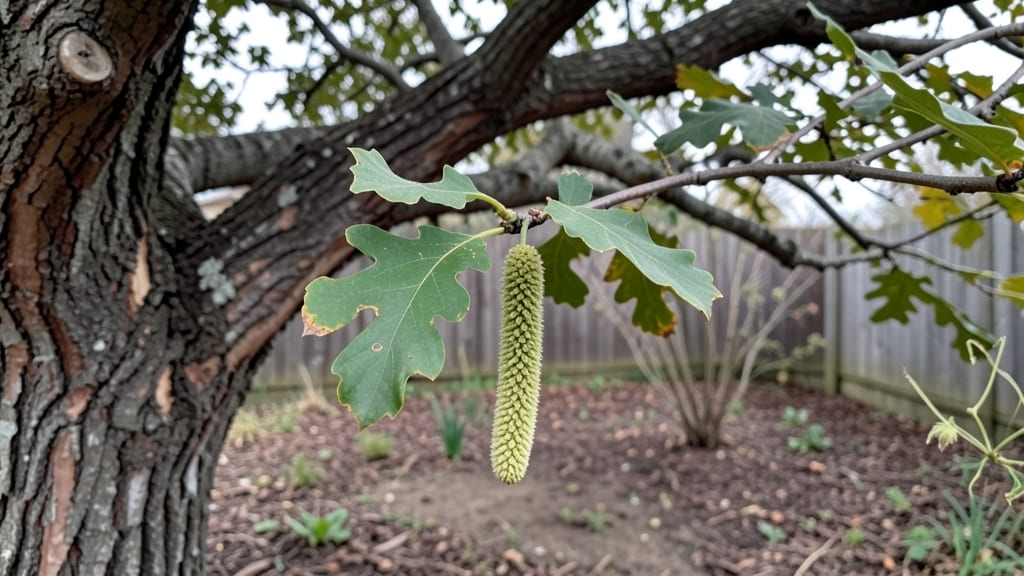
Oak female flowers—those fuzzy, fragrant catkins—are the secret to your tree's future acorn harvest. 🌿 I’ve spent years watching oaks, and the key to encouraging them lies in understanding their growth cycle and giving them the right conditions.
These delicate blooms appear before leaves in early spring, and their health determines whether your tree will produce acorns later in the year.
The best way to support them is by pruning in late winter or early spring, before new growth starts. Remove dead or crossing branches to improve airflow and sunlight, which helps the flowers develop stronger.
A mature oak can produce hundreds of catkins, but only a fraction will turn into acorns—so healthy growth matters more than you’d think.
You’ll know you’re doing it right when you see a fresh flush of bright green leaves and those telltale fuzzy catkins in spring. The flowers may not look like much, but they’re the foundation of your oak’s future.
With the right care, your tree will reward you with a steady supply of acorns—and maybe even a few fragrant blooms that linger in the breeze.
Works for red, white, and pin oaks alike, though timing and pruning intensity vary slightly by species. Let’s get your oak thriving!
📚 In This Guide
- What you need
- Instructions
- Tips and common mistakes
- Wrapping up and next steps
What you need
- ● Healthy oak tree(s): 1–3 mature oak trees (preferably Quercus robur or Quercus alba for optimal female catkin production).
- ● Age: 10+ years old (younger trees may not flower reliably).
- ● Pruning tools: 1 pair of bypass pruners (for cuts ≤ ½ inch thick).
- ● 1 pruning saw (for thicker branches, ½–1 inch diameter).
- ● 1 sterilizing solution (70% isopropyl alcohol or bleach-water mix to prevent disease).
- ● Safety gear: 1 pair of gloves (cut-resistant for handling thorns/branches).
- ● 1 safety goggles (to shield from debris).
- ● Tree wound dressing: (e.g., Tanglefoot Tree Wound Pruning Sealant for large cuts—controversial but some swear by it).
- ● Ladder or stump: (for high branches; ensure it’s stable!).
- ● Notebook & pencil: (to map out pruning cuts before you start).
- ● Tree growth regulator: (e.g., BioNeem or Seaweed Extract to encourage healthier regrowth).
- ● Camera: (to document progress—because oak trees are slow growers!).
- ● Timing: Prune in late winter or early spring (before buds swell) or summer (after flowering).
- ● Weather: Choose a dry, calm day (rain can spread disease).
- ● Knowledge: Familiarize yourself with oak tree anatomy (e.g., water sprouts, deadwood, suckers).
- ● Local regulations: Check if your area requires permits for tree pruning (especially for large oaks!).
Step-by-Step pruning guide for oak trees to encourage female flowers
Here’s how to shape your oak tree for fragrant blooms—no fancy tools needed.
🌿 Step 1: Identify and Locate Female Flower Clusters
Oak female flowers appear as small, fuzzy catkins in early spring. Look for clusters near last year’s growth or along branches with thick buds. These flowers develop into acorns, so healthy clusters mean stronger blooms. I always start by scanning the tree’s outer canopy first—those branches get the most sunlight and air circulation.
Grab a small hand lens (if you have one) to spot tiny flower buds hidden among the leaves. Female flowers are often found on younger wood, so focus on branches that grew in the past 2-3 years. Mark these areas with a piece of twine or a spray paint dot to avoid accidentally pruning them off later.
✂️ Step 2: Prune for Airflow and Sunlight
Use sharp bypass pruners to remove any crossing or inward-growing branches first. These compete for sunlight and nutrients, which weakens the tree’s ability to produce flowers. Cut just outside the branch collar—the swollen area where the branch meets the trunk—to prevent damage. I make sure to sterilize my pruners with rubbing alcohol between cuts to avoid spreading disease.
Next, thin out dense areas in the canopy by removing about 10% of the foliage. This opens up the tree so sunlight reaches the inner branches where female flowers often form. Avoid heavy pruning in late summer or fall—oak trees are sensitive to stress at those times. Focus on shaping the tree in late winter or early spring, just before new growth begins.
☀️ Step 3: Encourage New Growth for Next Year’s Blooms
After pruning, apply a balanced fertilizer (like 10-10-10) around the tree’s drip line—about 6 inches from the trunk. This feeds the roots and encourages vigorous new growth, which is where next year’s female flowers will develop. Water deeply right after fertilizing to help the nutrients soak into the soil.
Keep the pruned area clean by removing all debris from the ground. This prevents fungal growth and pests that can stress the tree. Mulch lightly around the base with 2-3 inches of organic material (like wood chips) to retain moisture and regulate soil temperature. Avoid piling mulch against the trunk—leave a 2-inch gap to prevent rot.
🌱 Step 4: Monitor and Adjust for Year-Round Blooms
Check the tree every few weeks for new flower clusters. If you notice weak growth or sparse blooms, it might need more sunlight or nutrients. Adjust pruning in future years to open up more of the canopy. I’ve found that oaks respond well to gradual shaping—never remove more than 25% of the canopy in a single season.
In late fall, do a light cleanup prune to remove any dead or diseased branches. This keeps the tree healthy and ready for another round of blooms in spring. The key is patience—oak trees grow slowly, but with consistent care, you’ll see more fragrant flowers each year. Keep a journal to track which pruning methods work best for your specific oak variety.
Tips & tricks for perfect oak tree pruning to encourage female flowers
Here's what I've learned after years of shaping oak trees for those coveted fragrant blooms—details that make all the difference.
Timing is Everything: Early spring is your golden window for pruning oak trees to encourage female flowers. That's when those fuzzy catkins first appear, and you want to work before new growth begins. I've seen trees bloom more abundantly when pruned in late February or March, just as buds start swelling. Avoid pruning in late summer or fall when oaks are already stressed from seasonal changes.
Branch Selection Strategy: Focus on branches that grew in the past 2-3 years—they're prime spots for female flowers. These younger branches have the energy to produce blooms while older wood tends to focus on structural growth. When you're marking those flower clusters in Step 1, look for branches that are slightly thicker than pencil-sized—they're often the most productive. Remember, you're not just pruning for shape, you're creating an environment where flowers can thrive.
Pruning Technique Pro: The 10% thinning rule in Step 2 isn't arbitrary—it's about balance. Removing too much foliage stresses the tree, while removing too little doesn't improve airflow. I like to visualize opening up the tree like an umbrella, letting sunlight penetrate to the inner branches where those hidden flower buds often reside. And always cut just outside the branch collar—this healing response helps prevent disease entry points. Sterilizing your tools between cuts is non-negotiable for oak trees.
Seasonal Care Calendar: Create a simple seasonal checklist: Late winter/early spring for main pruning, summer for light maintenance, and fall for cleanup. That 6-inch fertilizer application in Step 3 should happen right after pruning when roots are actively absorbing nutrients. I've found that oaks respond best to consistent care rather than sporadic attention. The 2-3 inch mulch layer is crucial—it's like putting on a cozy blanket for your tree's roots during winter months.
Pro Tips for Oak Female Flower
- Here's what I've learned after years of shaping oak trees for those coveted fragrant blooms—details that make all the difference.
- Timing is Everything: Early spring is your golden window for pruning oak trees to encourage female flowers.
- Branch Selection Strategy: Focus on branches that grew in the past 2-3 years—they're prime spots for female flowers.
Frequently asked questions
Got questions about nurturing the oak female flower (often the catkins of oak trees like Quercus robur or Quercus alba)? Here’s a quick guide to clear up common curiosities—from timing to troubleshooting—so you can keep those fragrant blooms thriving!
When do oak female flowers appear, and how long do they bloom?
Oak female flowers (those fuzzy, feathery catkins) typically emerge in early spring (March–April), just as male flowers release pollen. They bloom for 2–4 weeks, depending on the species and climate. Southern red oaks often bloom later than white oaks. Patience pays off—wait until the catkins turn brown before pruning to avoid cutting off potential blooms!
Why aren’t my oak flowers blooming this year?
Several factors can delay blooms: stress (drought, poor soil, or pests like oak wilt), age (young trees <10 years may not bloom), or pruning mistakes (cutting back too late in the season). Check for yellowing leaves or sawdust-like frass (signs of borers). Boost health with well-draining soil and balanced fertilizer (low nitrogen) in early spring.
Can I prune oak trees when female flowers are present?
Yes, but timing is key! Prune late winter to early spring (before buds swell) to avoid removing next year’s flowers. If you must prune later, focus on dead or diseased branches—never cut more than 25% of the canopy at once. Pro tip: Sterilize tools with rubbing alcohol to prevent spreading oak wilt!
Are there alternative flowers for fragrance if my oak isn’t blooming?
If your oak’s flowers are sparse, try these fragrant, low-maintenance alternatives:
- Fothergilla (Fothergilla gardenii): White spring blooms with a sweet scent.
- Witch hazel (Hamamelis): Late-winter yellow/gold flowers.
- Fraxinus (ornamental ash): Airy catkins in spring.
- Magnolia: Early blooms with intense fragrance.
Do oak female flowers attract pollinators like bees or butterflies?
While oak female flowers (catkins) aren’t a primary food source for bees, they do support early-season pollinators like syrphid flies and small bees. The male flowers’ pollen is more critical for bees. Plant native companions like serviceberry or spicebush nearby to boost pollinator diversity!
Wrapping up and next steps
Growing the oak female flower—with its delicate, fragrant blooms—is a rewarding journey that blends patience, care, and a touch of creativity! 🌿 Whether you’re pruning for lush foliage or coaxing year-round blossoms, the key lies in understanding its natural rhythm and adapting techniques to your climate.
Now that you’re armed with materials, timing, and troubleshooting tips, it’s time to roll up your sleeves and get hands-on.
Start small: pick one or two plants to experiment with pruning styles, then expand your garden as confidence grows. Keep a journal to track what works best—your oak female flowers will thank you with vibrant, fragrant blooms that turn heads (and fill your space with sweet aromas)! 🌸
Next step: Schedule your first pruning session this season and share your progress—we’d love to see (and smell!) your success!