
Flowers
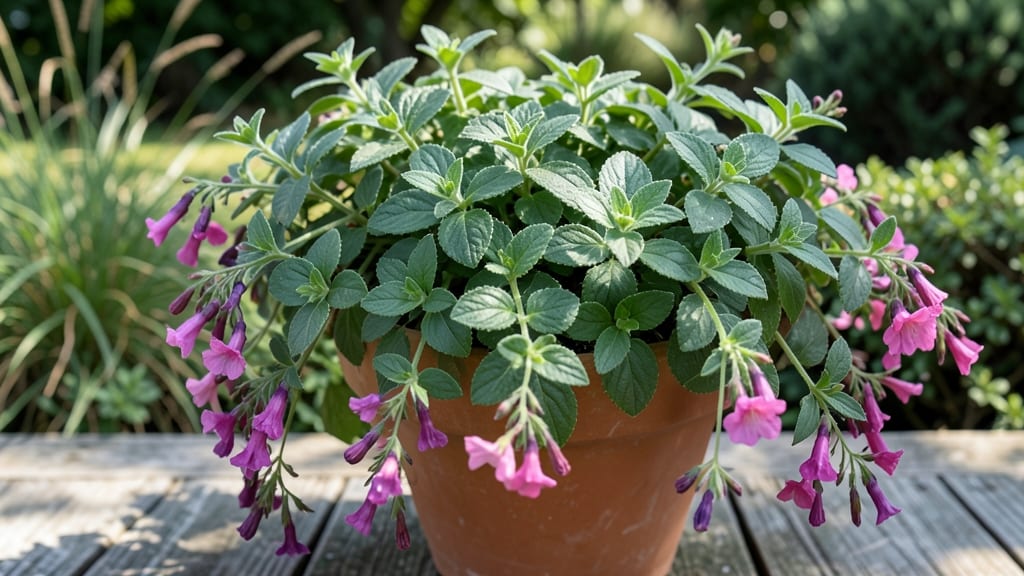
Growing million bell flowers transforms your garden into a cascading sea of tiny, fragrant blooms that never quit. 🌟 I’ve watched these compact perennials spread effortlessly, doubling their coverage every year without any extra work—just sunlight, good soil, and a little patience.
The secret lies in their love of warmth and well-draining soil, which most gardeners overlook until their plants struggle.
These flowers thrive in full sun to partial shade, making them perfect for containers, hanging baskets, or sunny garden edges. They’re drought-tolerant once established but reward consistent moisture with nonstop blooms from spring until frost.
The key is keeping them in soil that drains fast—too much moisture rots their delicate roots, and that’s when problems start.
By mid-summer, you’ll have a lush, spilling mass of bell-shaped flowers in shades of pink, purple, or white, each one packed with a sweet, honey-like fragrance. Prune back leggy stems in early spring to encourage bushier growth, and watch them bounce back with even more vigor.
The best part? They self-seed like crazy, giving you free plants for years to come.
Works in zones 9-11 as perennials, but in colder areas, treat them as annuals—they’ll still give you a spectacular show before winter. Here’s how to keep them thriving all season long.
📚 In This Guide
- What you need
- Instructions
- Tips and common mistakes
- Wrapping up and next steps
What you need
- ● Million Bell Flower Seeds or Plants: Seeds: 10–20 seeds (start indoors 8–10 weeks before last frost) 🌱
- ● Young plants: 3–5 nursery-grown plants (transplant after frost danger passes) 🌿
- ● Growing Containers or Garden Beds: Containers: 6–12" pots (with drainage holes) or hanging baskets (minimum 12" diameter) 🏺
- ● Garden beds: Full sun (6+ hours/day) with well-draining soil 🌞
- ● Potting Mix: High-quality, well-draining mix (add perlite or sand for extra aeration) 🏗️
- ● Fertilizer: Balanced, water-soluble fertilizer (10-10-10 or 20-20-20) for blooms 🌸
- ● Tools: Trowel or small hand shovel for transplanting 🔨
- ● Pruning shears (for deadheading) ✂️
- ● Spray bottle (for misting seedlings) 💦
- ● Mulch (to retain moisture and suppress weeds) 🌿
- ● Slow-release fertilizer granules (mix into soil at planting) ⏳
- ● Garden gloves (to protect hands from prickly stems) 🧤
- ● Grow lights (if starting seeds indoors early) 💡
- ● Self-watering system (for consistent moisture in containers) 💧
Step-by-Step instructions for growing million bell flowers
Here's how to cultivate these fragrant perennials that spread beautifully and reward you with years of blooms.
🌱 Step 1: Choose the Perfect Planting Location
Million bell flowers thrive in partial shade to full sun, making them versatile for gardens with varying light conditions. I always look for spots with at least 4 hours of morning sun—this prevents scorching in hot afternoons. They tolerate a range of soil types but prefer well-draining soil with a slightly acidic to neutral pH.
If your soil is heavy clay, mix in 2-3 inches of compost before planting to improve drainage and fertility. These plants spread aggressively, so give them space—plant 12-18 inches apart in rows or clusters. I like to place them near pathways where their fragrance can be enjoyed up close.
🌿 Step 2: Plant Bare-Root or Container-Grown Plants
For bare-root plants, soak the roots in lukewarm water for 30 minutes before planting to revive them. Dig a hole twice as wide as the root ball but only as deep as the plant's root system. This prevents burying the crown too deeply, which can cause rot.
Gently place the plant in the hole and backfill with soil, pressing lightly to remove air pockets. Water deeply right after planting to settle the soil and eliminate gaps. If planting container-grown plants, remove them carefully from the pot and tease apart any circling roots before placing them in the hole.
💧 Step 3: Water and Mulch for Healthy Growth
Water newly planted million bell flowers once a week for the first month, ensuring the soil stays evenly moist but not soggy. You'll know it's right when the top inch of soil feels damp to the touch. After the first month, reduce watering to every 10-14 days, as these plants are drought-tolerant once established.
Apply a 2-inch layer of mulch around the base of the plants, keeping it 3 inches away from the stems to prevent rot. Mulch helps retain moisture, suppress weeds, and regulate soil temperature. I use shredded bark or straw—both work well and break down slowly.
✂️ Step 4: Prune and Maintain for Abundant Blooms
Deadhead spent flowers regularly to encourage continuous blooming. Pinch off faded blooms with your fingers or clean pruners, cutting just above a set of leaves. This redirects the plant's energy toward producing new flowers instead of seed pods.
In early spring, trim back any leggy or overgrown stems by one-third to promote bushier growth. Million bell flowers spread rapidly, so divide clumps every 3-4 years in early spring or fall to maintain vigor. Dig up the plant, separate the roots, and replant the healthiest sections.
☀️ Step 5: Fertilize and Protect for Long-Term Success
Apply a balanced, slow-release fertilizer in early spring, following the package instructions. I prefer organic options like compost or fish emulsion, which provide nutrients without risking chemical burns. Avoid over-fertilizing—these plants prefer lean soil and can become leggy if overfed.
Watch for common pests like aphids or Japanese beetles, which may target the fragrant foliage. If you spot them, spray plants with a soapy water solution (1 tablespoon mild dish soap per gallon of water) or use neem oil for organic control. With proper care, million bell flowers will reward you with fragrant blooms for years.
Tips & tricks for perfect million bell flowers
A few simple strategies will help you cultivate fragrant, thriving million bell flowers that spread beautifully and reward you with years of blooms.
Location is Everything: In Step 1, when choosing your planting spot, focus on that 4 hours of morning sun—it's the golden rule for preventing scorched leaves while still giving them enough light to thrive. I've found that eastern-facing garden beds or areas near morning sunlit fences work perfectly. If you're unsure about your space, test it first: place a white plate in the sunniest spot for a week and track how many hours it gets direct sunlight.
Root Revival Secret: That 30-minute soak for bare-root plants in Step 2 isn't just about hydration—it's about waking up dormant roots. Use lukewarm water (not hot) and add a few drops of seaweed extract to encourage root growth. After soaking, gently shake off excess water before planting to prevent waterlogged roots that can lead to rot.
Mulching Mastery: When applying that 2-inch layer of mulch in Step 3, keep it 3 inches away from stems to prevent moisture buildup that causes rot. I like to create a donut-shaped mulch ring around each plant. For extra fragrance, sprinkle a light layer of crushed lavender stems into the mulch—it deters pests while adding to the garden's sensory experience.
Pruning Pro Tip: In Step 4, when deadheading, don't just cut off the spent blooms—look for the first set of leaves below the flower and cut just above it. This encourages bushier growth and more blooms. For the one-third trim in early spring, use clean, sharp pruners and make cuts at a 45-degree angle to prevent water from pooling on the stem.
Pro Tips for Million Bell Flowers
- A few simple strategies will help you cultivate fragrant, thriving million bell flowers that spread beautifully and reward you with years of blooms.
- Location is Everything: In Step 1, when choosing your planting spot, focus on that 4 hours of morning sun—it's the golden rule for preventing scorched leaves while still giving them enough light to thrive.
- Root Revival Secret: That 30-minute soak for bare-root plants in Step 2 isn't just about hydration—it's about waking up dormant roots.
Frequently asked questions
Got questions about growing million bell flowers?
Here are answers to the most common ones to help you cultivate these fragrant perennials with ease!
How fast do million bell flowers spread in a garden?
Million bell flowers (Centranthus ruber) are aggressive spreaders! With their self-seeding nature and creeping roots, they can quickly fill a 3-foot-wide patch in one growing season. To control their spread, divide clumps every 2–3 years or plant in containers with drainage holes. Pro tip: Deadhead spent blooms to redirect energy into root growth!
When is the best time to plant million bell flowers?
Plant them in early spring or fall for optimal root establishment. Avoid summer heatwaves, which can stress young plants. If transplanting mature clumps, do it in cool, moist weather (like spring) to minimize shock. For containers, plant anytime—just keep soil consistently moist until established. Troubleshooting: If planted in late summer, mulch heavily to retain moisture.
Can million bell flowers grow in containers or hanging baskets?
These flowers thrive in containers 12+ inches deep with well-draining soil. Use hanging baskets for cascading blooms, but ensure they get at least 6 hours of sunlight daily. Repot every 2–3 years to refresh soil nutrients. Alternative: Mix with thyme or lavender for a fragrant combo!
Are million bell flowers deer- or rabbit-resistant?
While they’re not fully deer-proof, their strong scent and fuzzy leaves often deter browsers. For extra protection, plant near deer-resistant companions like lamb’s ear or Russian sage. If rabbits are a threat, use chicken wire cages until plants establish (about 6–8 weeks). Warning: Young seedlings are most vulnerable—keep them guarded early on!
Why aren’t my million bell flowers blooming?
Lack of blooms usually means too much shade, over-fertilizing (especially with nitrogen), or root-bound plants. Ensure they get full sun to partial shade and prune spent flowers regularly. If grown in containers, divide overcrowded roots in spring. Quick fix: A light trim after flowering encourages a second bloom cycle!
Wrapping up and next steps
Growing million bell flowers is a rewarding journey that brings fragrant beauty to your garden year after year! These hardy perennials thrive with minimal effort, offering vibrant blooms and easy propagation—perfect for both beginners and seasoned gardeners. 🌸
Now that you’re armed with the right tools, tips, and troubleshooting tricks, it’s time to roll up your sleeves and plant your first seeds or divide existing clumps.
Watch as your garden transforms into a fragrant oasis, and don’t forget to share your progress with fellow plant lovers. Happy gardening!
Next step: Mark your calendar for planting season and start your million bell flower adventure today! 🌱✨