
Flowers
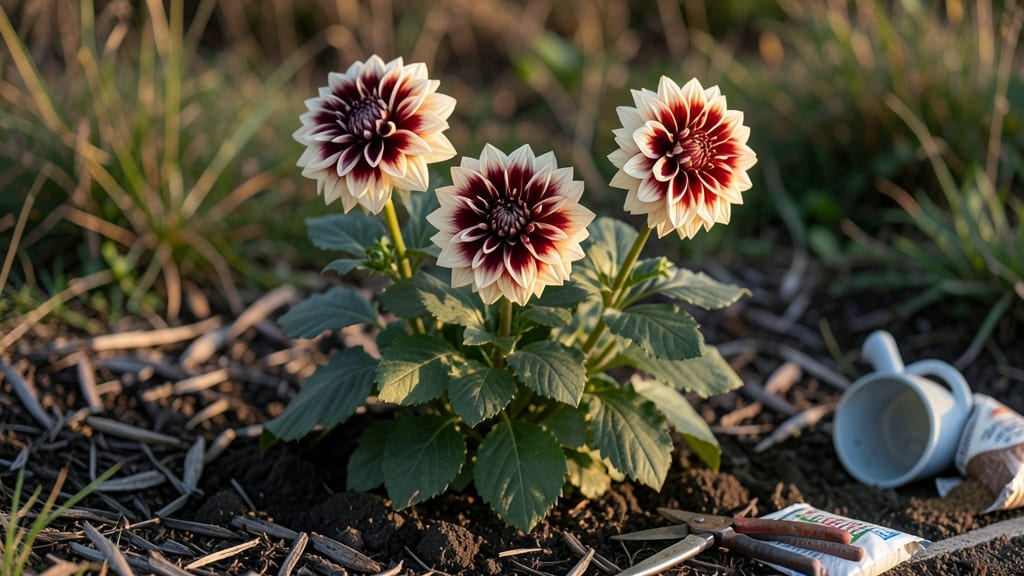
Mexican flowers pictures reveal breathtaking varieties like the Datura (sacred flower), Bougainvillea (thorny vine), and Mexican Sunflower (Tithonia), each packed with vibrant hues and deep cultural meaning. These plants flourish in warm regions and demand well-drained soil to reach their full potential.
Mexican flora isn't just visually striking—it's deeply tied to traditions and ecosystems. The Datura, for example, appears in Aztec rituals, while Cempasúchil (marigolds) symbolize guidance for spirits during Día de los Muertos. 🌺 These plants often thrive in arid climates, with some like Bougainvillea developing thick, drought-resistant leaves.
Their bold colors aren't just for show—they're adaptations to Mexico's intense sunlight and varied elevations, from coastal plains to highland gardens.
What's fascinating is how their growth habits reflect local conditions. Mexican Sunflowers (Tithonia) can grow up to 6 feet tall in just 3 months, while Bougainvillea vines need sturdy trellises to support their sprawling branches.
Many of these species also attract pollinators, making them excellent choices for eco-friendly gardens. The key to growing them successfully? Mimicking their native environment—think 6+ hours of sunlight daily and soil that drains quickly to prevent root rot.
💡 In This Article
- Identifying Iconic Mexican Flowers by Color and Symbolism
- How to Grow Mexican Flowers in Home Gardens
Identifying iconic Mexican flowers by color and symbolism
The vibrant hues of Mexican flora aren't random—they're deeply connected to cultural traditions and ecological adaptations. Take Cempasúchil (marigolds), whose fiery orange and yellow petals symbolize the sun's life-giving energy in Día de los Muertos celebrations.
These flowers contain lutein and zeaxanthin pigments that reflect sunlight intensely, making them stand out against Mexico's arid landscapes where water conservation is critical. Their bright colors also attract pollinators like monarch butterflies, creating a vital ecological link between plants and wildlife.
The Mexican Sunflower (Tithonia) showcases how color adapts to survival needs—its deep red and orange blooms contain anthocyanins, antioxidants that protect leaves from UV damage in high-altitude regions where sunlight is more intense.
These flowers can grow 6-10 feet tall in just 90 days, with petals that open fully only in direct sunlight, a perfect adaptation to Mexico's 2,000-8,000 foot elevation zones.
The Bougainvillea, with its papery purple bracts, demonstrates another survival strategy—its waxy leaves reduce water loss, while the bracts' vivid colors attract hummingbirds that pollinate while feeding on nectar.
Color symbolism runs deep in Mexican culture. The Datura, with its white trumpet-shaped flowers, was used in Aztec religious ceremonies due to its hallucinogenic properties—its tropane alkaloids create vivid visions when consumed.
Meanwhile, the Rose of Sharon (Hibiscus) represents love and resilience, with petals that can reach 6 inches wide and thrive in pH 6.1-7.5 soil, common in Mexico's volcanic regions. The contrast between these flowers' meanings reveals how color isn't just aesthetic—it's a language of cultural values and environmental adaptation.
Botanical traits further explain these flowers' significance.
The Cempasúchil's 5-petal structure mirrors the Aztec cosmology of the five directions, while its strong scent helps guide spirits during festivals. Bougainvillea's thorny stems protect against herbivores in its native tropical dry forests, while its epiphytic growth habit allows it to climb trees and access sunlight in dense canopies.
These physical adaptations directly relate to their cultural roles—durability and resilience mirror the values they represent.
Soil types play a crucial role in these flowers' growth and color intensity. The calcareous soils common in Mexico's central plateau provide the ideal pH 7.0-8.5 for Bougainvillea and Datura, while the volcanic soils of Oaxaca enhance the Cempasúchil's vibrant hues through higher mineral content.
Understanding these relationships helps explain why Mexican flowers often appear more vivid in their native environments than when grown elsewhere—it's not just about sunlight, but the complete ecological package of soil, water, and climate working together.
What's particularly fascinating is how these flowers' growth habits reflect their cultural uses. The Mexican Sunflower's rapid growth (1-2 feet per month) makes it perfect for temporary decorations, while Bougainvillea's long flowering season (8-10 months) aligns with Mexico's warm climate.
These botanical characteristics aren't coincidental—they're co-evolved with human traditions, creating a perfect marriage between nature and culture that makes Mexican flora so uniquely expressive.